Nablus, the historical city bearing the traces of the Ottoman Empire in Palestine…
Nablus, whose history dates back to Abraham’s arrival in the land of Canaan, is one of the best addresses to visit for travelers who want to look at history from a religious perspective
For those who want to explore the West Bank more extensively and travel from the past to the present through Ottoman architecture, this city has many tourist attractions to offer.
Muslim Arabs make up a large part of the population. However, there are also Christians and Samaritans living in a small community in the city.
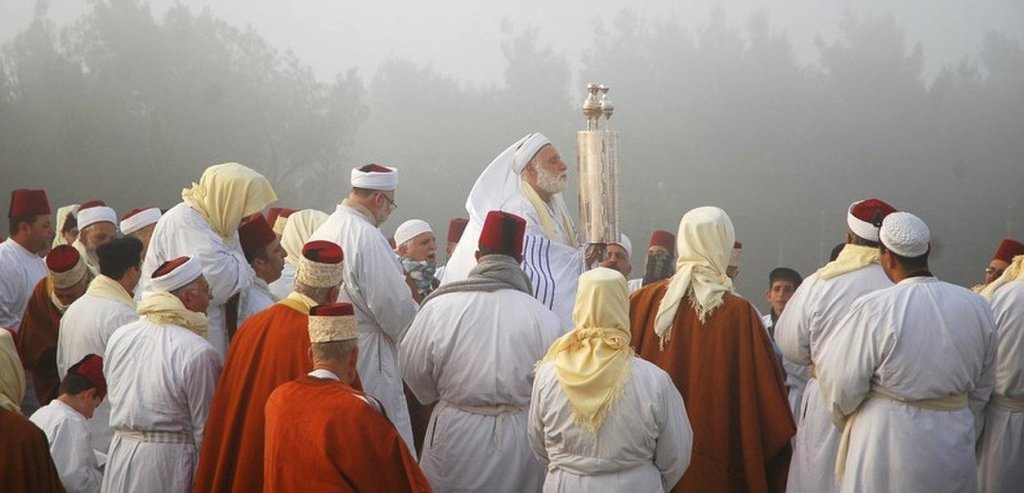
They accept the true Torah, which has not been changed in any way, as the holy book. It is also said that one of the 7 people who hide the original Torah is the Samaritan leader. They adopt Old Hebrew as their language. Their population is only about 800 in the world. For this reason; this community resists not being assimilated. They marry among themselves and raise their children according to Samaritan traditions.
Located in the northern part of Nablus, on the top of Mount Gerizm, 880 meters above sea level, this community has a special interest in Nablus. According to the Samaritans, Moses points to Mount Gerizim as the holy land to the Israelites. For this reason; Samaritans never leave this mountain. There are two places they live in the world, one is Mount Gerizm and the other is Israel’s Holon City.
The world’s smallest and strangest religious community, the Samaritans has a religion between Islam and Judaism. In addition to the way of their pray and some religious traditions like sacrificing, their clothes are also similar to Muslims.
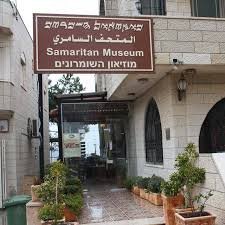
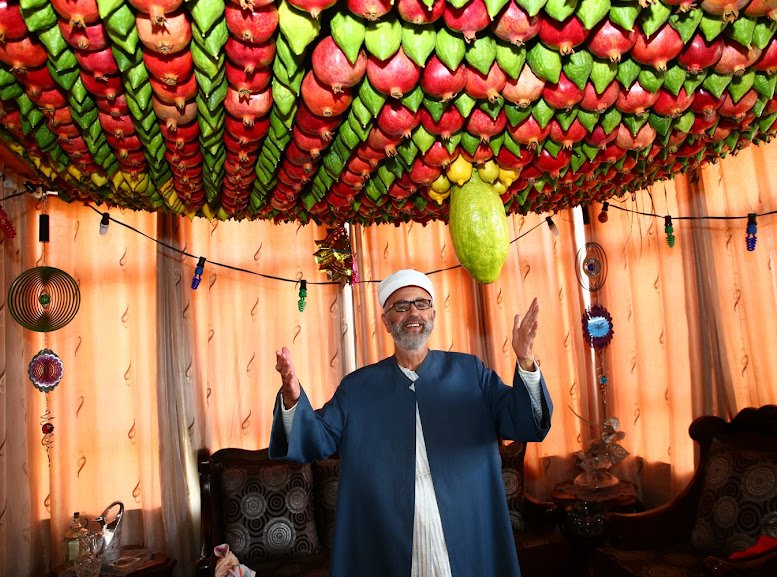
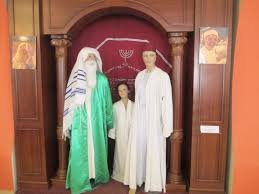
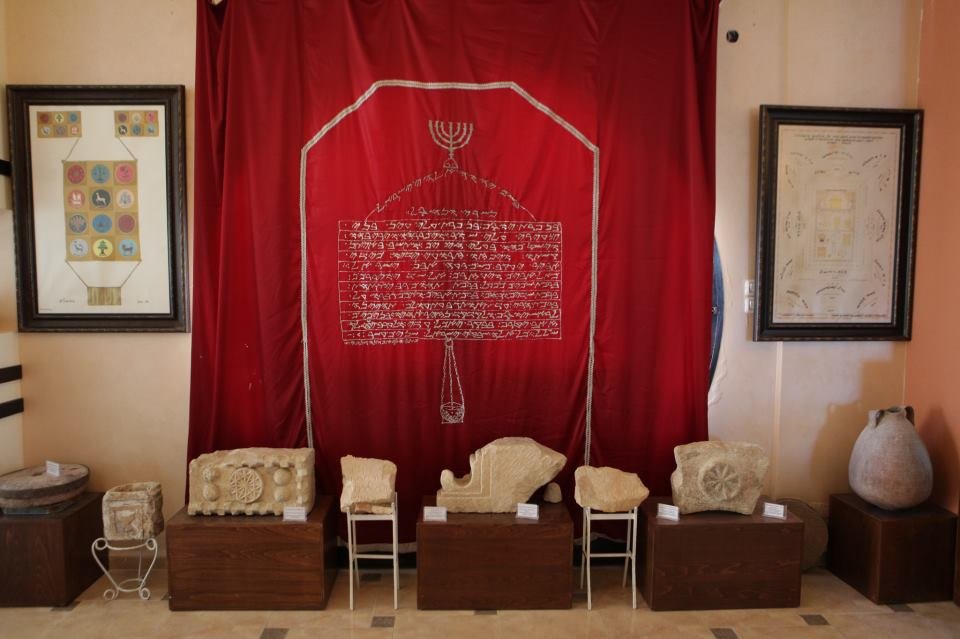
The world’s smallest ethnic museum on Mount Gerizim is a good place to get to know Samaritan culture closely.
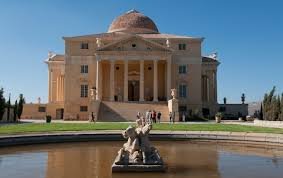
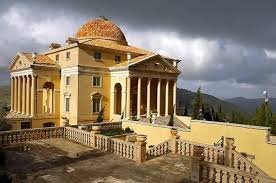
Yes, we are definitely continuing our trip in Nablus 🙂
This house is an exact replica of Andrea Palladio’s Villa Capra in Vicenza. This work of Palestinian businessman Munib R. Musri, who fell in love with Palladion architecture on a trip to Italy and set out to create it in his homeland, allows us to witness Italian architecture in Nablus.
Now let’s start discovering the most important part for us, Ottoman traces in Nablus…
Exploring the old city of Nablus is a great pleasure. Contrary to the modern neighborhoods and high-rise buildings in the surrounding area, the winding stone roads, labyrinths of narrow passages, and old stone buildings allow us to make a unique journey into history.
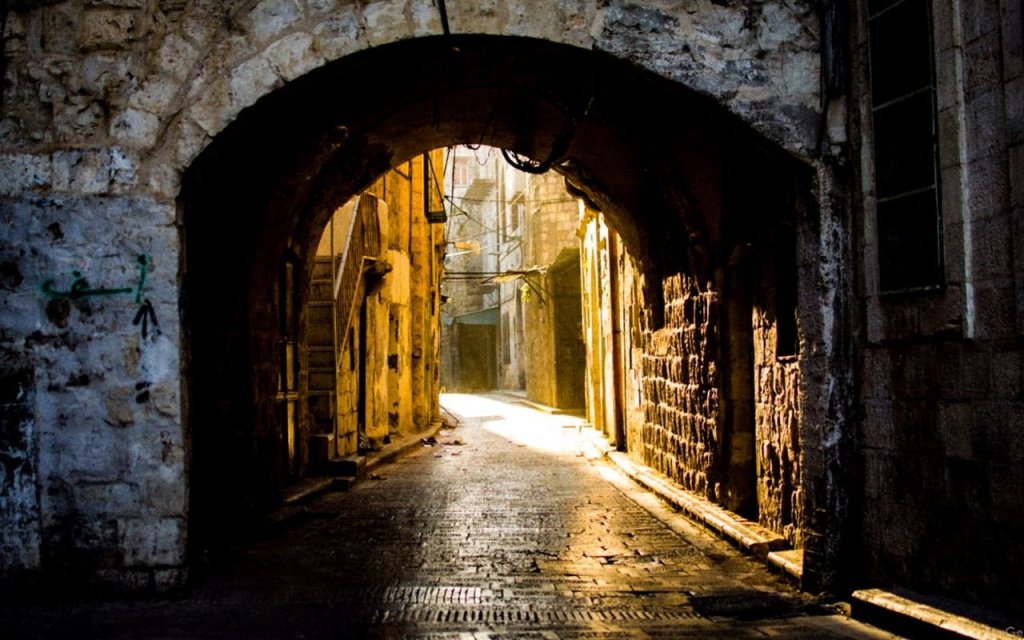
While wandering the streets of the old city of Nablus, you can come across an Ottoman trace and a Turkish signature at any time. The people of Nablus have fully embraced the 400-year-old Ottoman traces, from Turkish baths to Ottoman swords, from mosques restored by Turks to the names of shops.
Let’s start our journey with Zafer (Victory) Mosque.
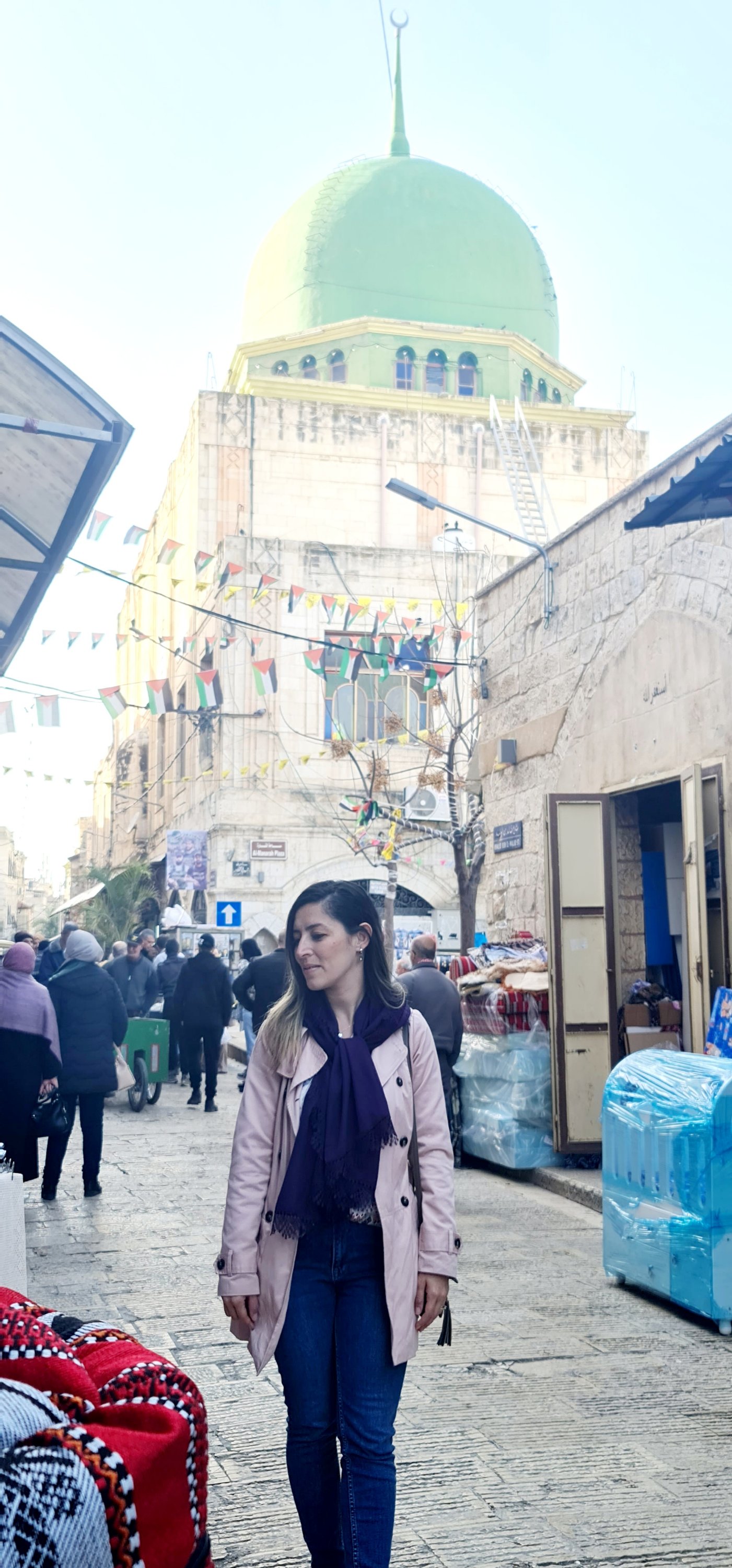
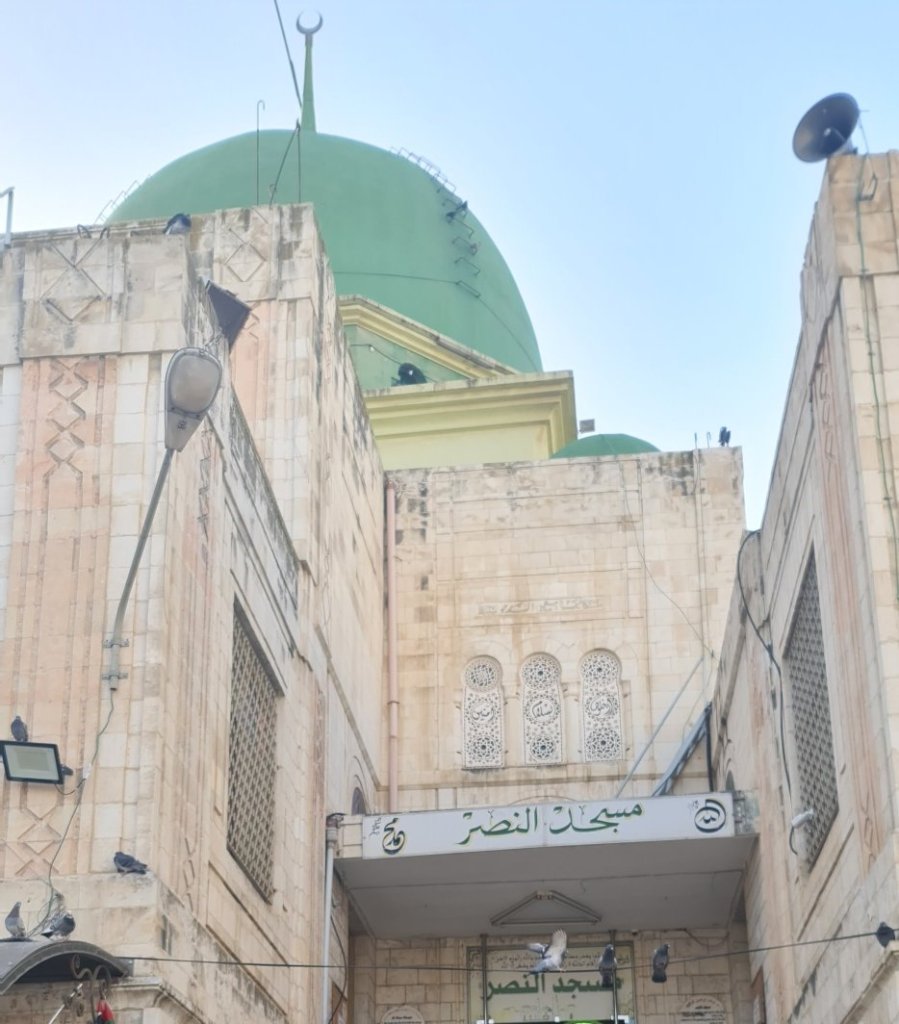
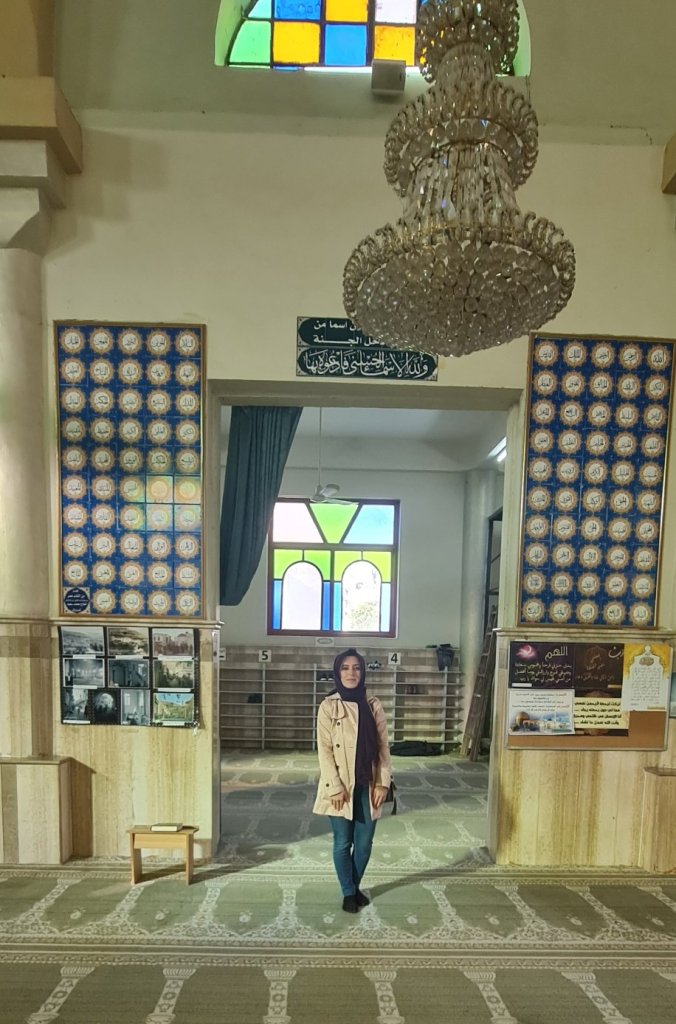
The green-domed mosque seen in the back is Al-Nasar Mosque (Nasar means victory in Arabic, Zafer Mosque).
It was built in 638 A.D. by Leader Amr Ibn Al As, 21 years after the hijra.
When the crusaders invaded Palestine in 1099 A.D., they made this mosque a church.
Salahaddin Eyyubi took these lands from the Crusaders in 1185 A.D., and he converted it back into a mosque. Due to Saladin’s great victory over the crusaders, it was named ‘Victory Mosque’.
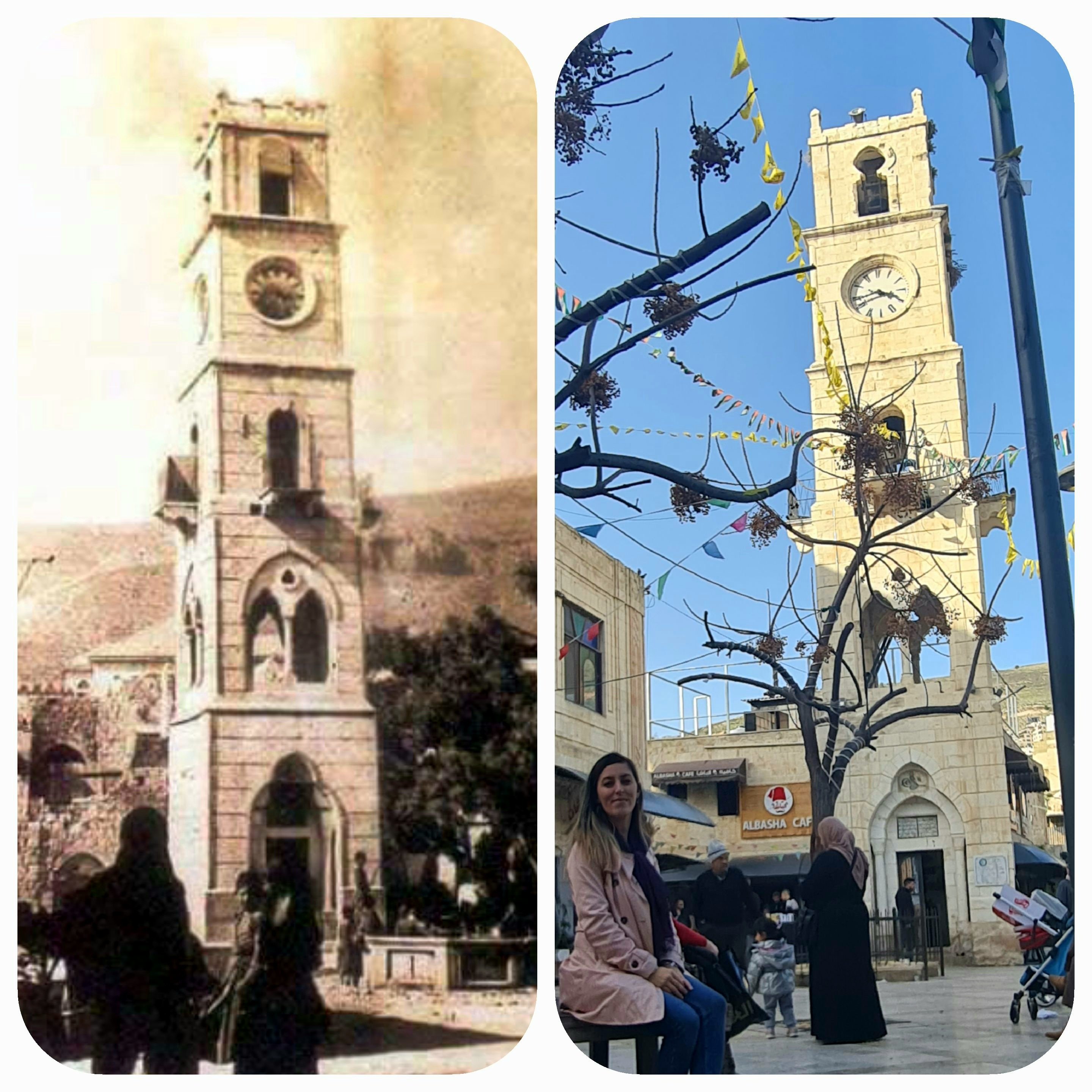
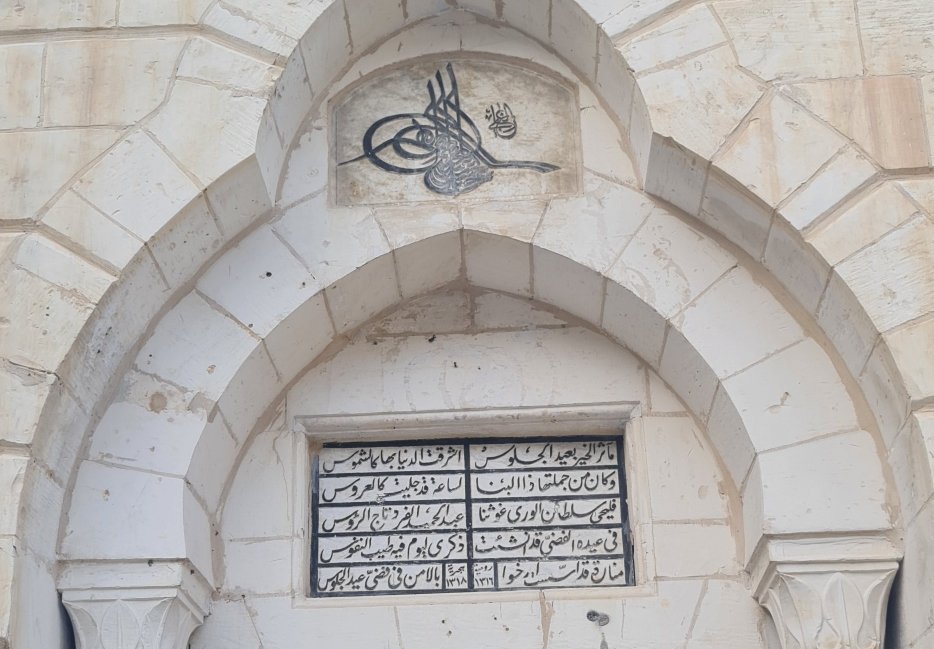
The clock tower is located right next to the Zafer (Victory) Mosque. There is an Ottoman symbol on the tower, and also a poem praising Sultan Abdulhamit under the symbol.
From the Zafer Mosque, we are now going to the Ulu Mosque (Some called as Hıttın Mosque). We are on the historical Hıttin Street, which takes its name from the Battle of Hıttin, in which the Ayyubids under the command of Salahaddin Eyyubi defeated the Crusader kingdom.
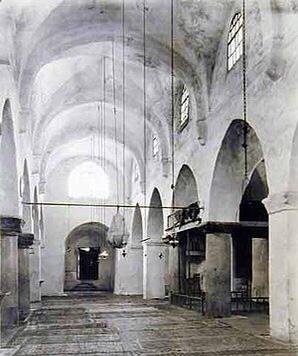
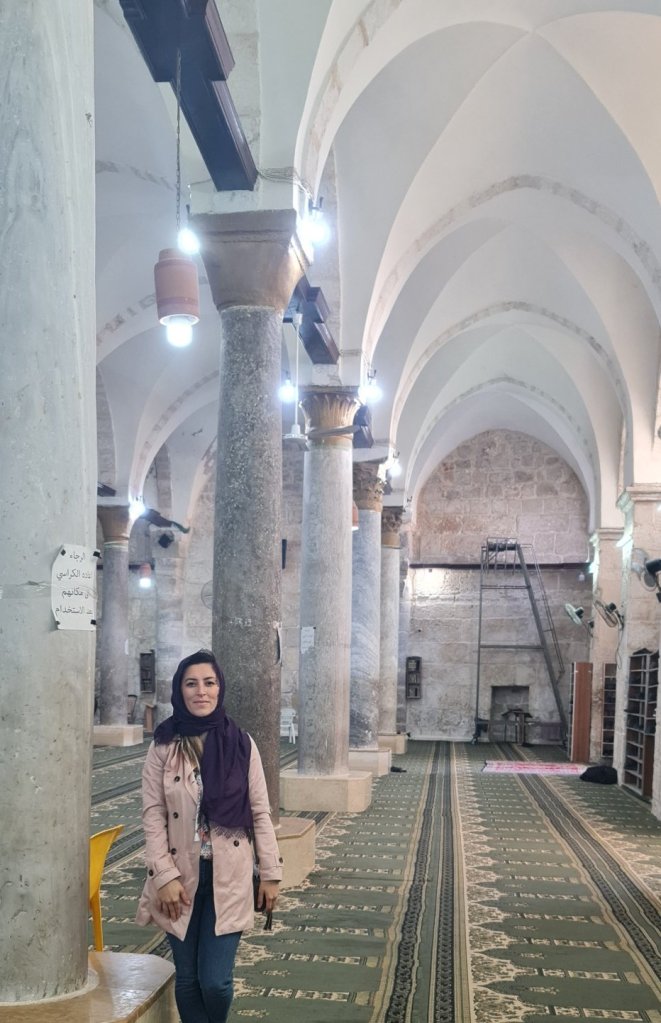
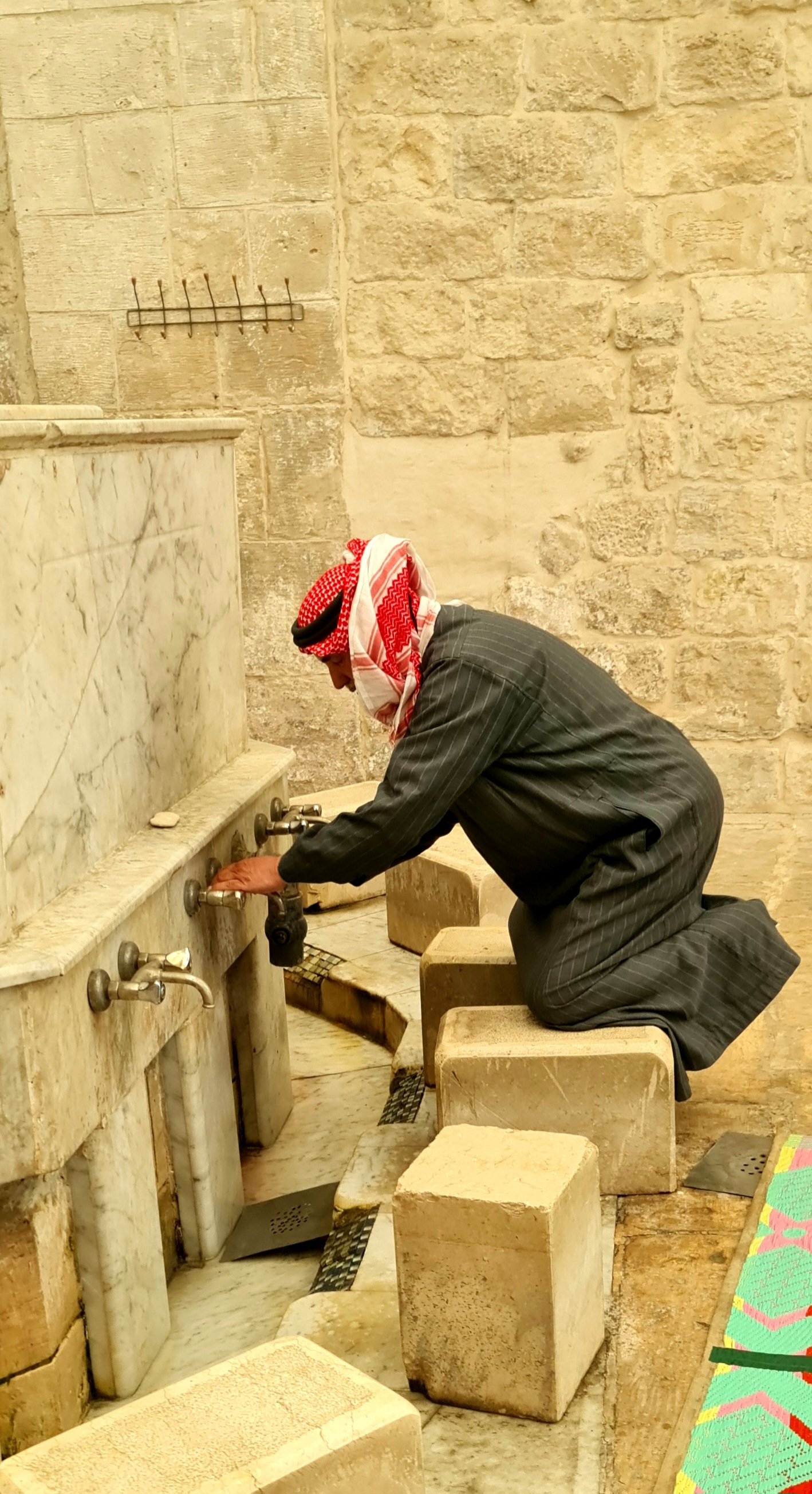
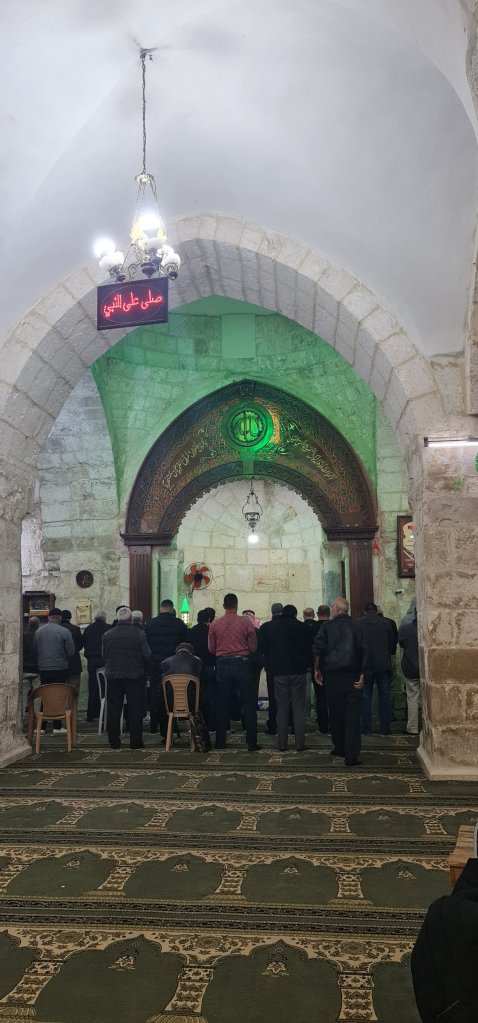
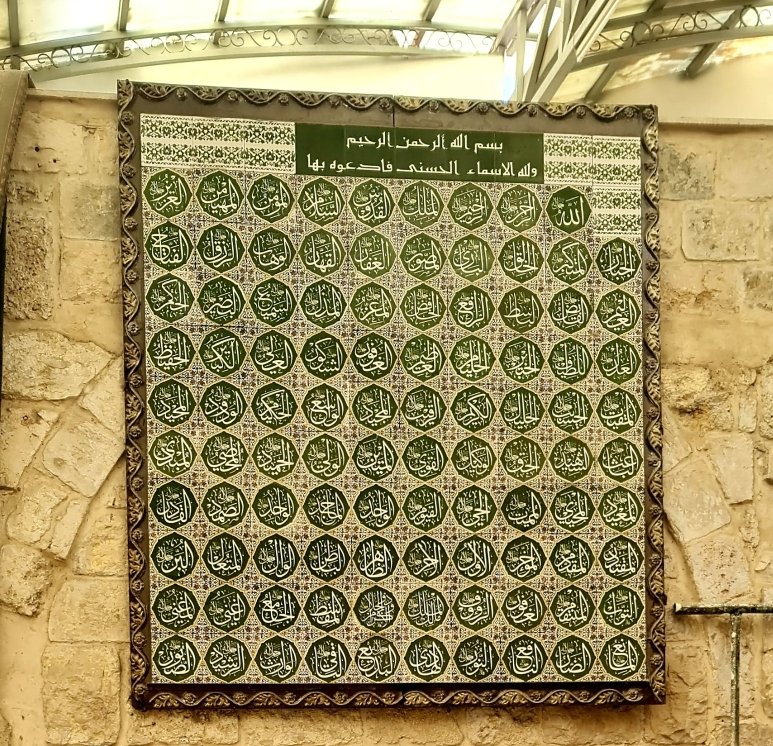
We pass from Ulu Mosque to Hanbali Mosque. Another historical stop on the way 👇
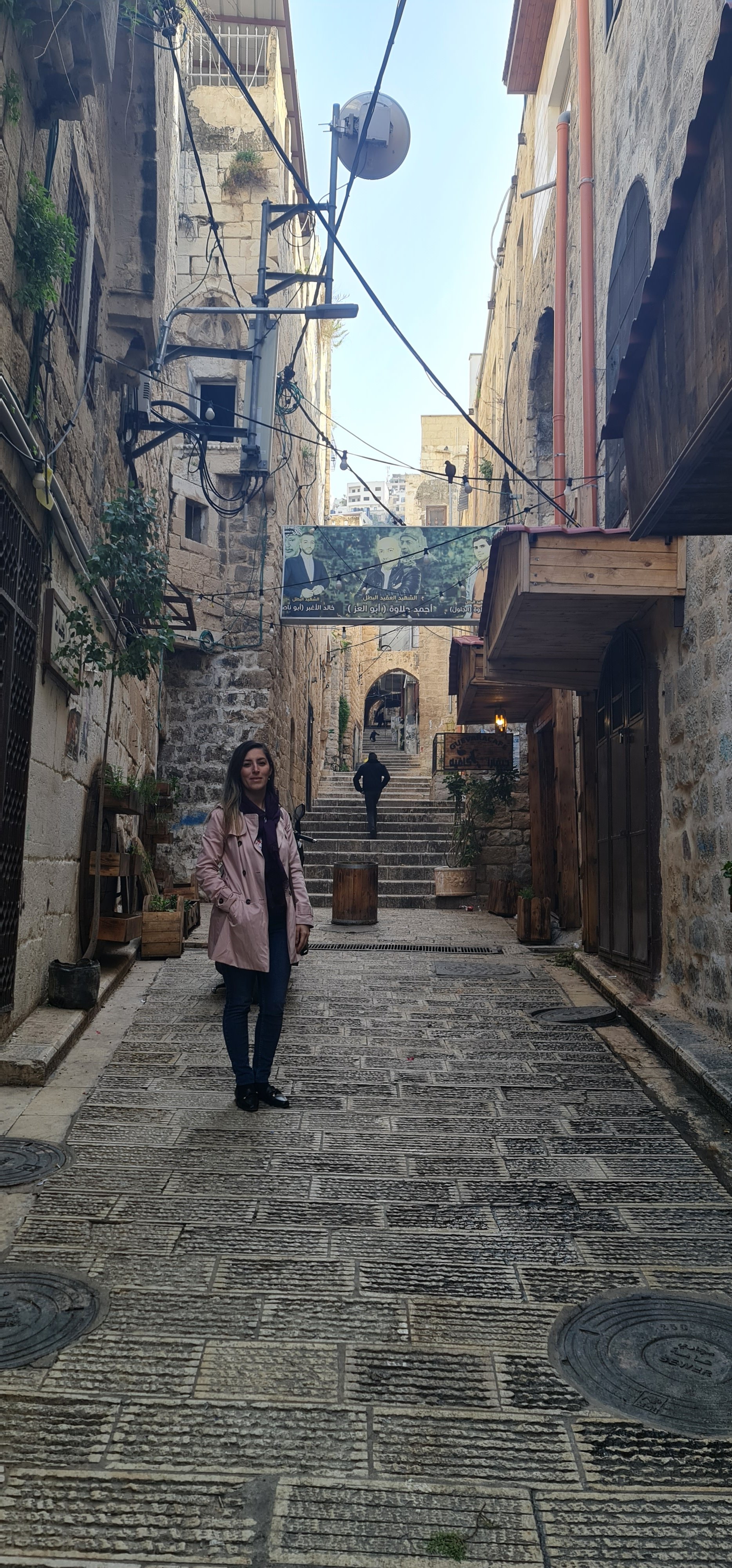
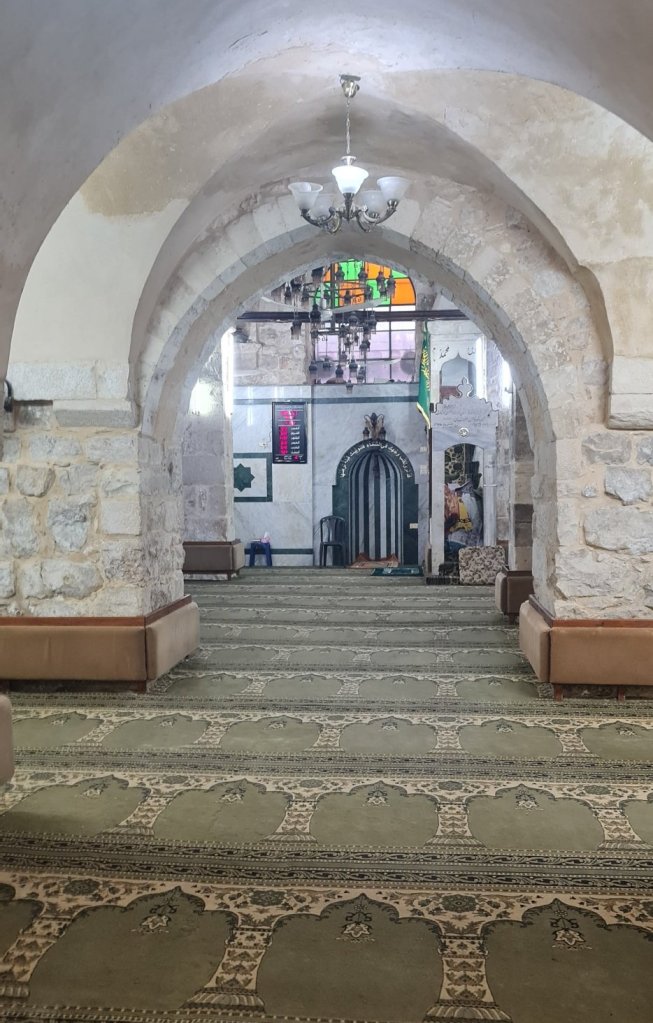
Hanbali Mosque: This mosque, which was built in the 11th century, is only for Hanbali members. We entered with permission.
Finally, the Green Mosque 👇
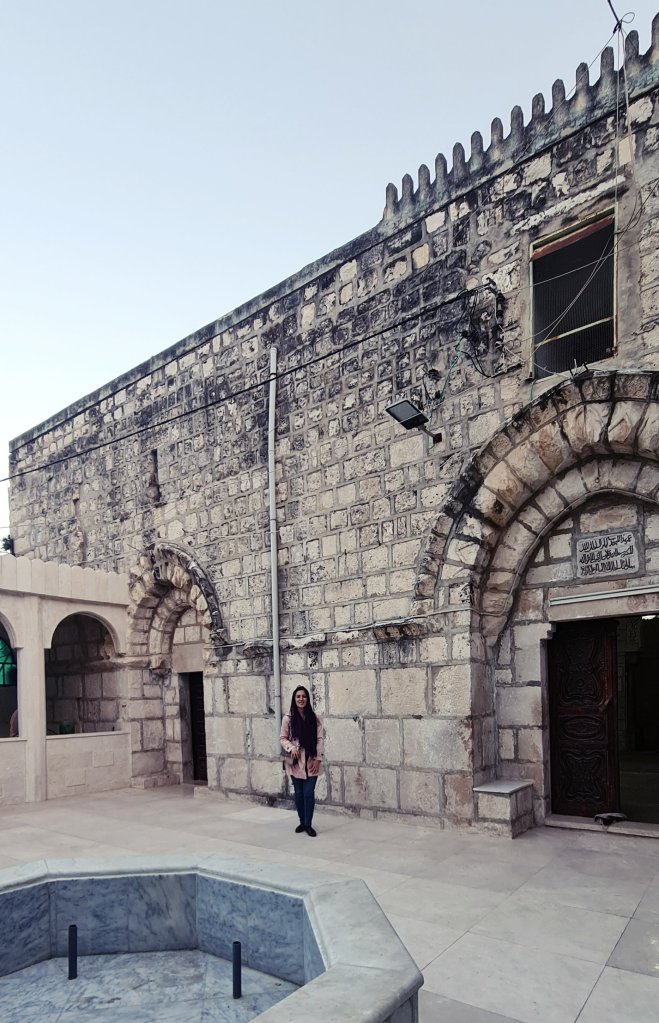
When Salahaddin Eyyubi came to Nablus and ended the domination of the Crusaders and recaptured this place, he converted the church to its original state. It has been used as a mosque for many years and in 2002, in the second intifada, this mosque was damaged by the Israeli soldiers. It is being restored by Imam and volunteers. In the courtyard of the mosque, there is the tomb of the district governors who lived in the Ottoman Period.
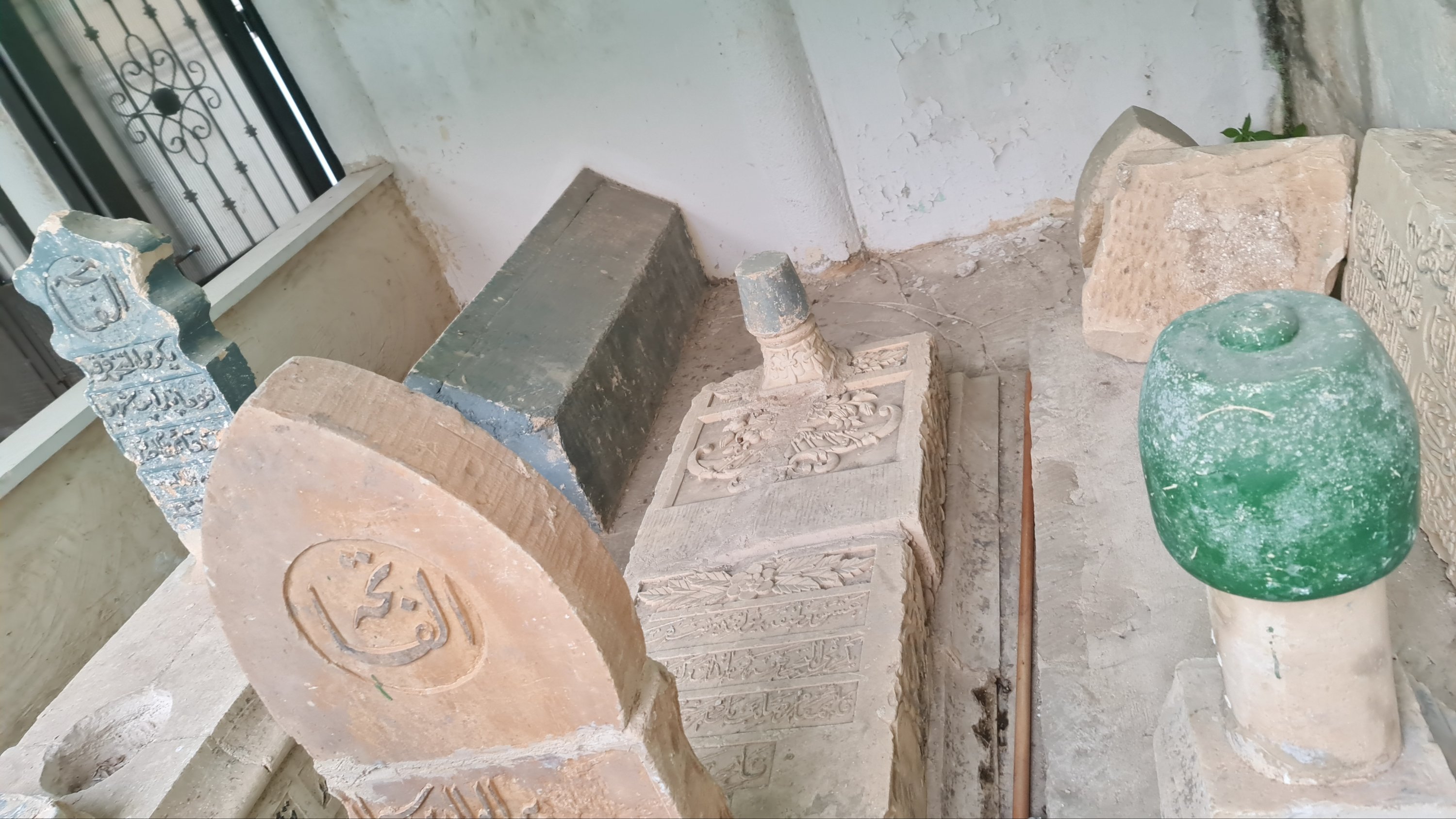
I told you that you can come across a Turkish signature at any moment, We are in the Historical Turkish Bath…
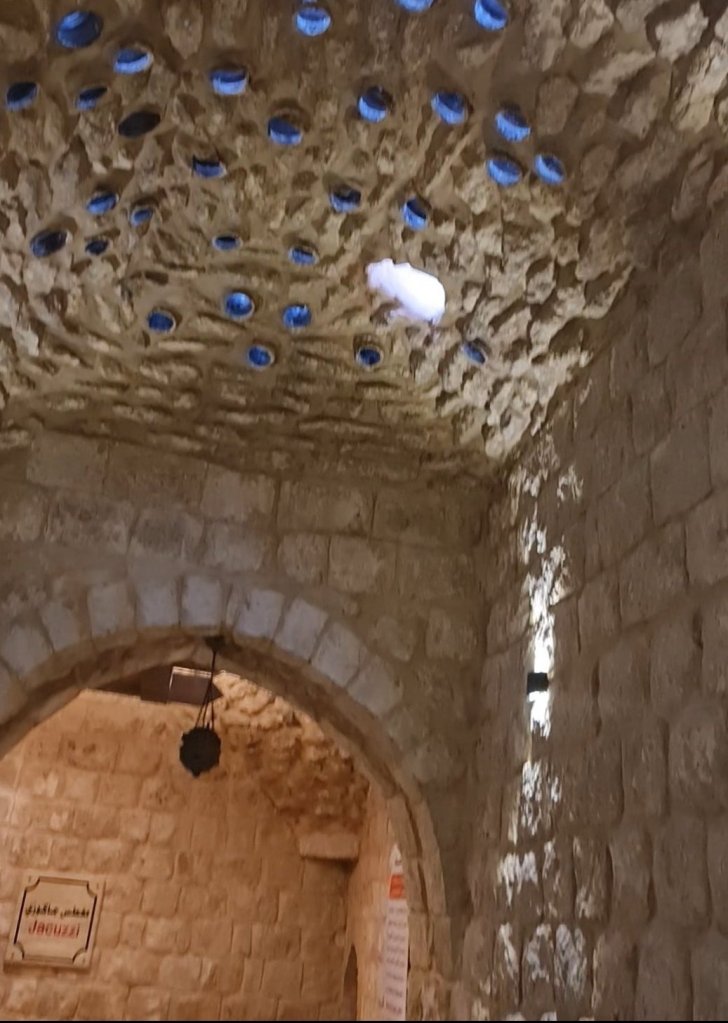
Turkish Bath: This bath is a history that has lived for 800 years. The holes and mosaics we see on the top were designed in this way in order to receive sunlight from every angle, to preserve the heat inside, and to create steam, since there was no electricity here in the past. In addition to its historical feature, this place has the feature of being a place used by Palestinians for entertainment and rest.
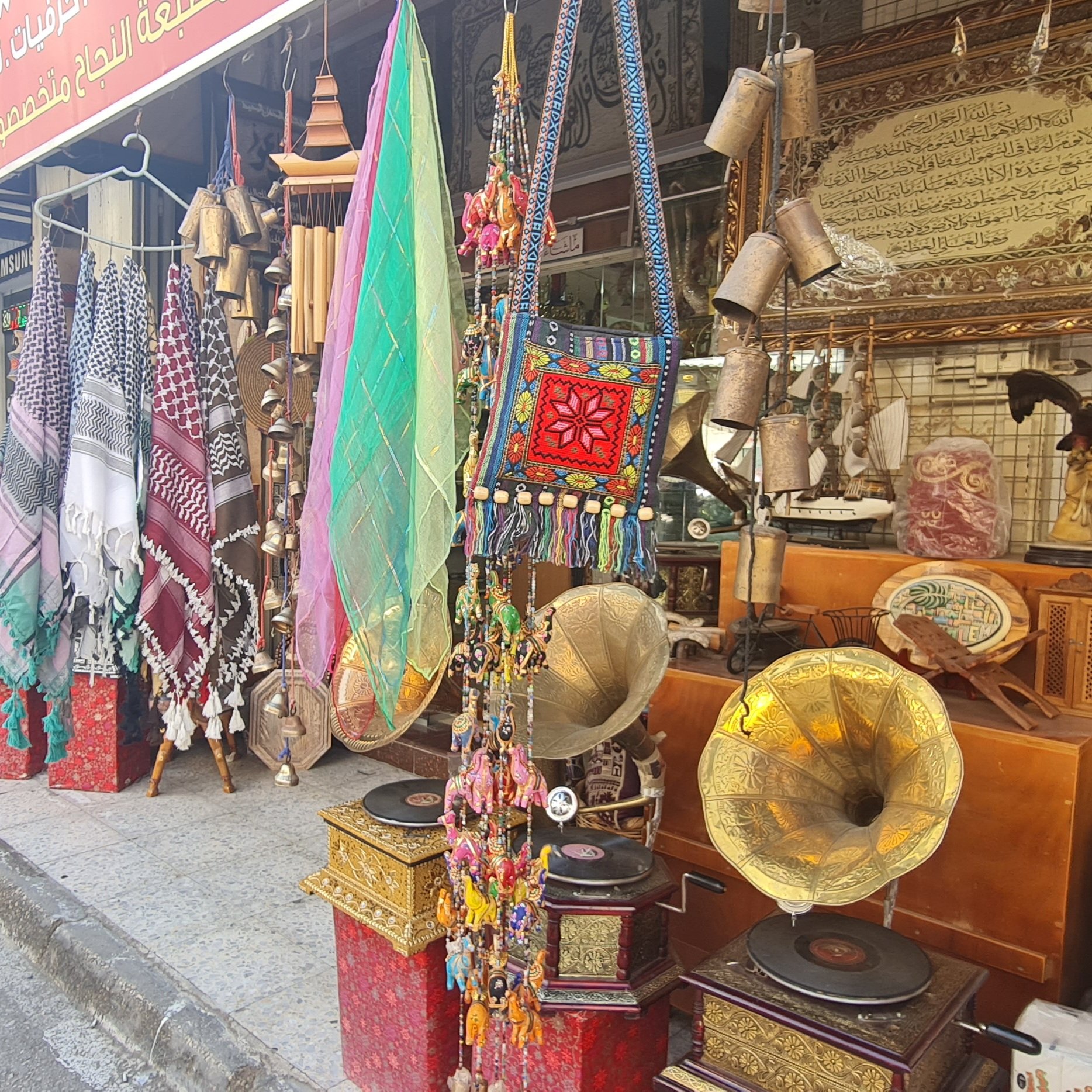
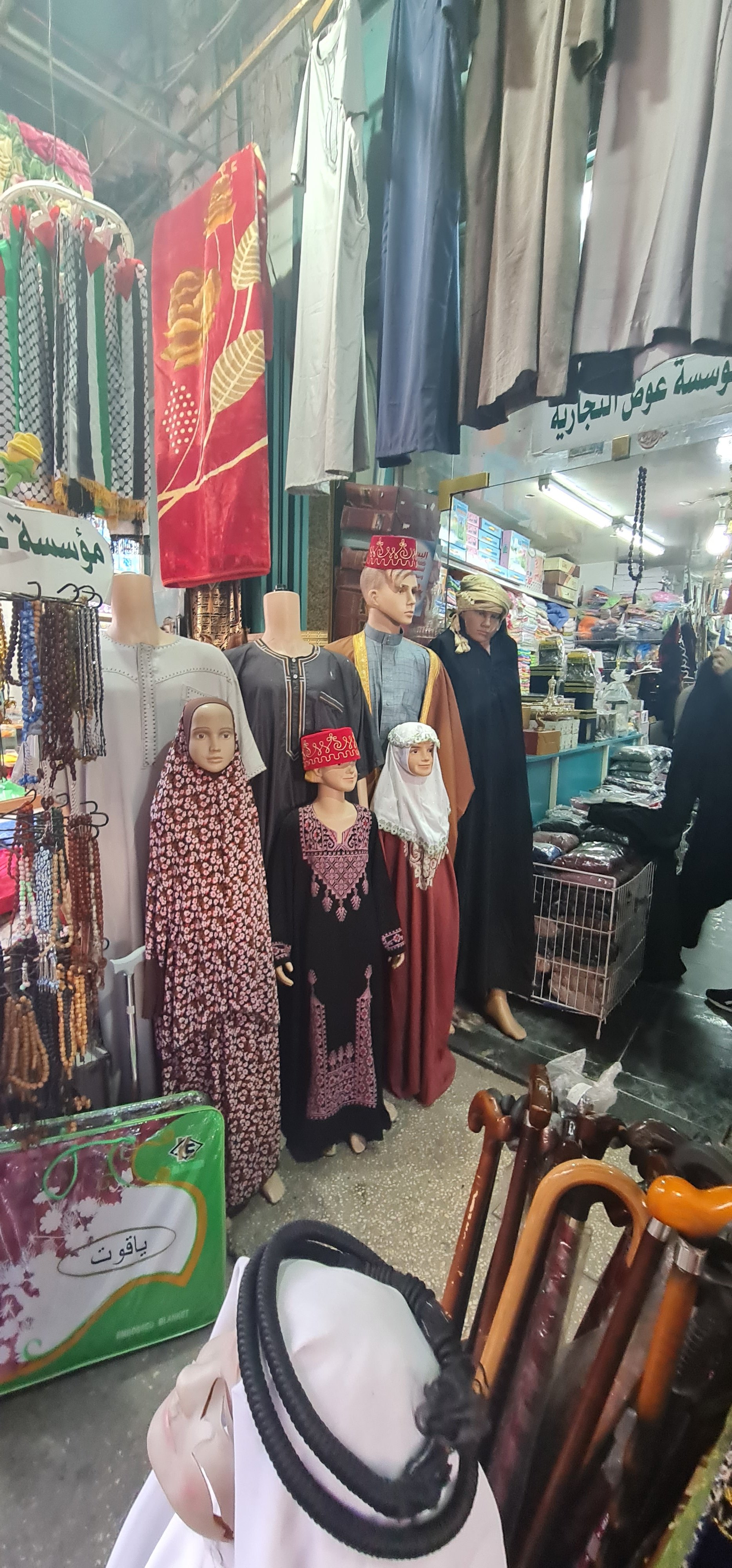
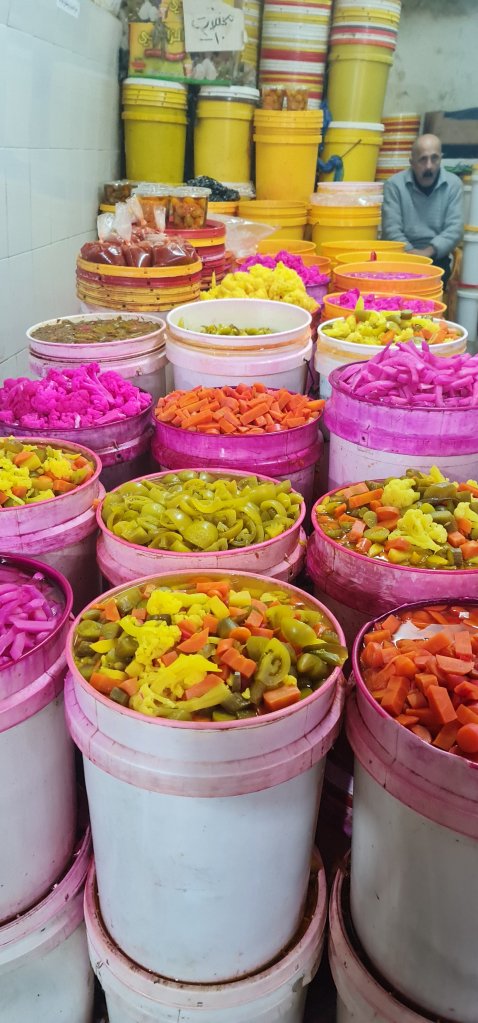
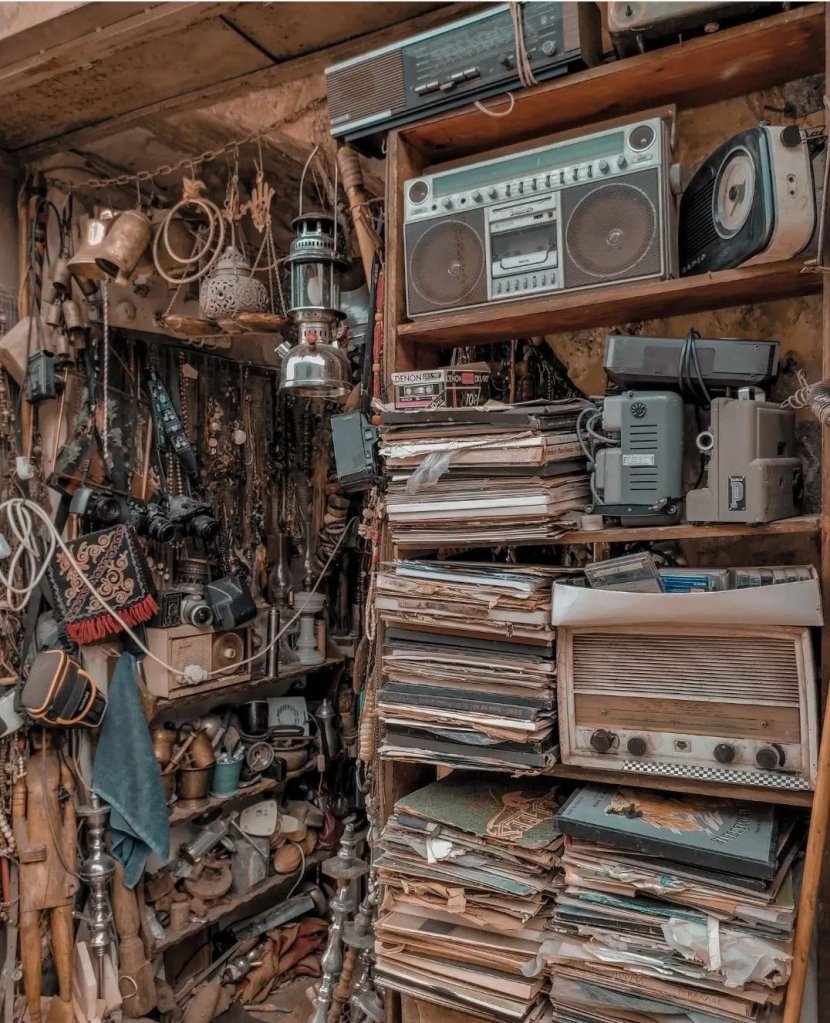
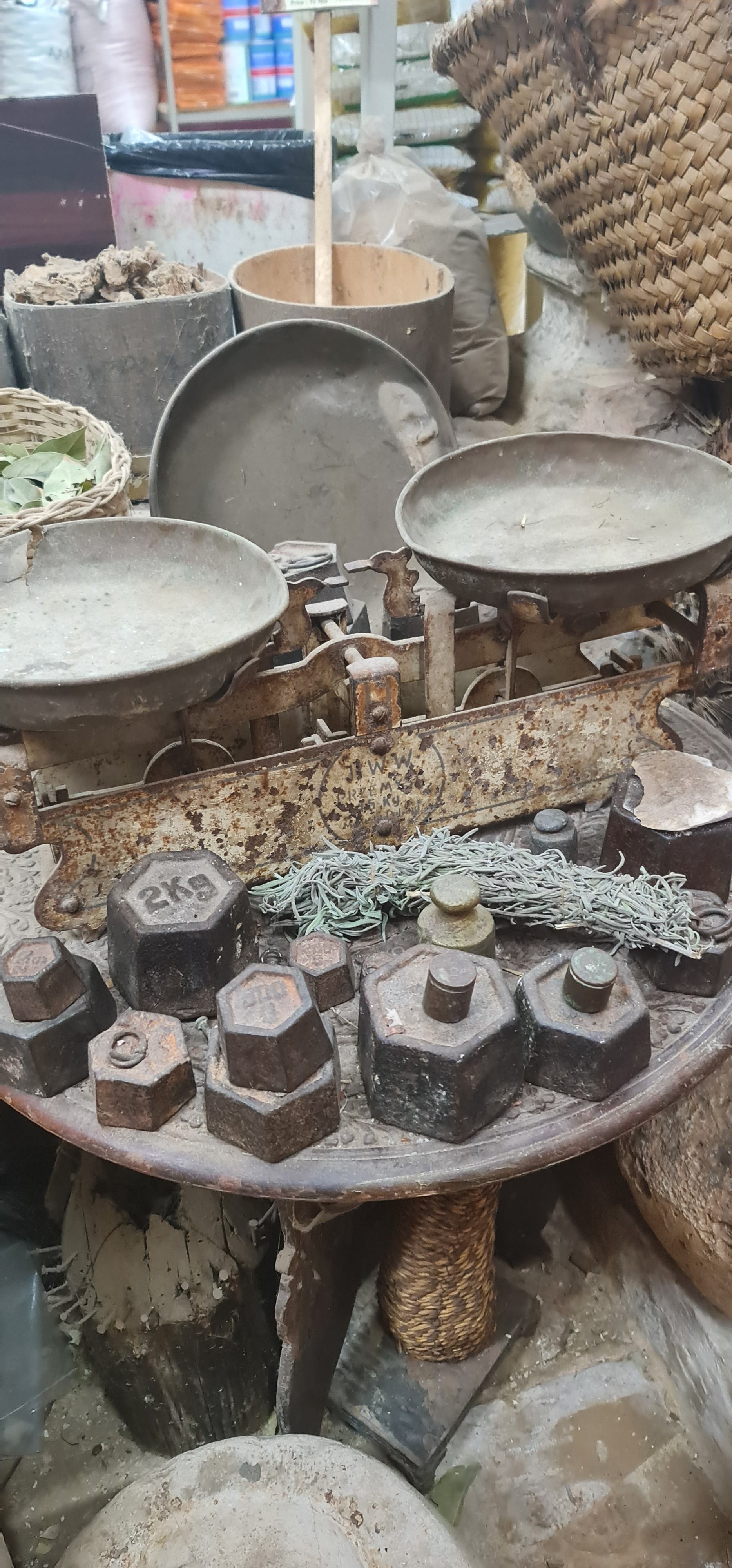
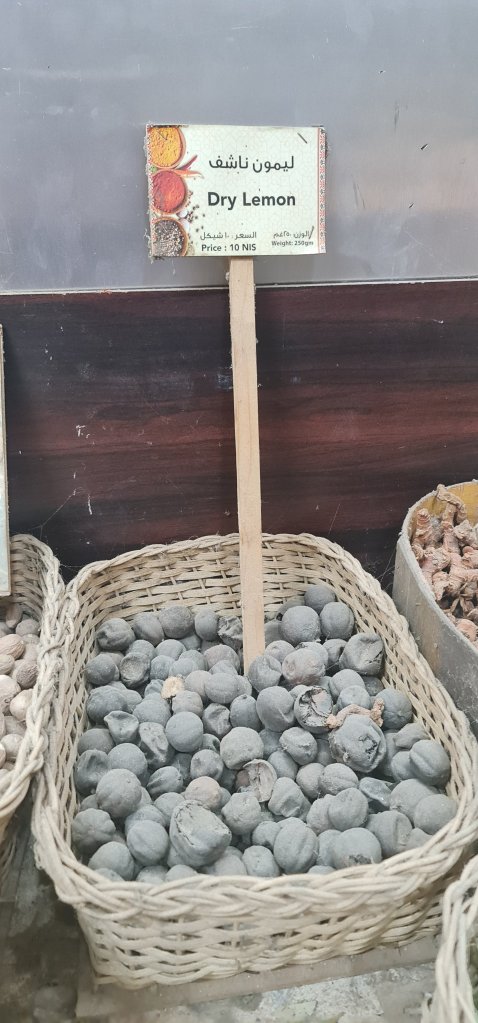
In the center of the old town, there are many shops. You can also taste the local desserts of the town here. I would definitely recommend you to try the künefe and tamriye, these are special to Nablus. Don’t dream of luxury patisseries. Every shop here, from the nut shop to the restaurant, has a history of at least 200 years, and they do not create particularly luxury shops to protect this historical structure.
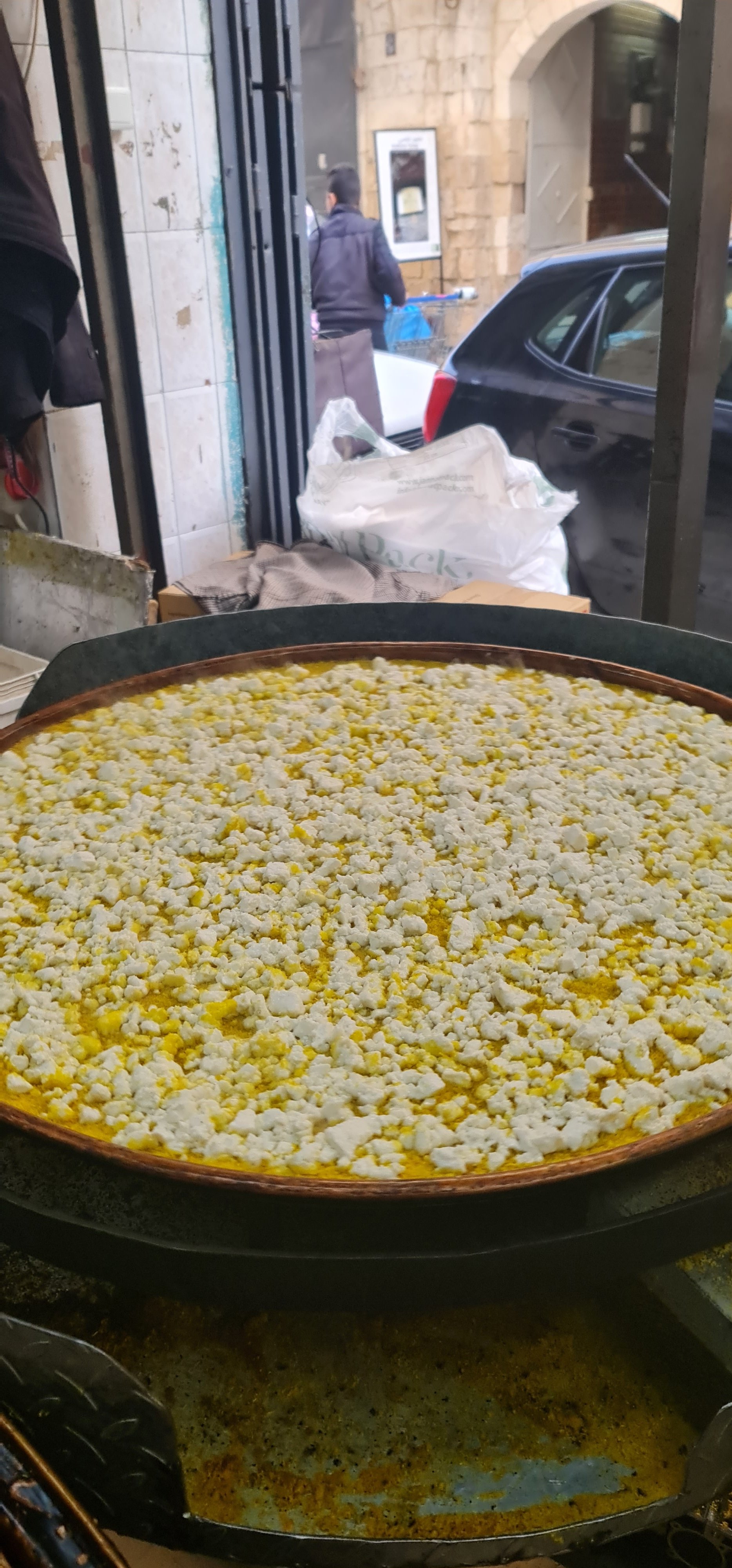
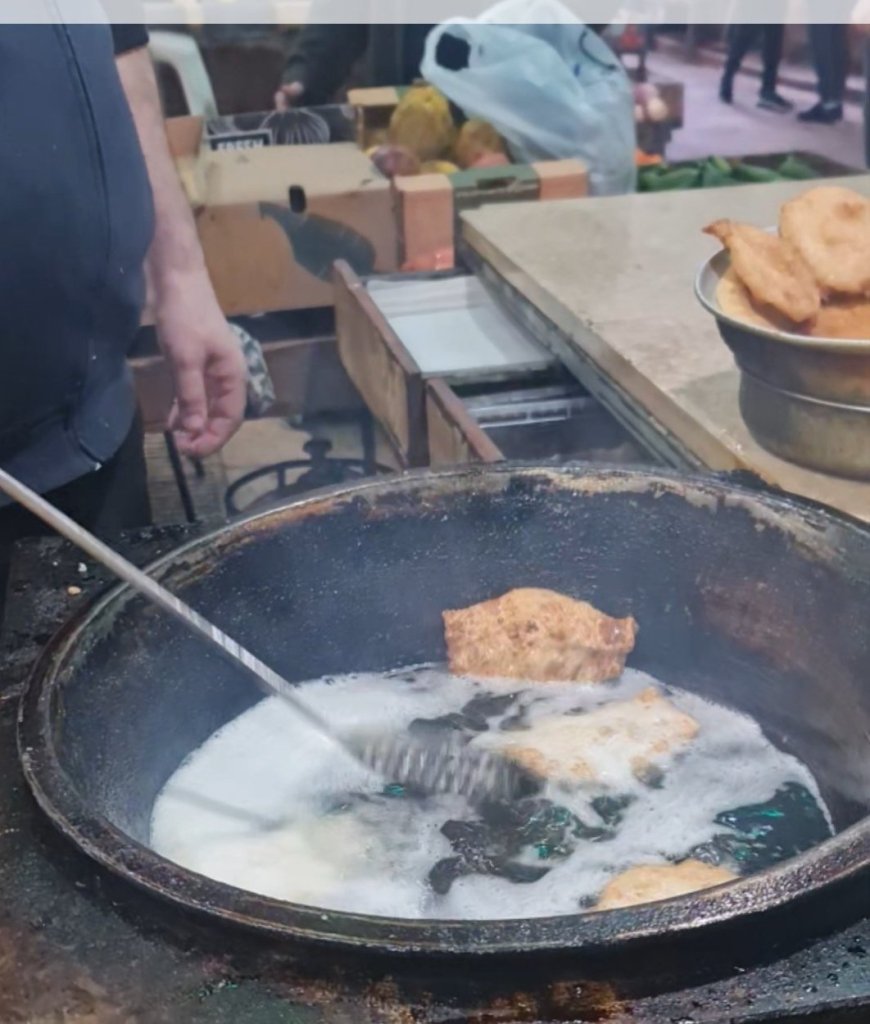
If you ask about Nablus anywhere in Palestine, you will hear the same sentence “Capital of the Kunefe”. There is one more special dessert, Tamriye… a dessert unique to Nablus that you can’t find anywhere else in Palestine
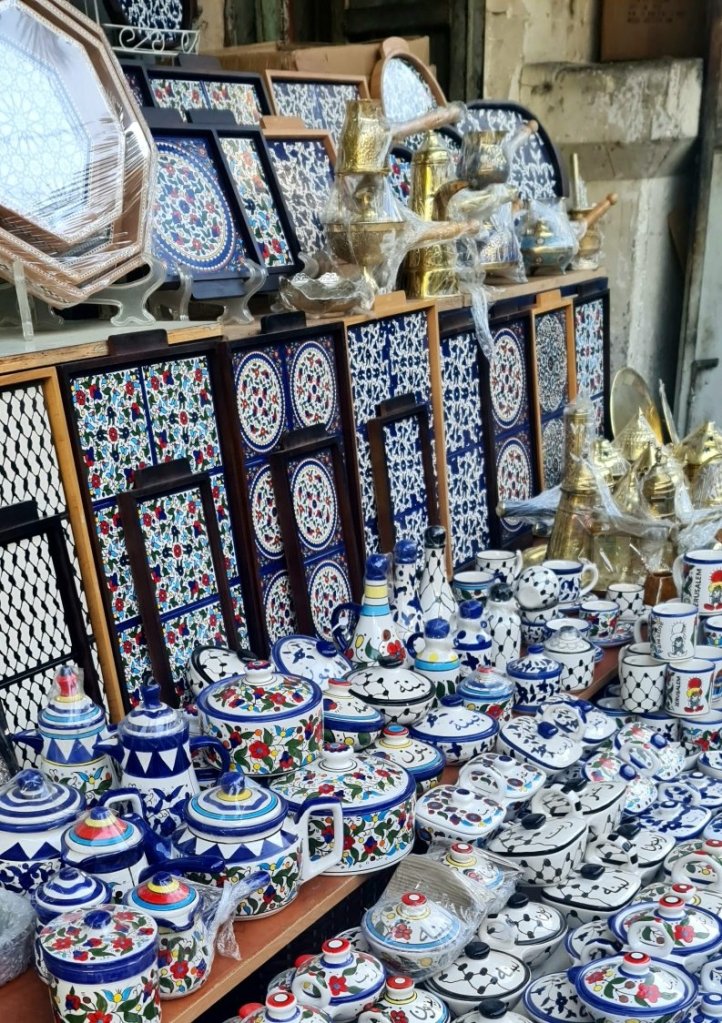
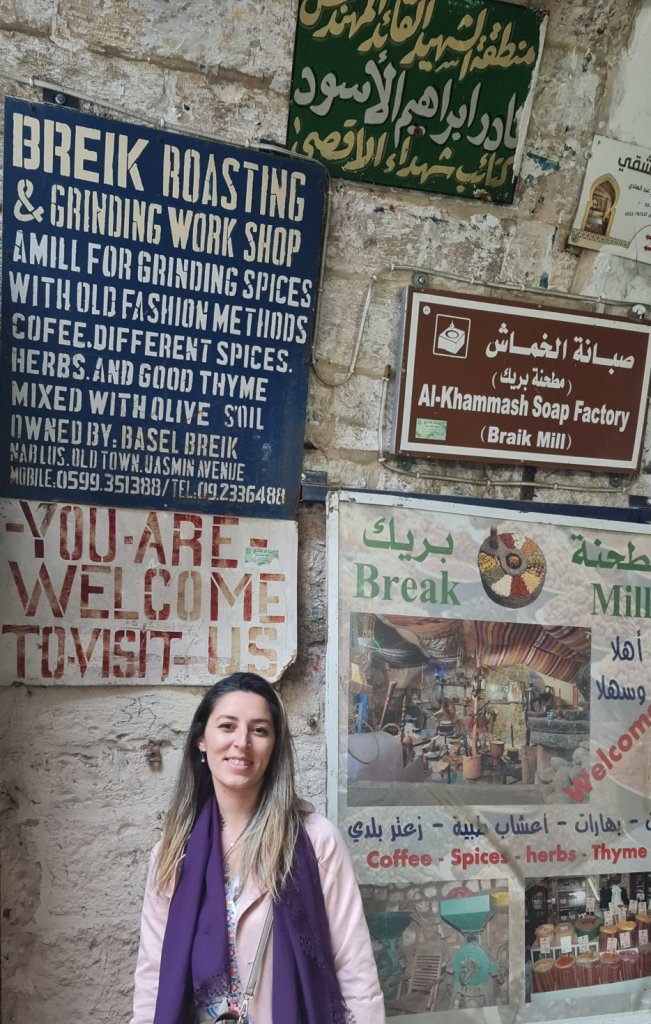
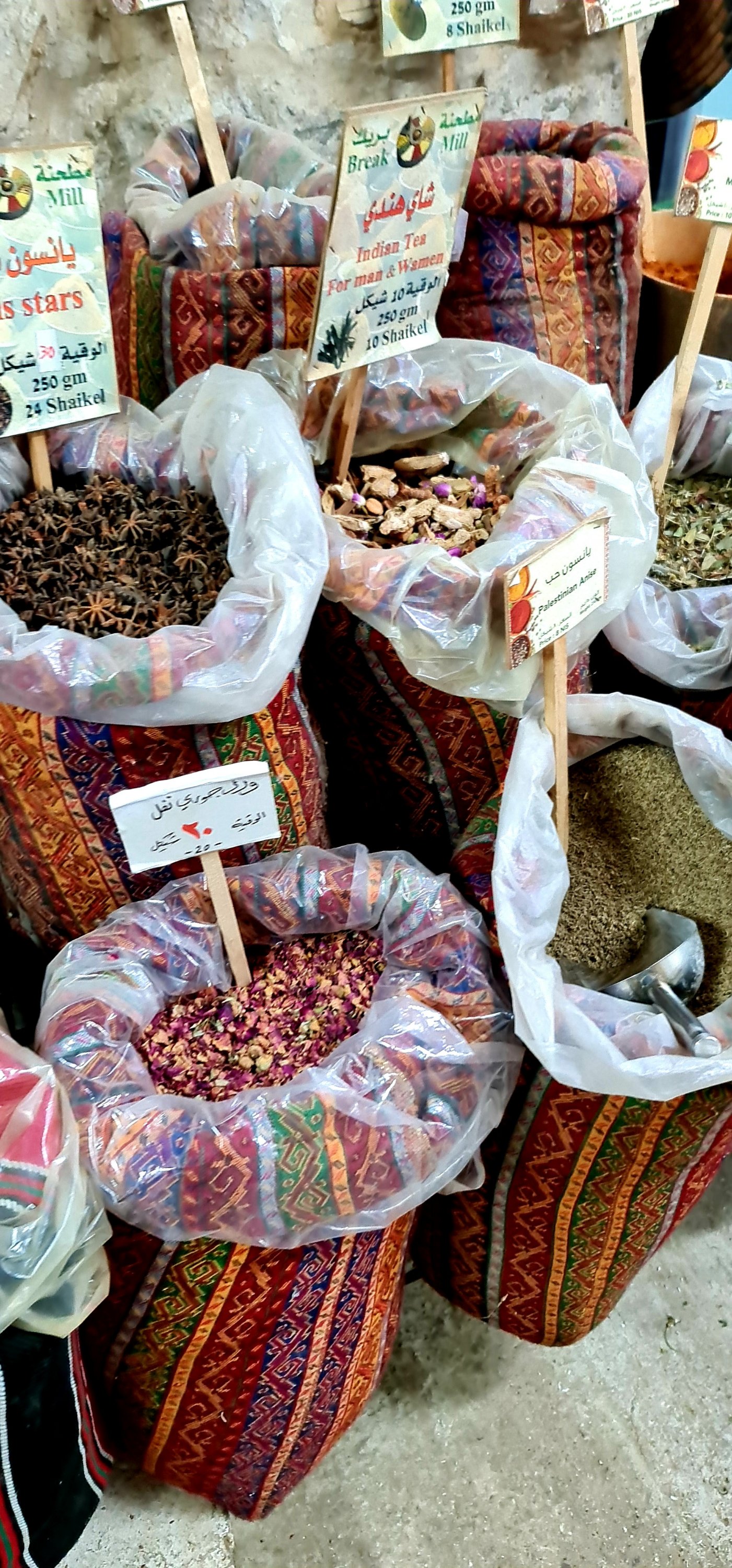
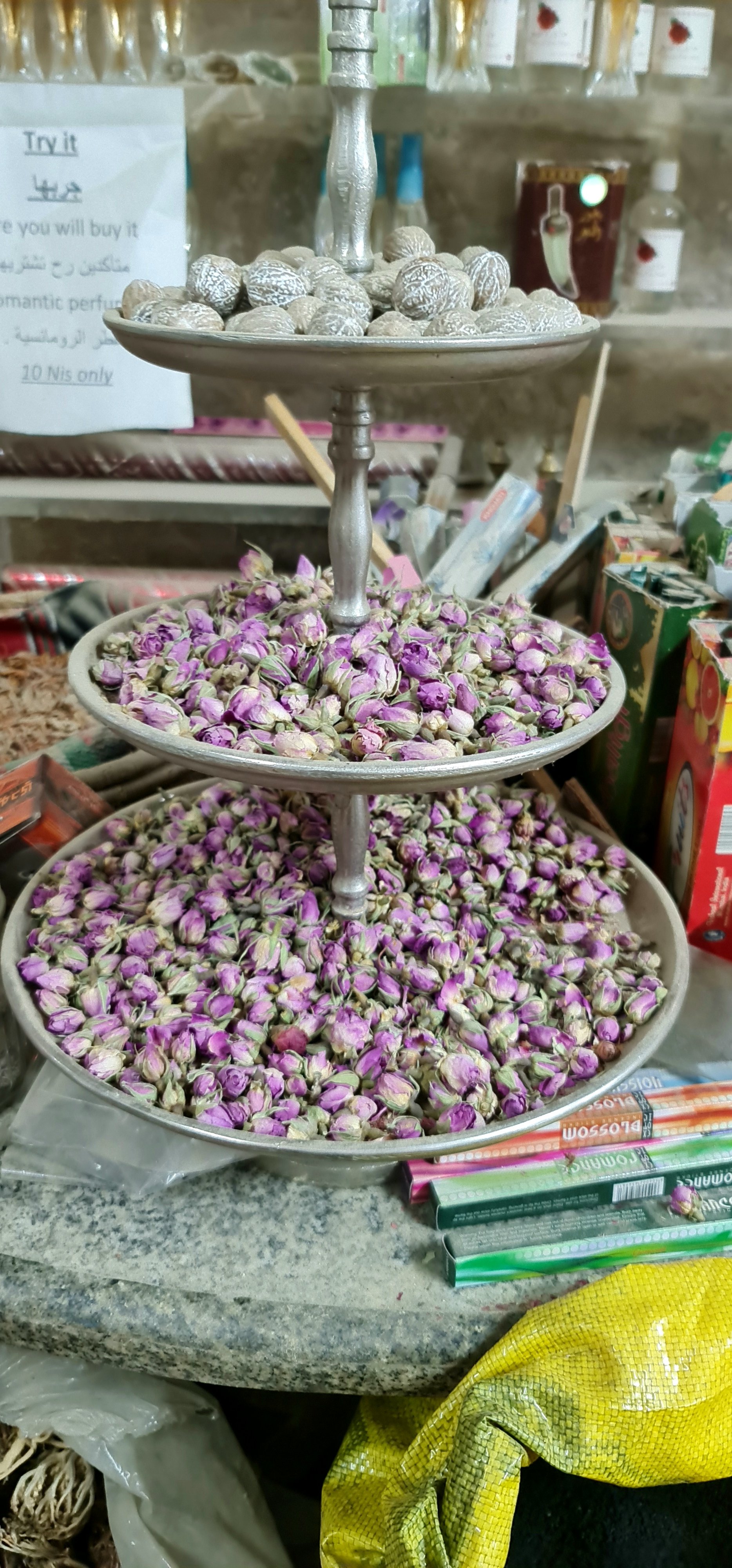
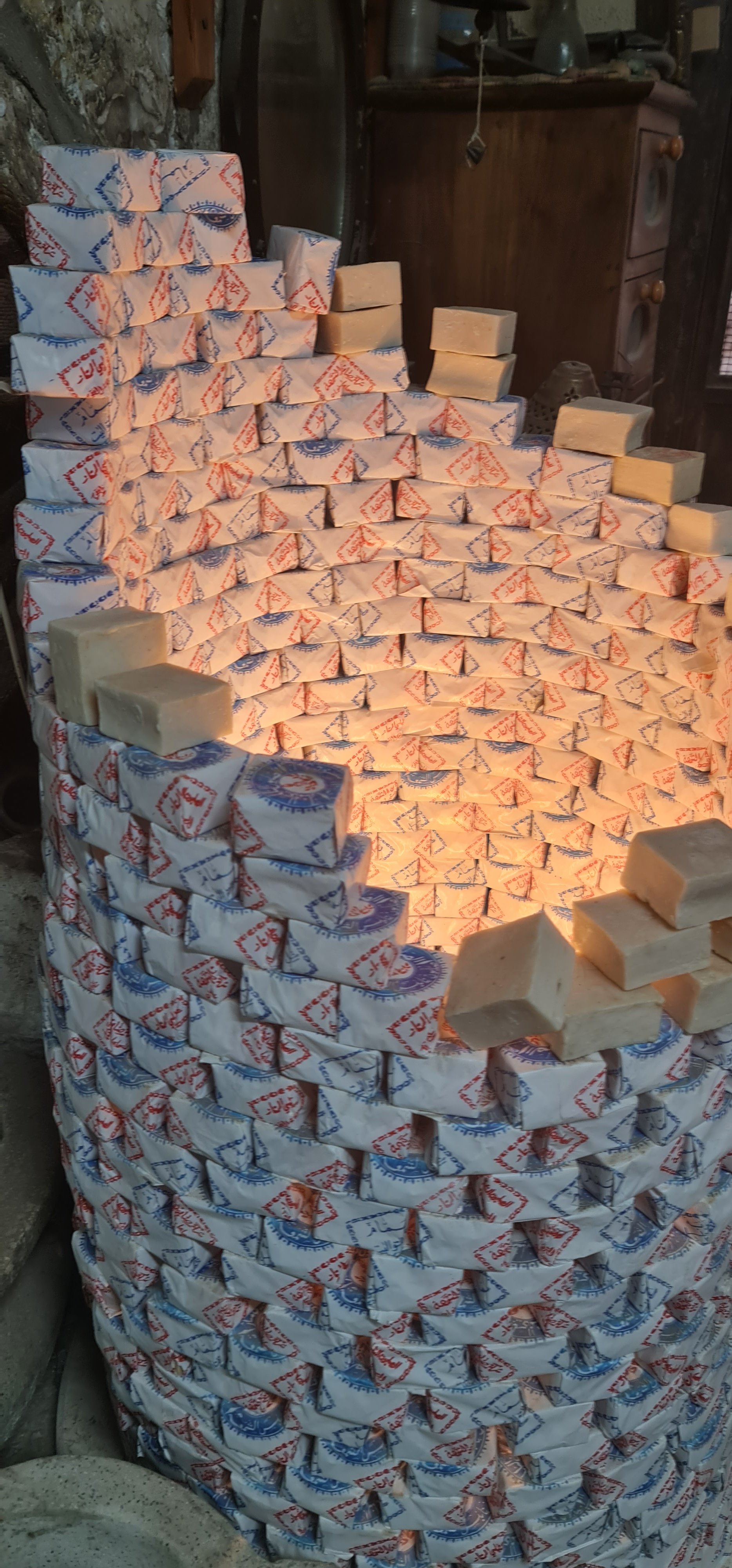
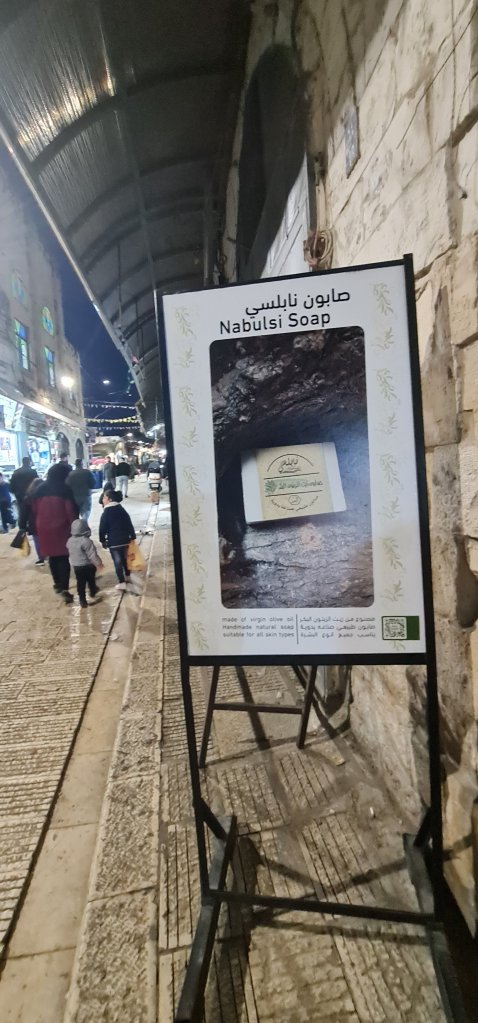
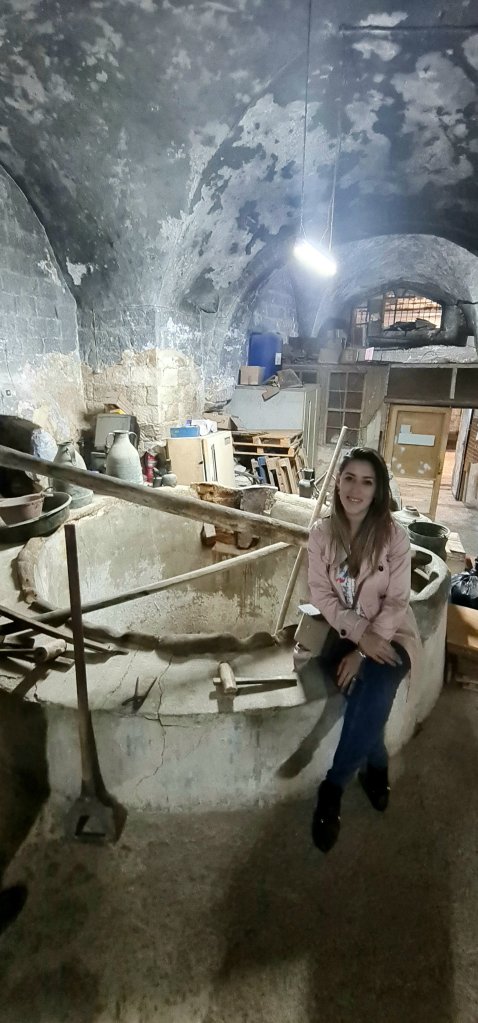
If you are looking for a unique gift for yourself or a loved one, there are many souvenir shops here. If you are looking for something more authentic, you should visit the soap factory.
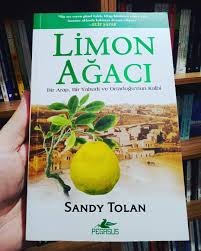
Book Recommendation: Sandy Tolan’s Limon Tree
While reading the story of Delia, the Jewish girl who survived the Nazi persecution, and the Arab youth, Bashir, who was persecuted by those who turned liberation into occupation, you are witnessing the suffering experienced by two immaculate people who were separated from the dirty side of Israel-Palestine events by Lemon Tree.
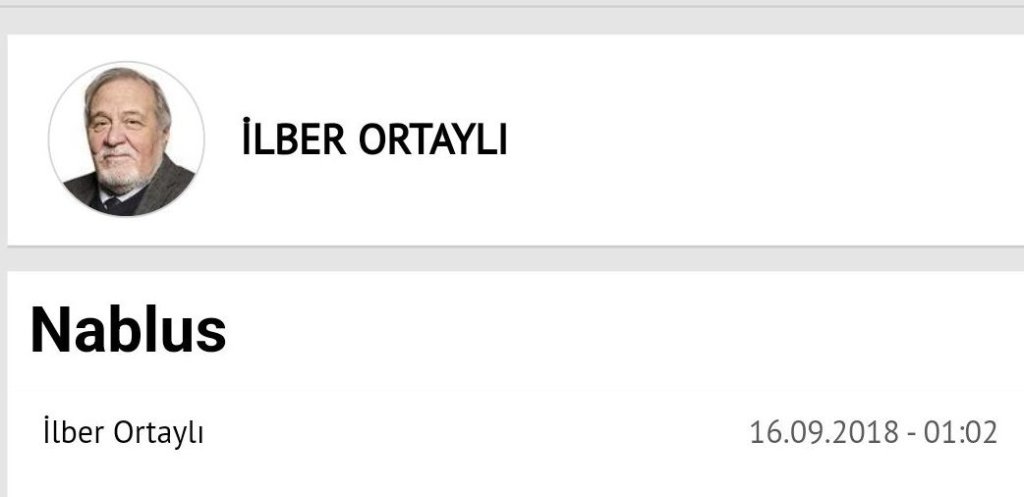
Column recommendation; İlber Ortaylı-Nablus
With love…
 Ortadoğunun Kalbinde
Yorum bırakın