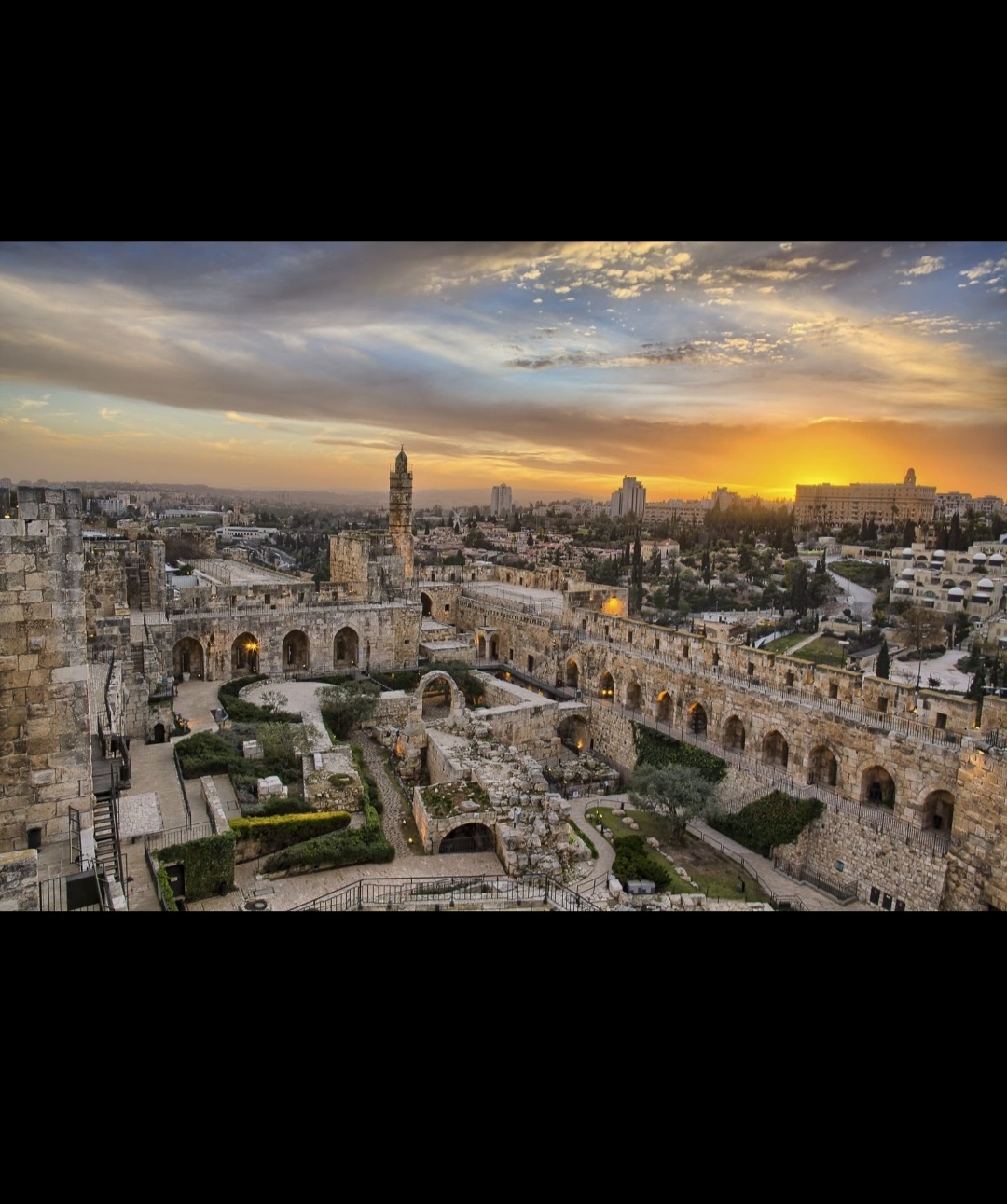
Jerusalem is located in the middle of the world; It is a holy city filled with legends, inhabited by prophets, pilgrims, kings, caliphs, and warriors, going through stormy times for many, many years.
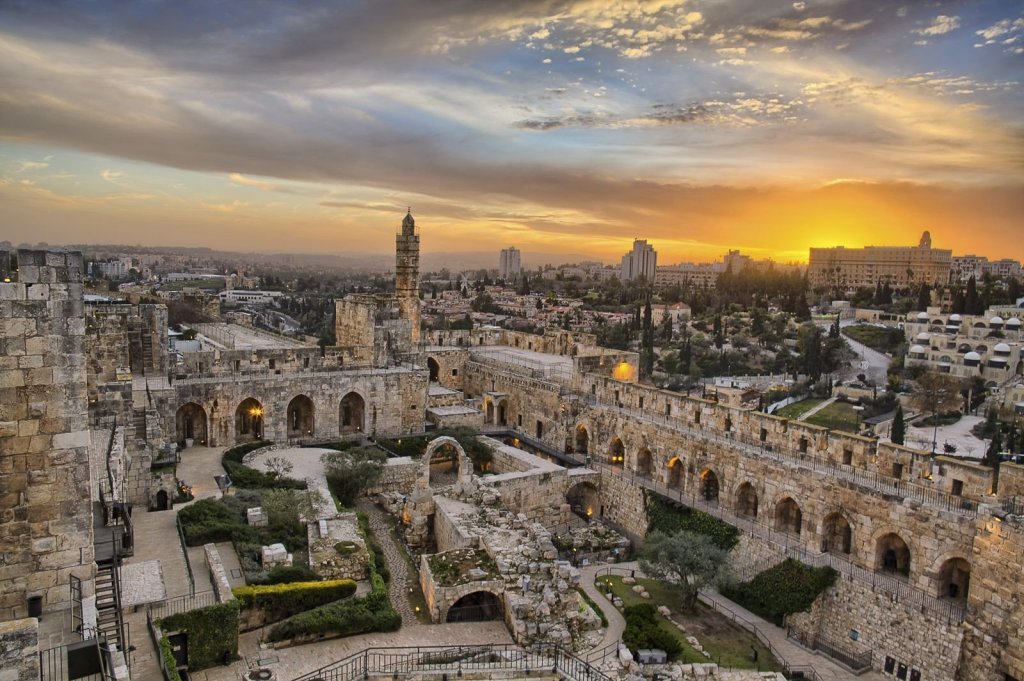
Let’s listen to every stone of the Old City, go to the top of the walls and watch Jerusalem, move forward step by step in the holy land.
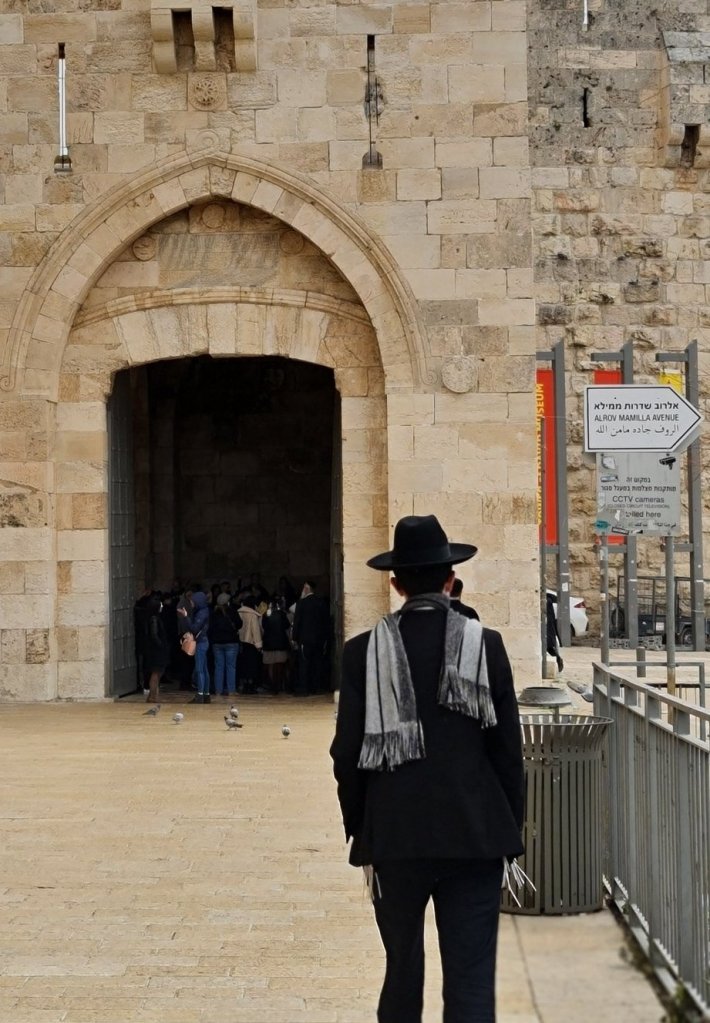
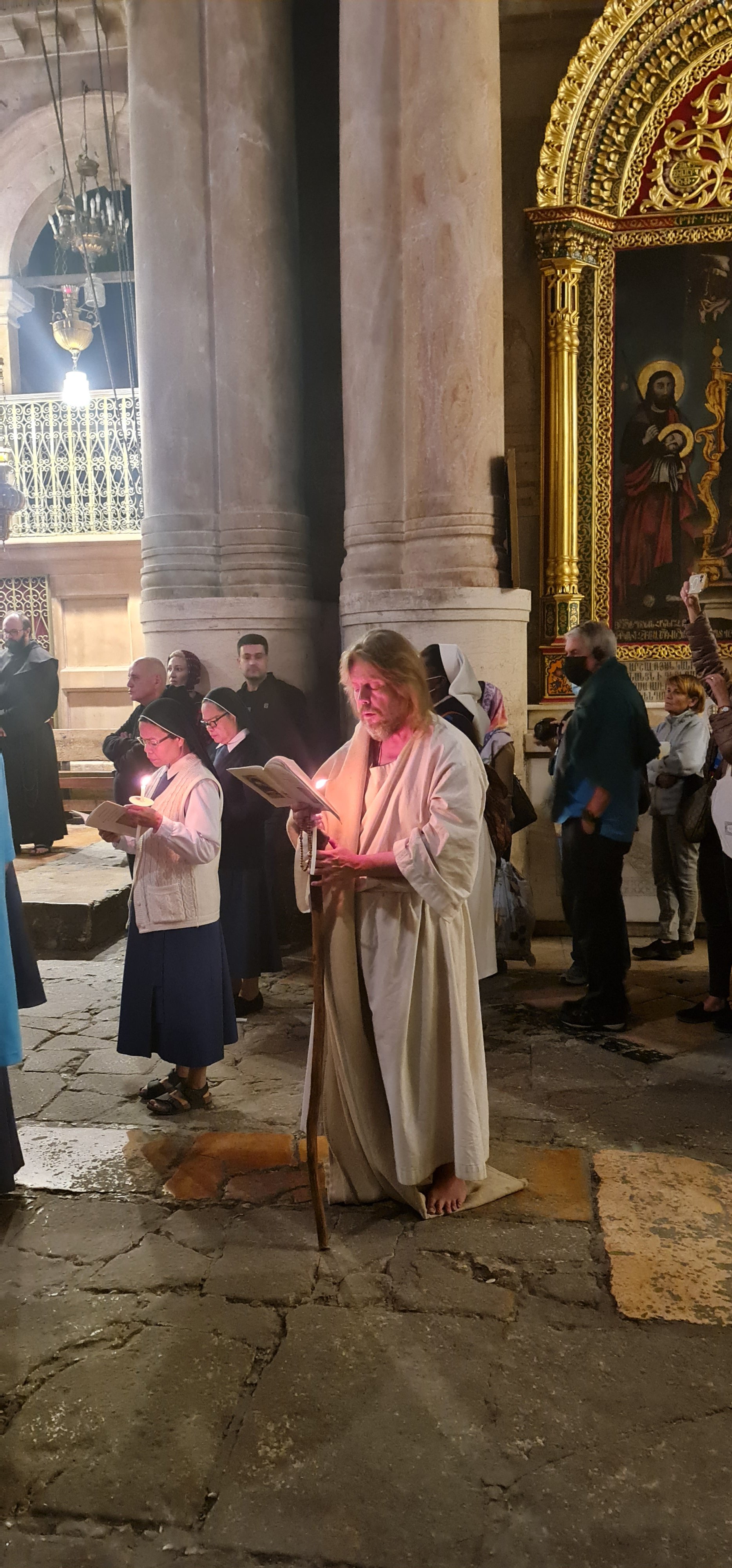
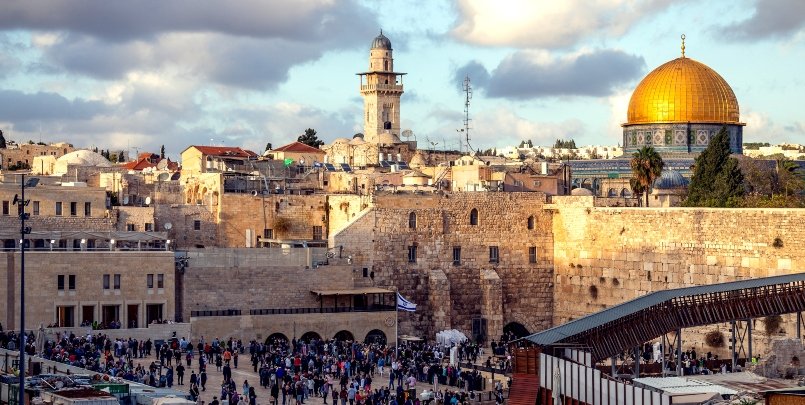
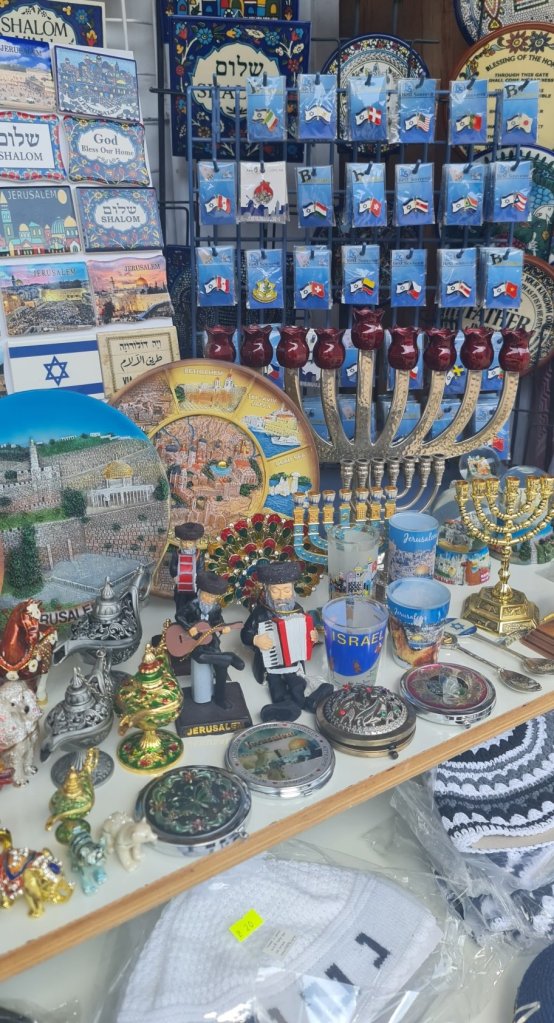
Let’s turn our heads to the sky and look at the Dome of the Rock, where the Prophet Muhammad ascended to the sky. Let’s touch the stone that Jesus Christ fell on while trying to carry his cross on his back. Let’s witness Haredi Jews with their distinctive clothes, hats, and hairstyles going to the Western Wall to worship.
Let’s start our journey…
If you asked me where is the center of the world, I would reply “Jerusalem”, and especially would point you to the holy land of the 3 monotheistic religions. Old City.
Although Jerusalem covers an area of 125km² today, the original Jerusalem is the Old City covering only 1 km² surrounded by walls by Suleiman the Magnificent.
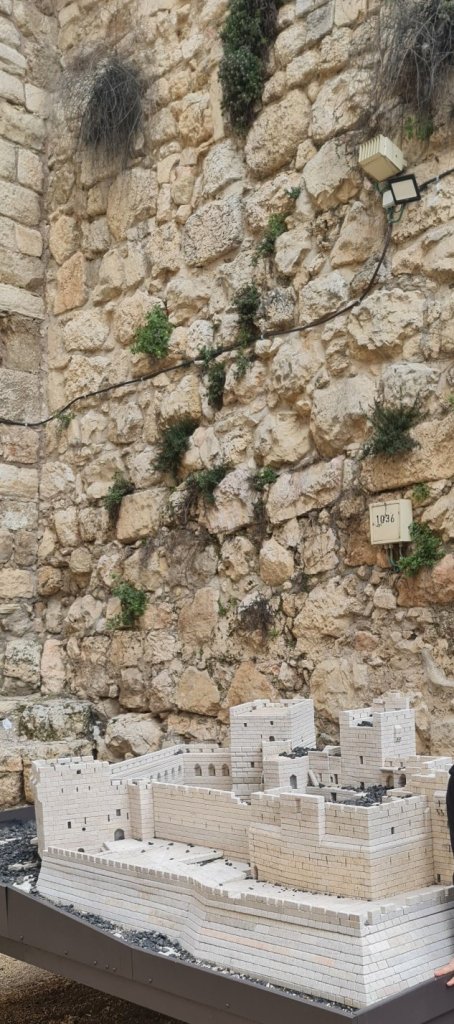
Miniature view of the Old Town
When you step into the depths of history through the gates of the walls, you can see the Jews who went to their temples, which they saw as their purpose of existence since 960 BC, only one street apart, the Christians who prayed at the places where Jesus took a step on his journey to God, and Muslims who go to the Kubbet-ul-Sahra, the first holy and representative of the ascension. You will witness three different people crying and praying in three different ways, with distances that will be measured only in meters.
This fact has never changed throughout history. Today, we still see this in every step we take. This historical city is Jerusalem itself.
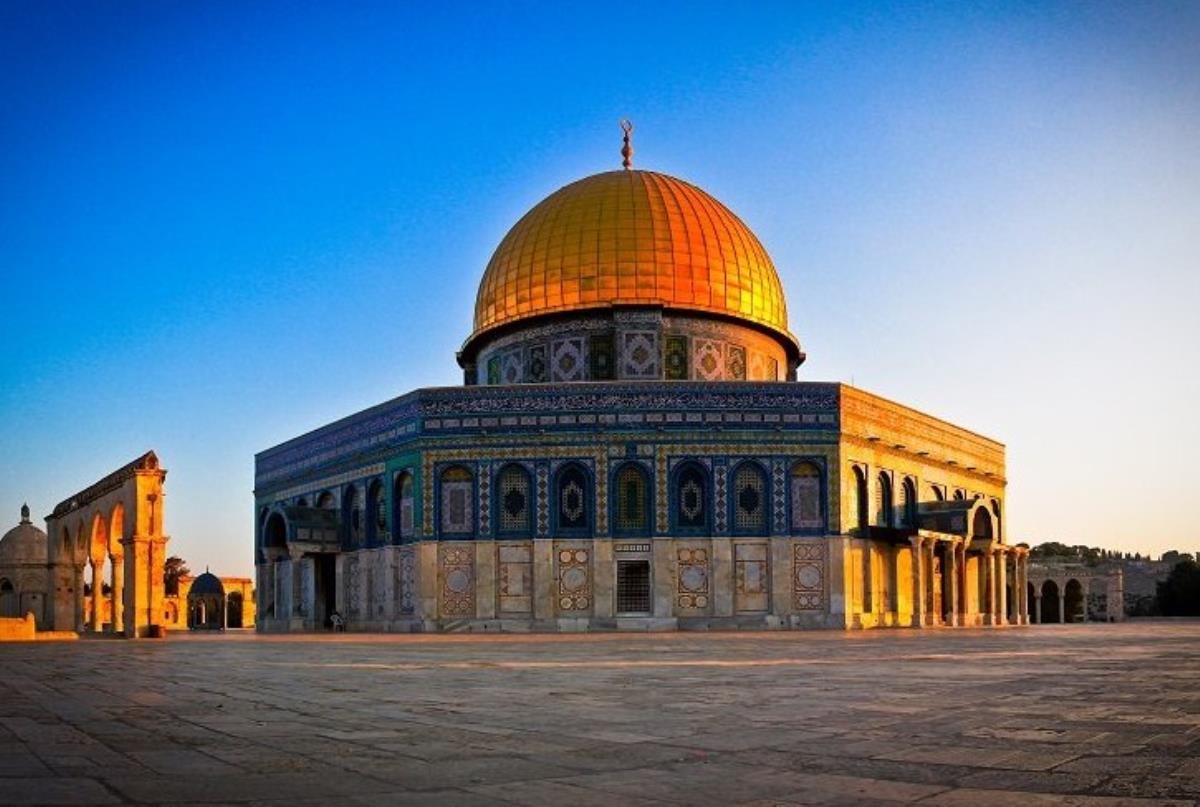
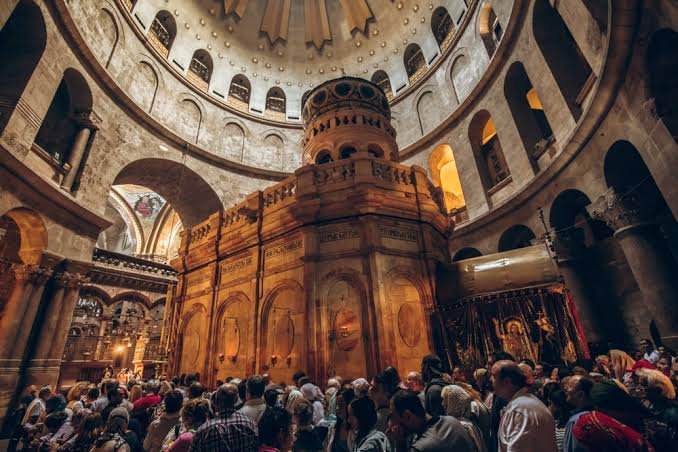
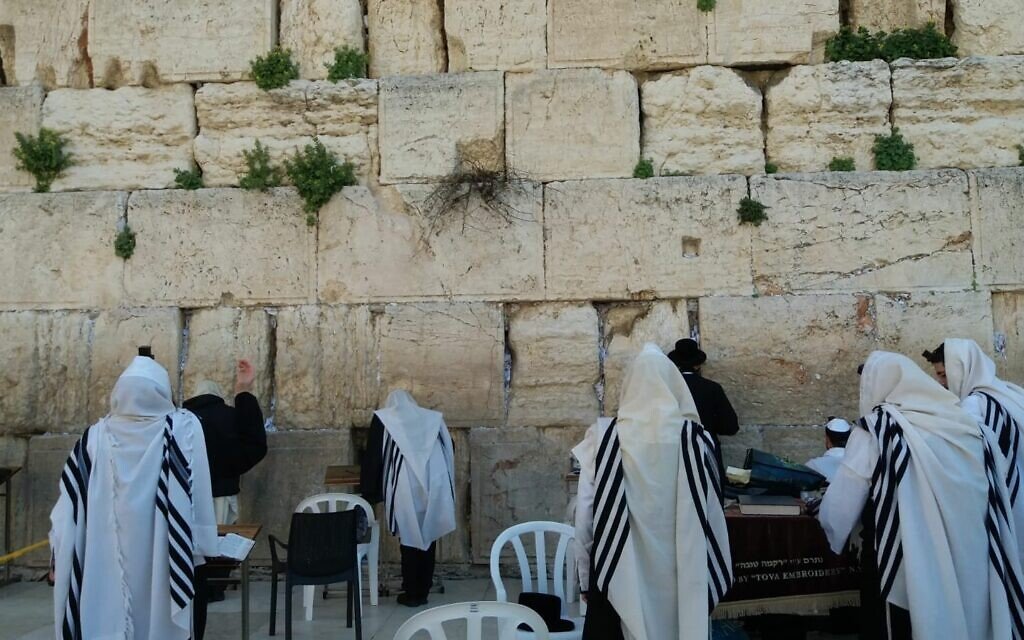
Yavuz Sultan Selim took over this city from the Mamluks at the beginning of the 16th century. After that day, this city has become one of the holiest places in the Ottoman Empire for 400 years. Suleiman the Magnificent, son of Yavuz, gave the most importance to this city.
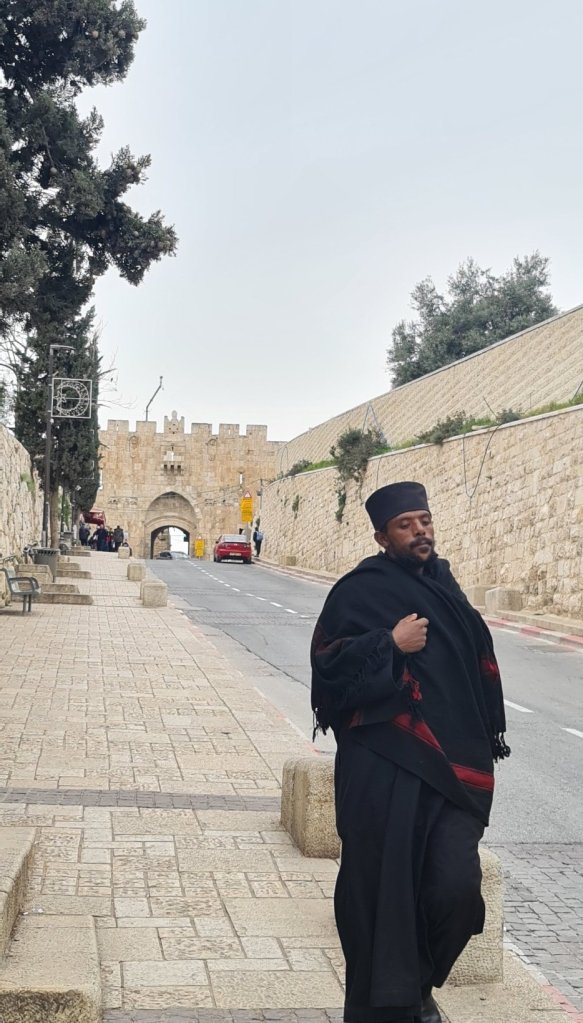
Suleiman the Magnificent, who saw two lions eating him in a dream one night as he couldn’t protect Jerusalem, ordered the city to be surrounded by walls, thinking that this was a sign that he could not protect Jerusalem. In addition, the Lion Gate, which we will see in the rest of the post, was built on this event.
First of all, the wall which is 4018 meters long and 12-15 meters high was built for the safety of the city. He also had the castles and water wells repaired and started a great development within the city.
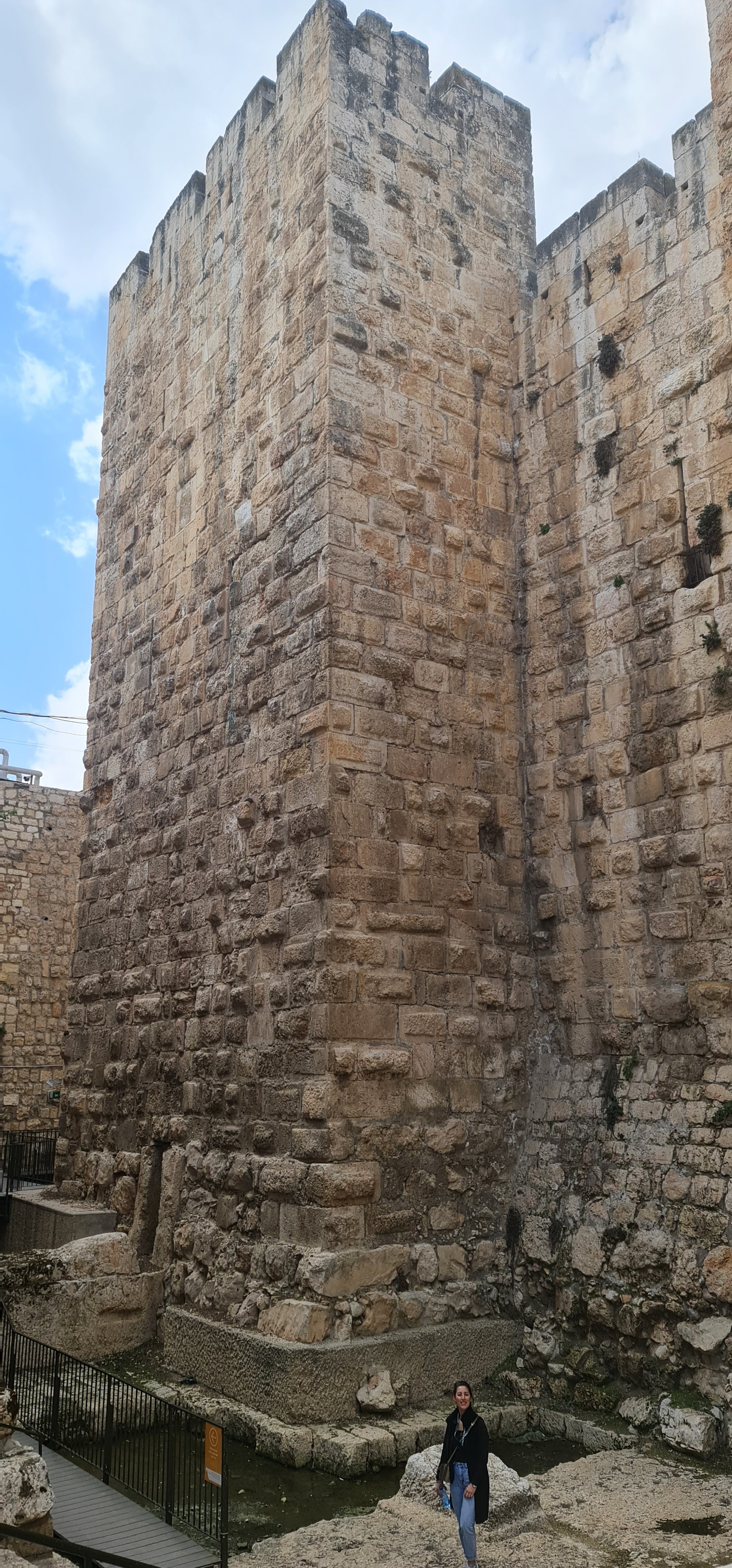
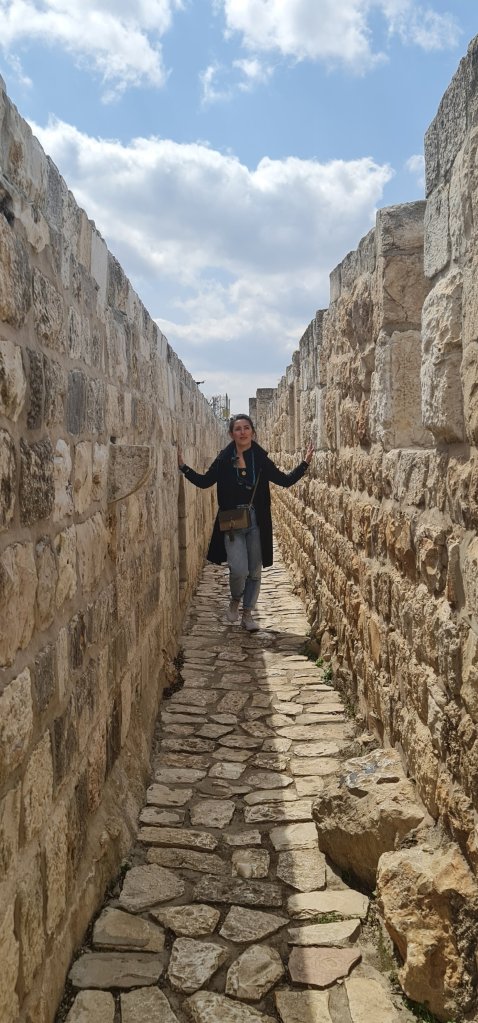
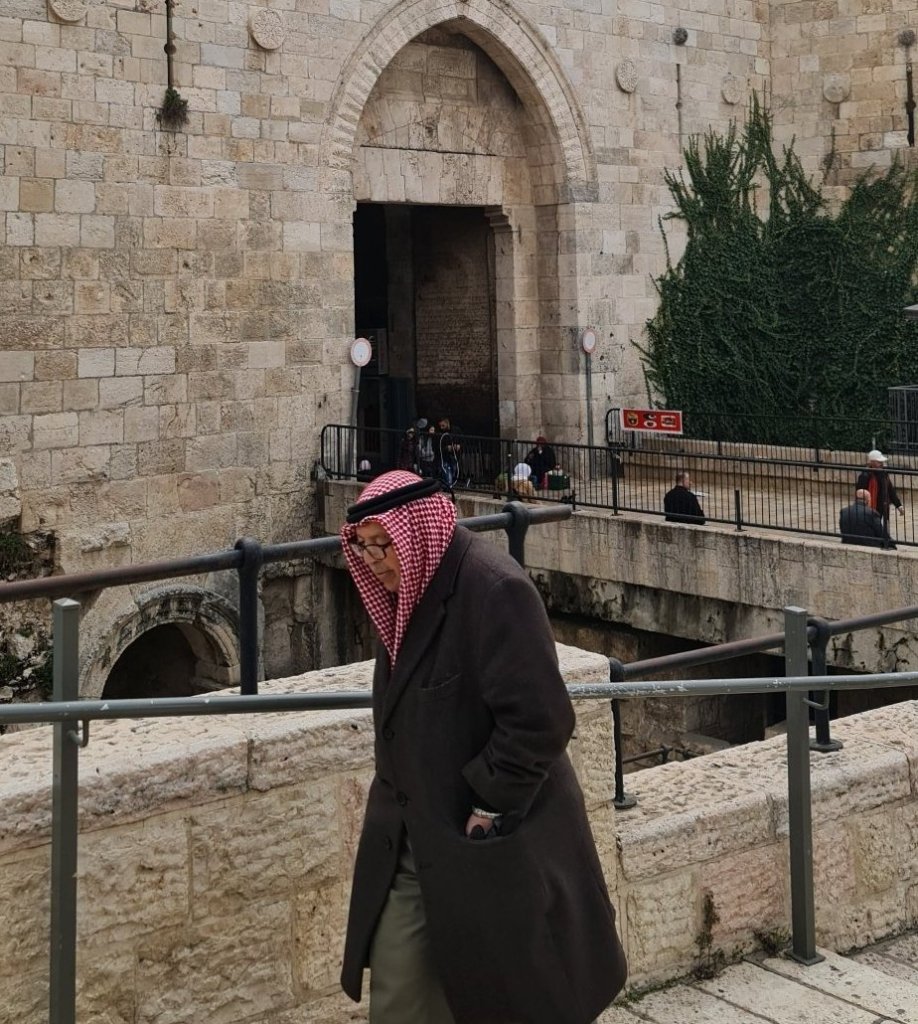
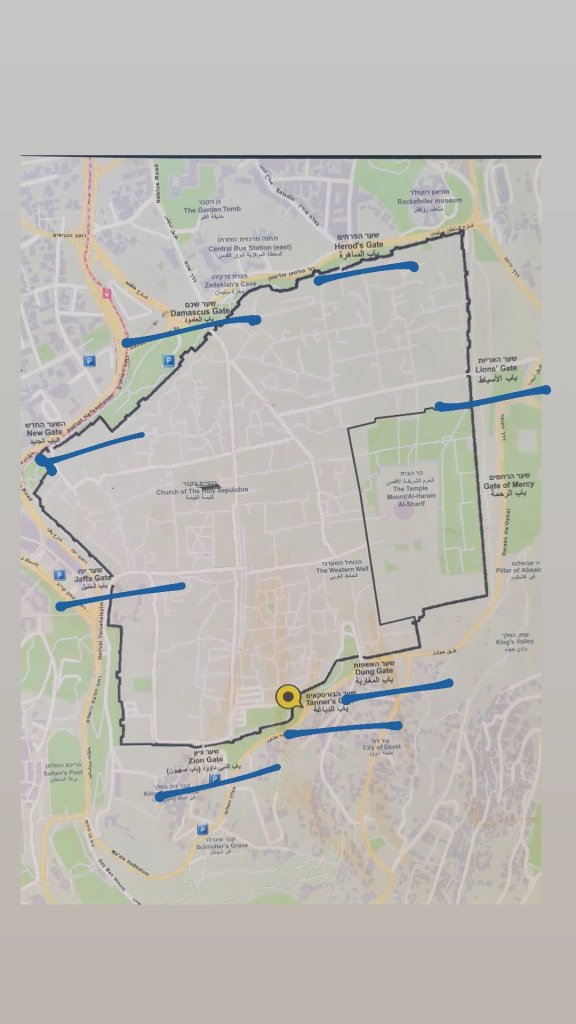
At that time, entrances and exits to the city were made through 6 gates. The doors opened with the sunrise and closed with the sunset. Each of these doors had a special meaning. For example; the ‘Gate of Yaffa’ opened to the road to Bethlehem, the birthplace of Jesus Christ. Therefore, while Christian pilgrims were entering the city through this gate in the west of the city, Muslim convoys would visit the office of Prophet Moses in Jericho (for detailed information about Jericho, you can read my post titled ‘The oldest city in the world’, Jericho) and use the Damascus Gate, which opens to Muslim Quarter.
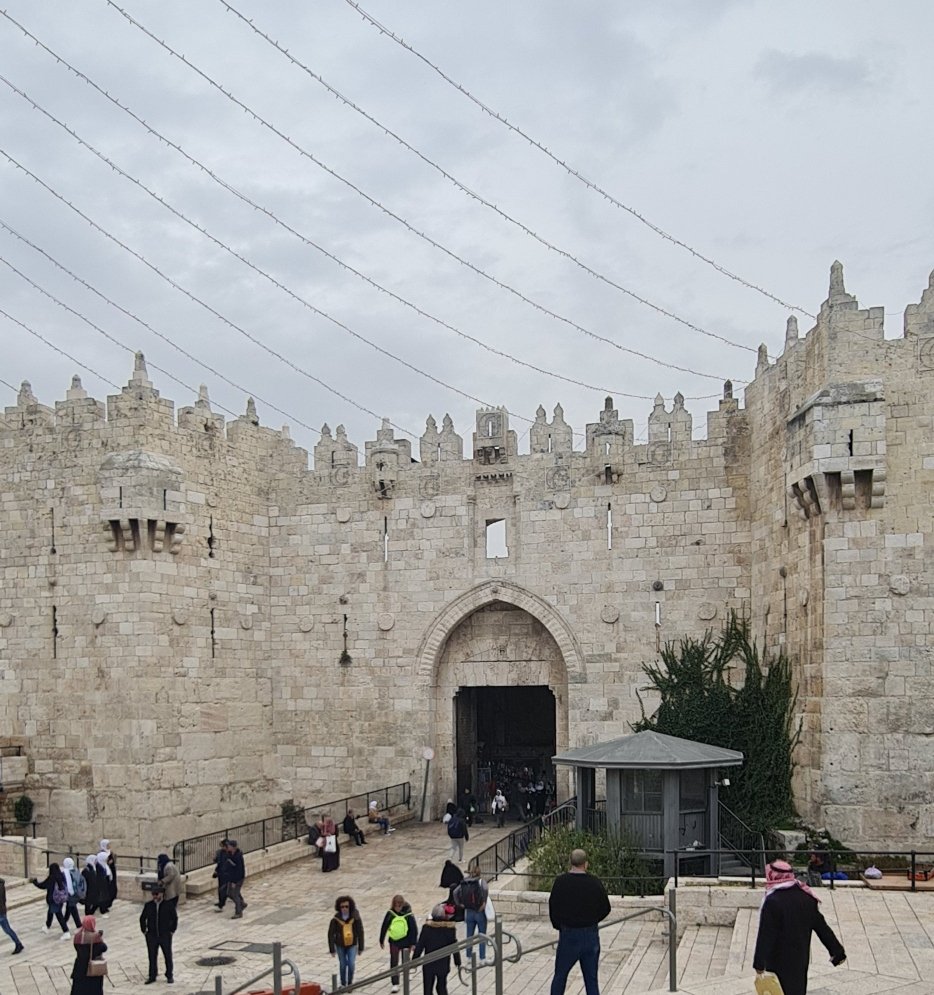
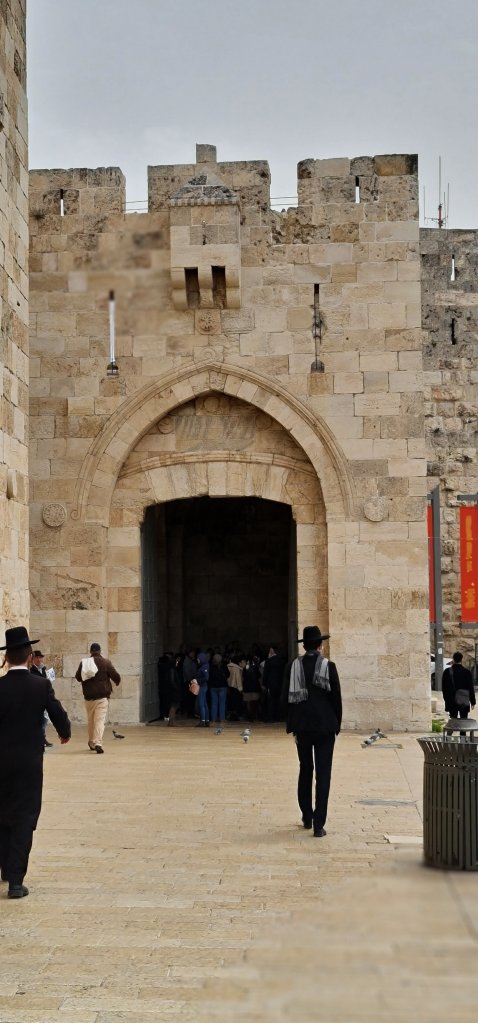
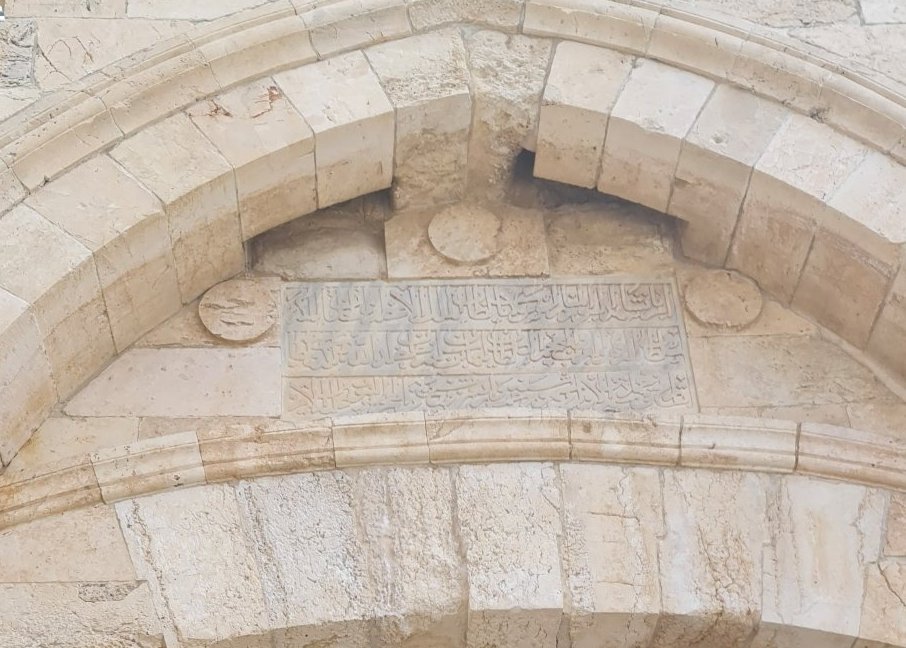
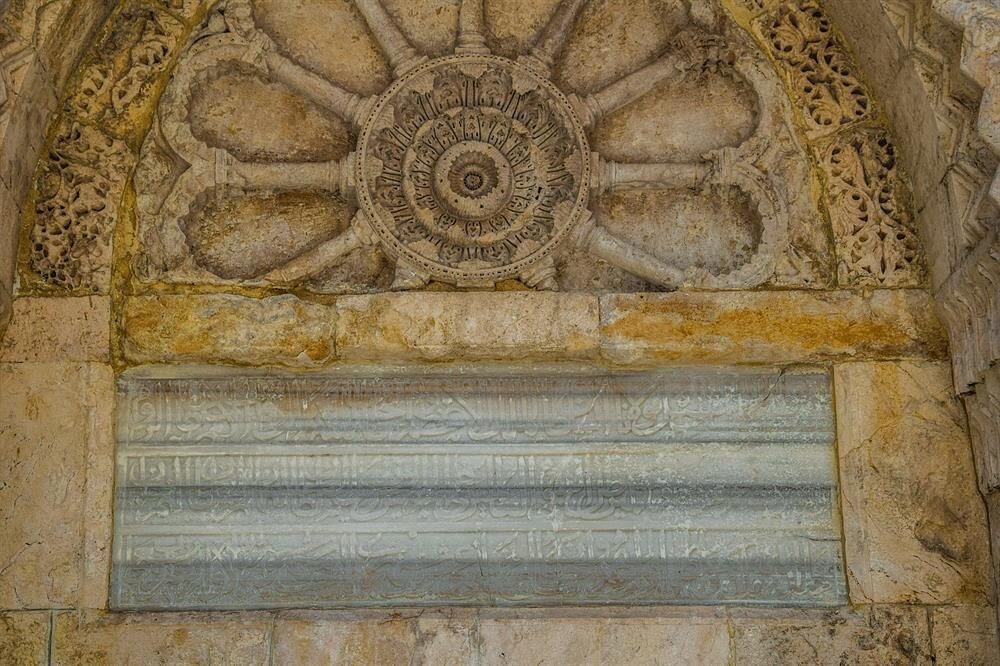
The meaning of the Arabic inscription on the Jaffa Gate: “This gate was ordered to be built in the month of Cumadilula (September) in 945 by Sultan Suleiman Han, the son of Sultan Yavuz Selim. There are sentences praising Sultan Süleyman. ‘May Allah bless his property. He is the caliph and sultan of the Arabs and the believers.’ Finally, in honor of the Prophet Muhammad; It says ‘Greetings to the owner of the hejira’.
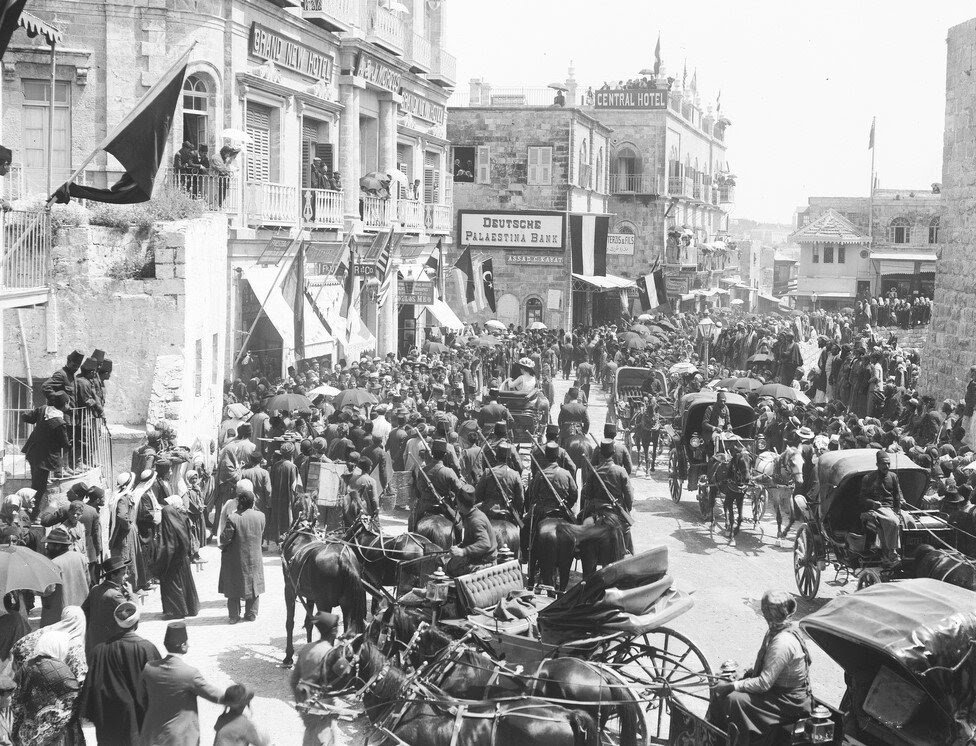
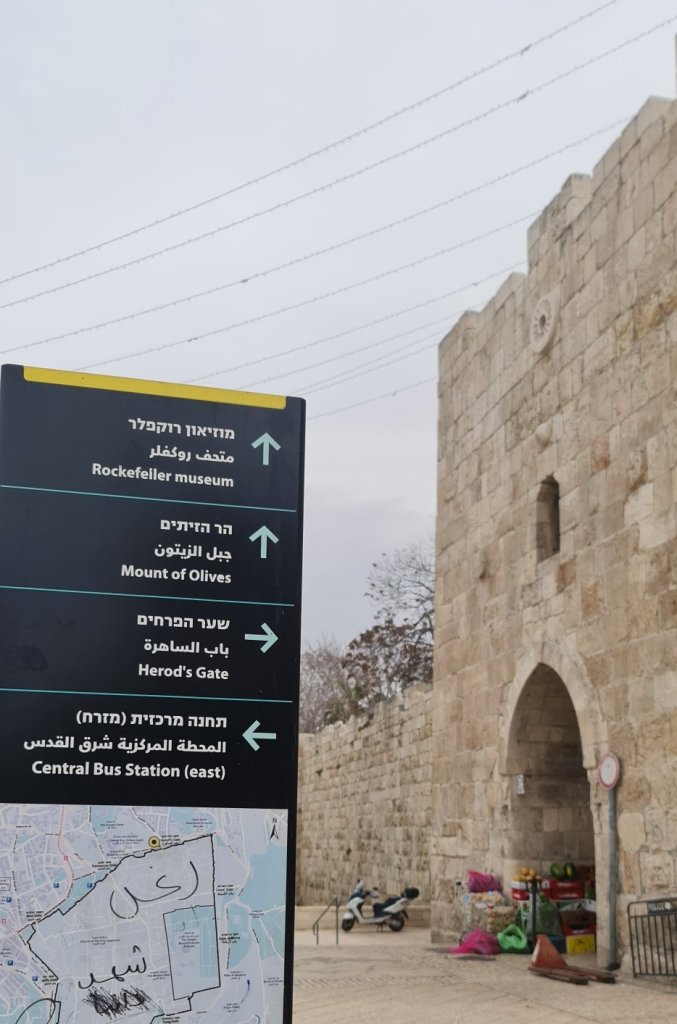
Saladin entered the city from this point when he was conquering Jerusalem in 1187. Because Saladin’s soldiers woke up at the entrance of the gate and fought here; The gate was called “Sahira”, that is, “those who stay awake”. In addition, the name of the street that leads to the point where the door opens out is, therefore, Selahaddin Street.
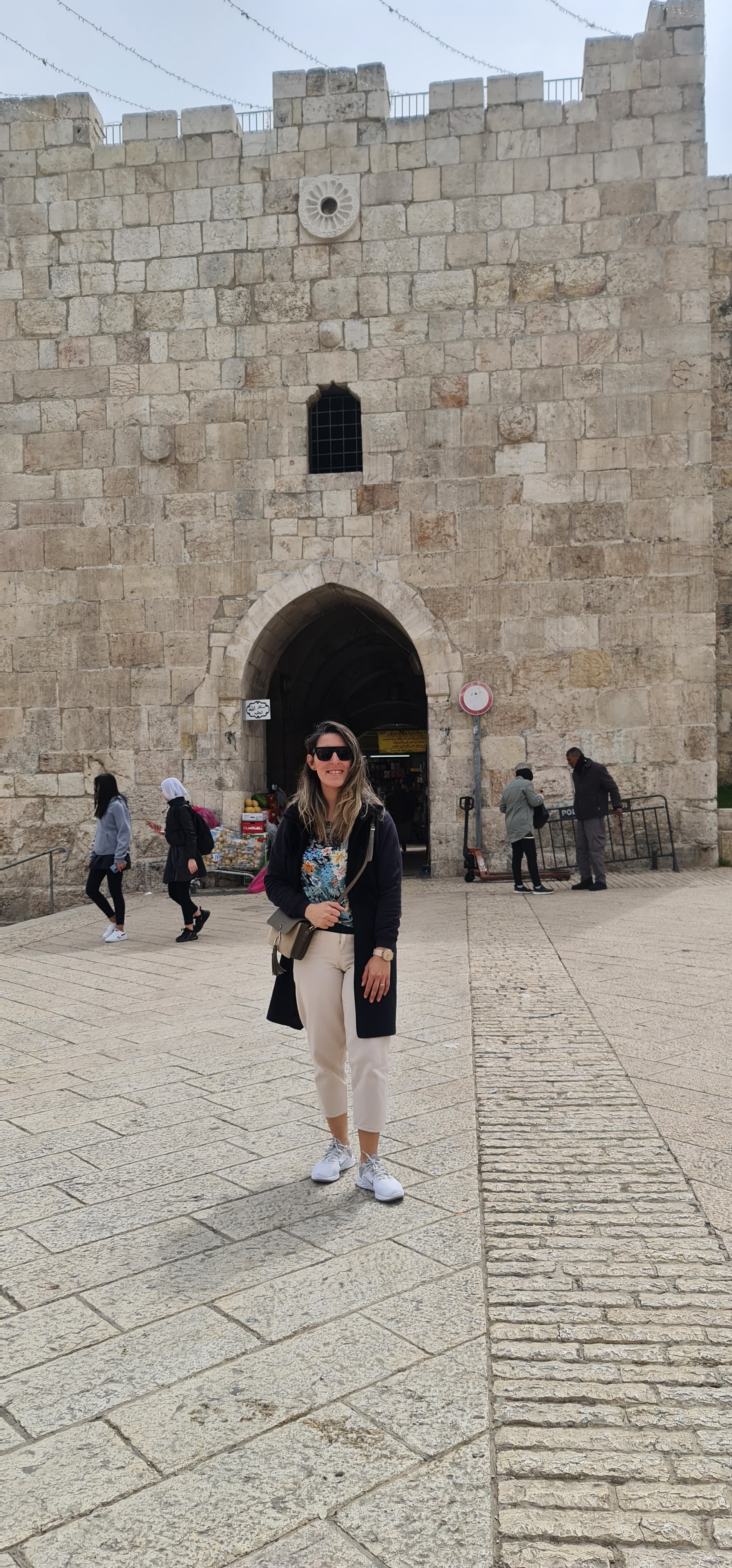
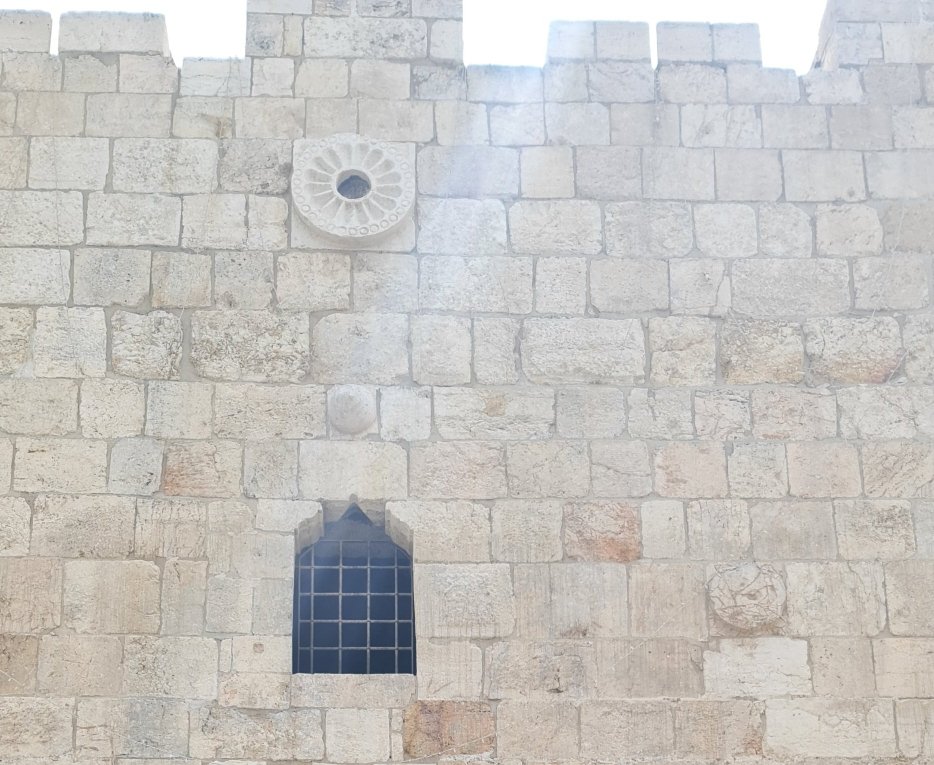
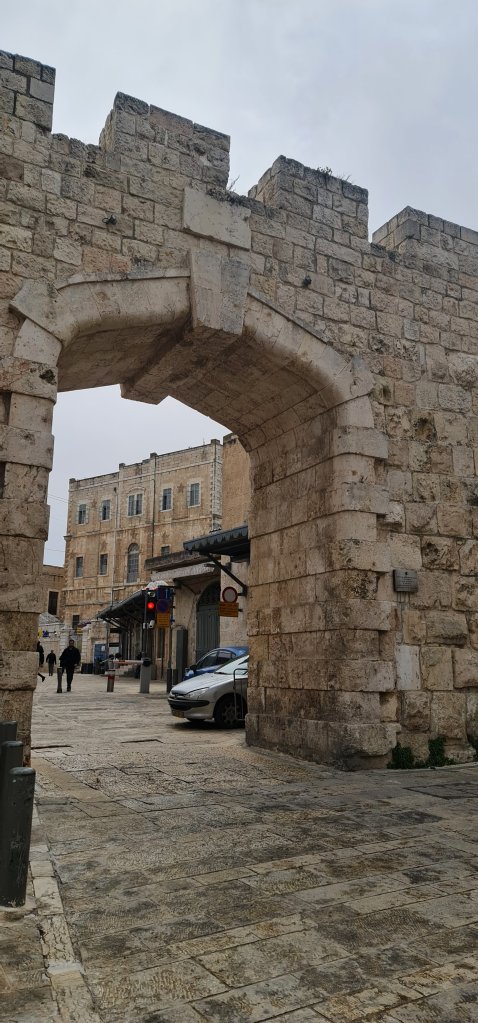
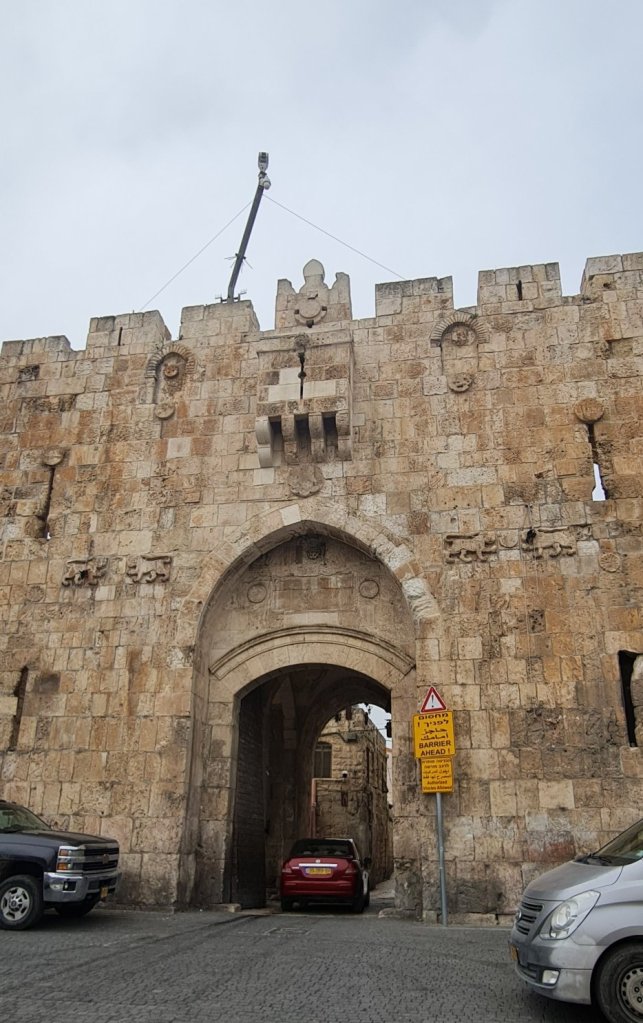
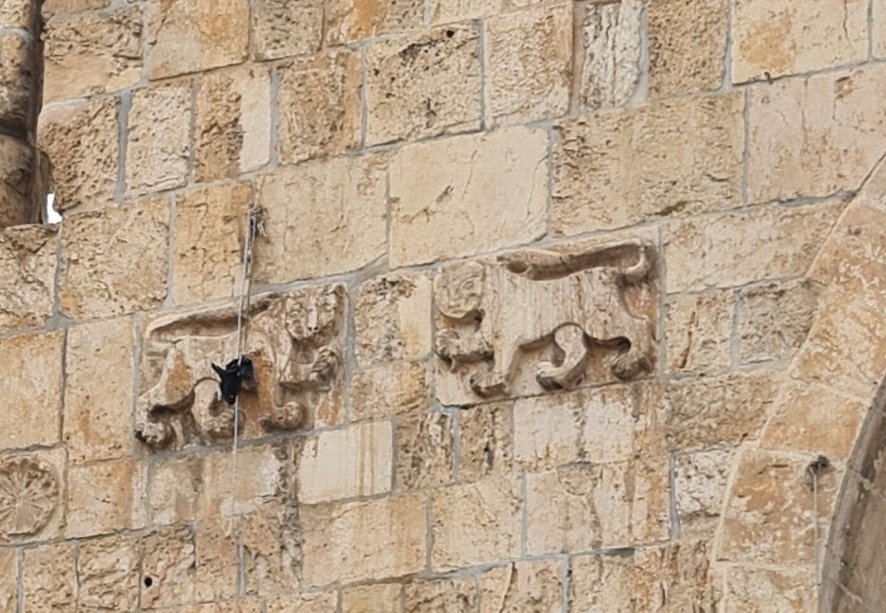
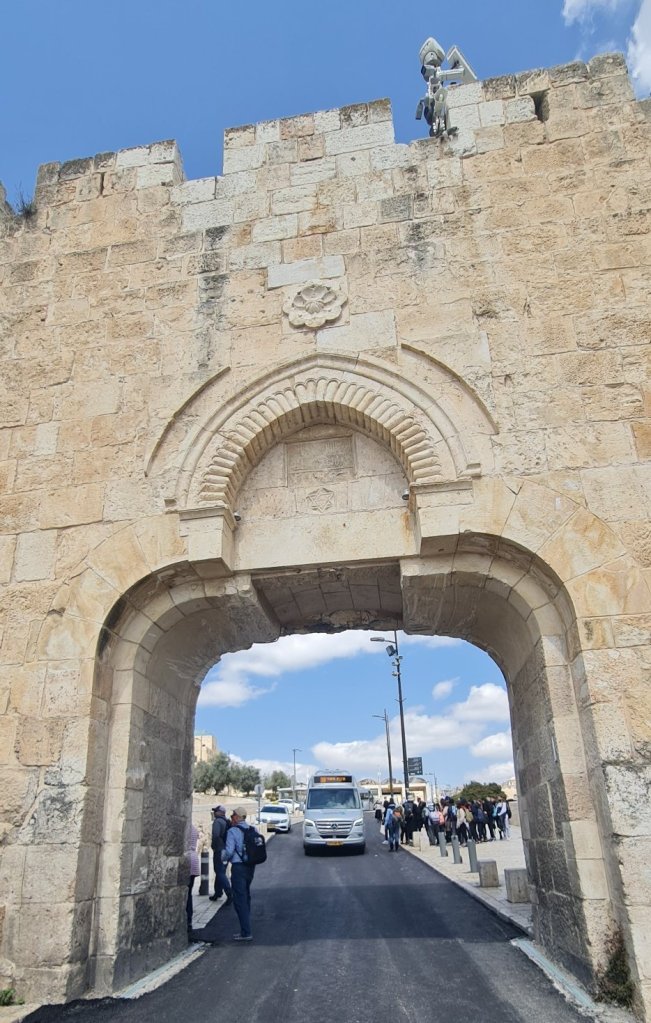
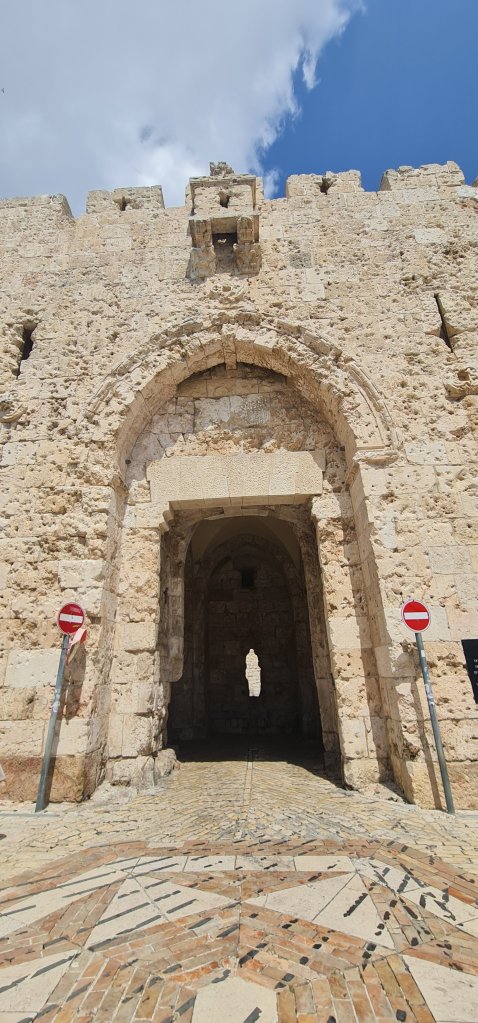
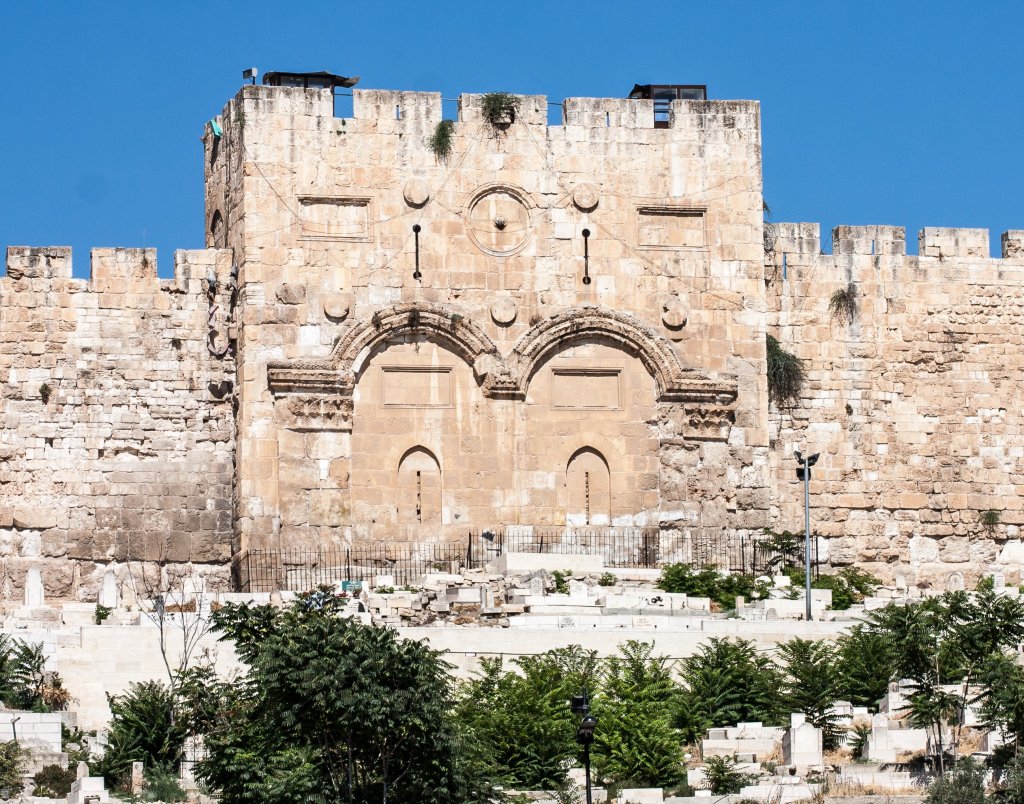
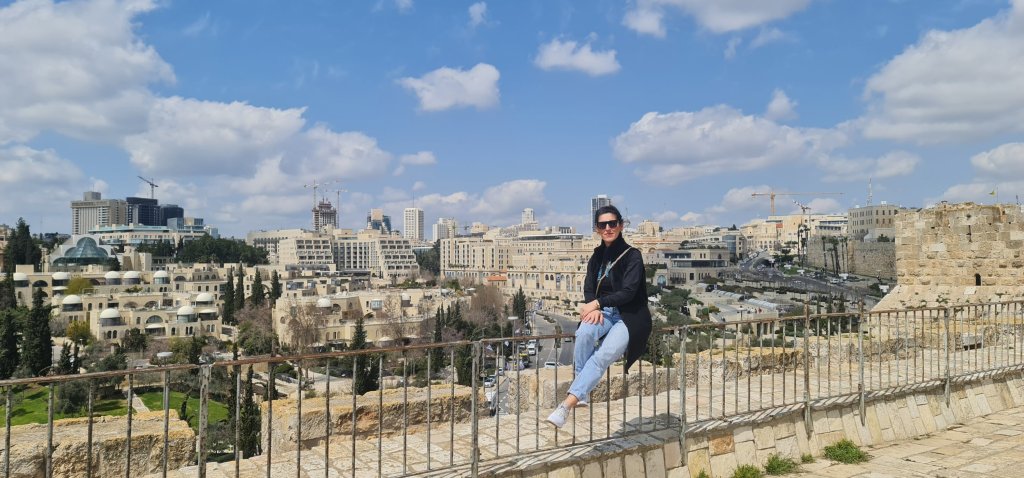
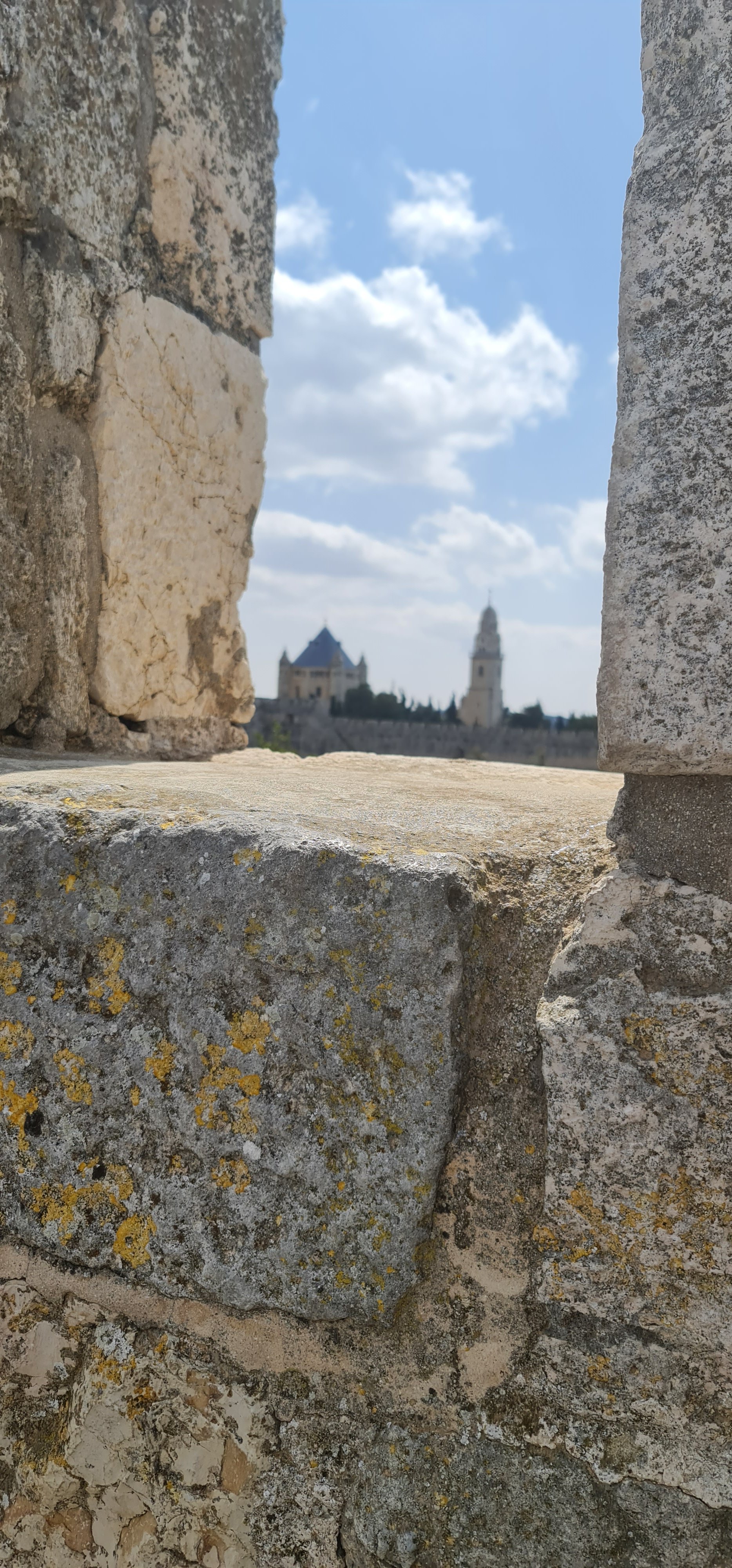
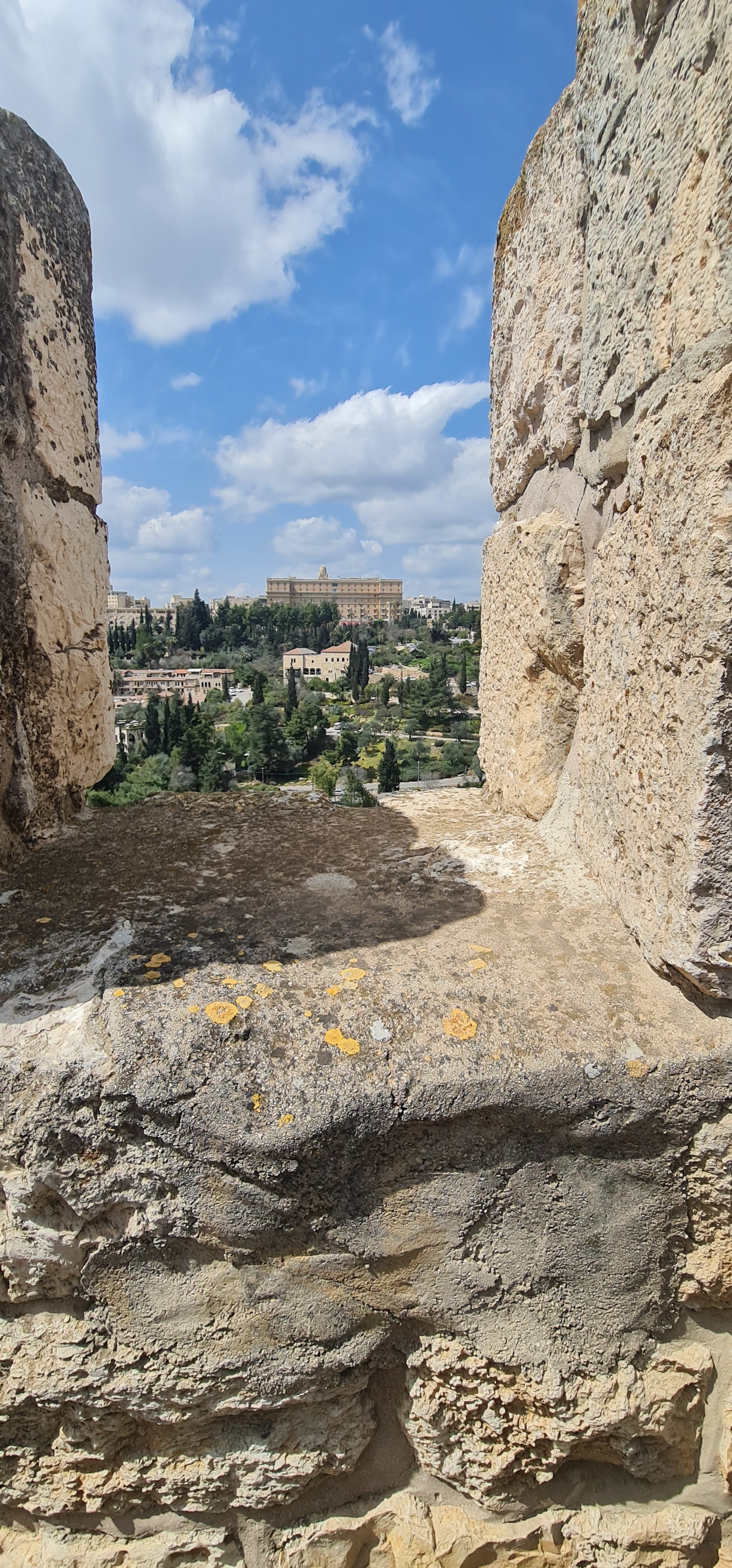
The best way to experience the splendor of the Old City’s gates is to take a walk on the walls. Let’s tour the walls together now.
It is time to enter the streets of the city. The old city consists of 4 parts. The Muslim Quarter, The Christian Quarter, The Jewish Quarter, and The Armenian quarter. We will cover each of these regions separately each week, starting with the Muslim quarter.
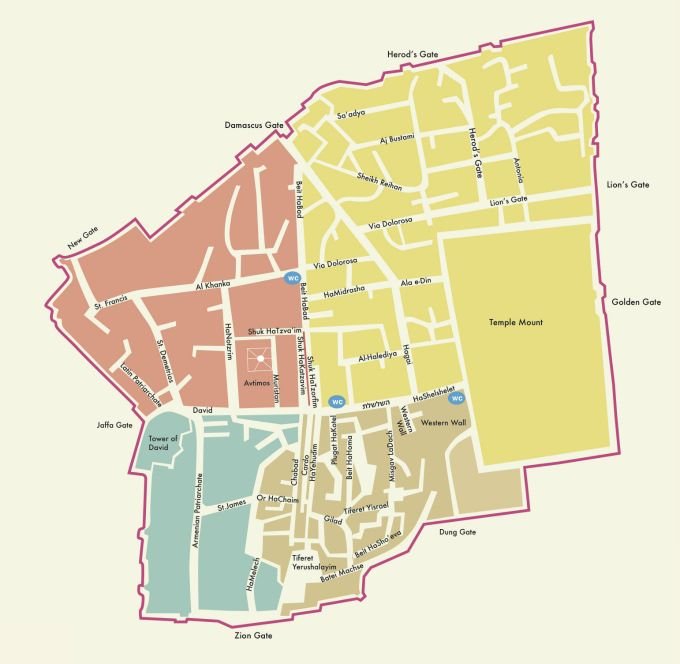
Red ; Christian Quarter
Brown ; Jewish Quarter
Blue ; Armenian Quarter
Although the quarters seem to be separated by borders, in fact, everything is intertwined. It is very likely that you will come across a Christian who performs the pilgrimage in the Muslim Quarter, and a Muslim who goes to the mosque in Christian Quarter.
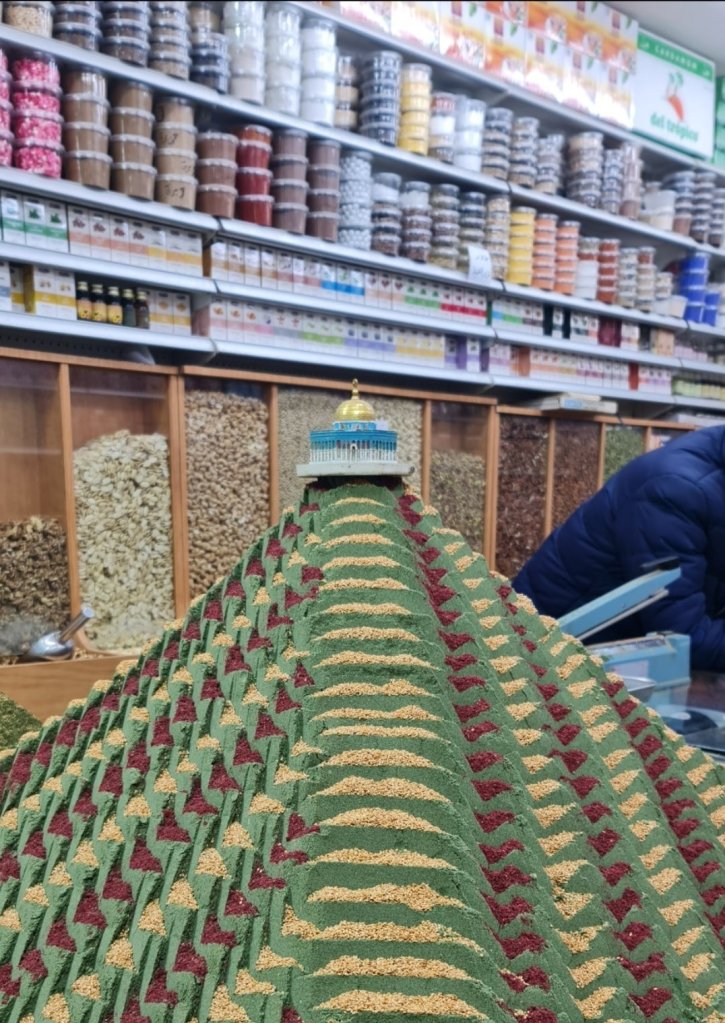
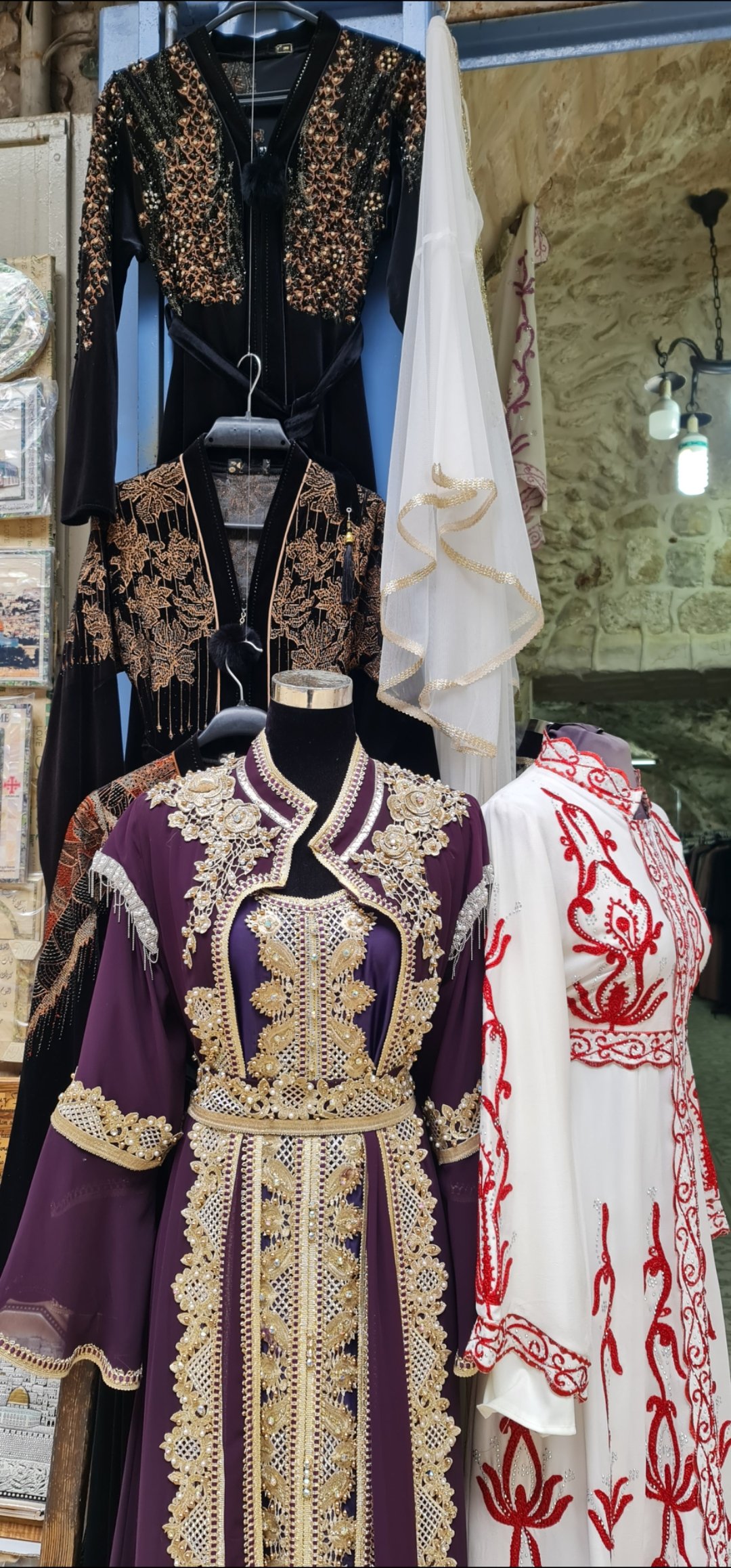
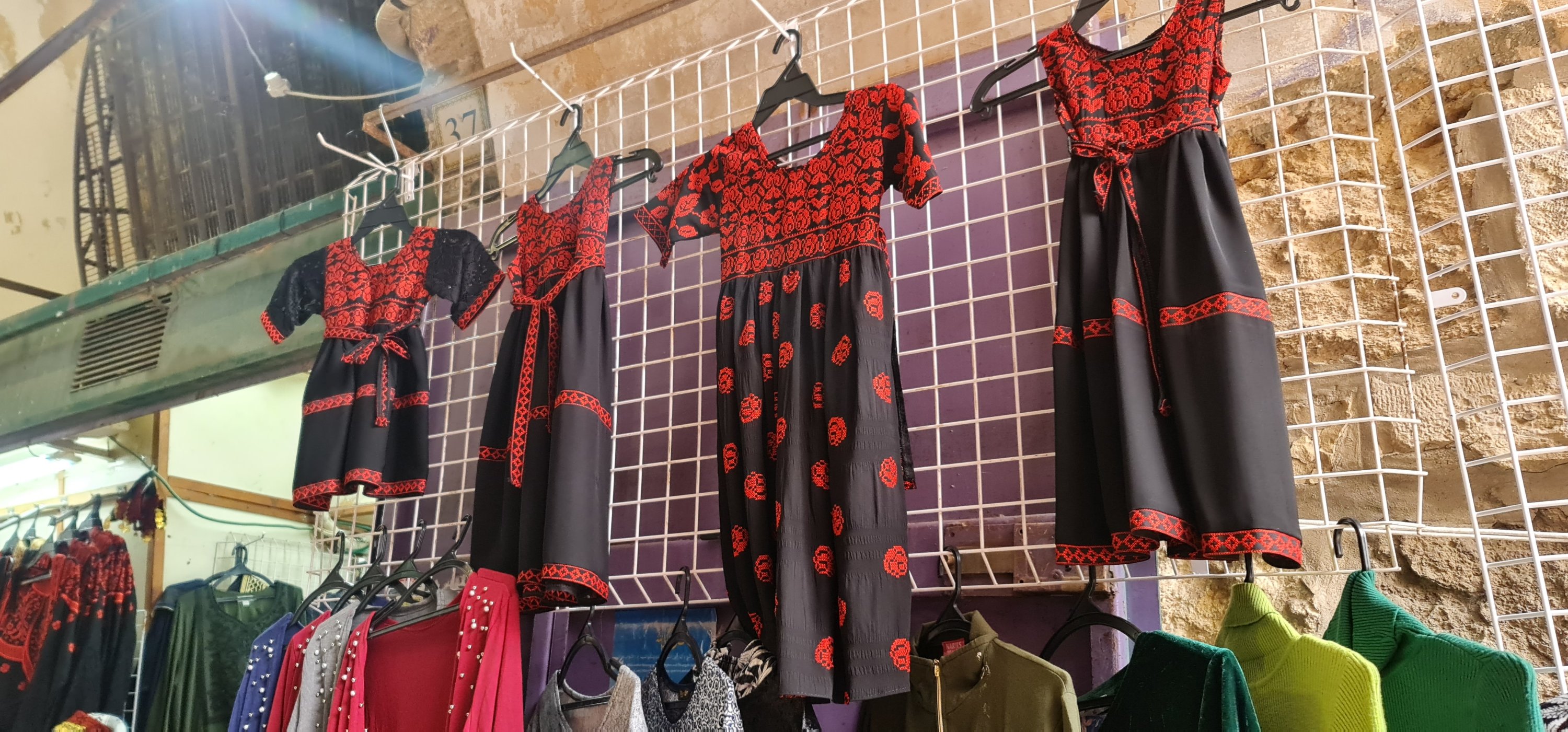
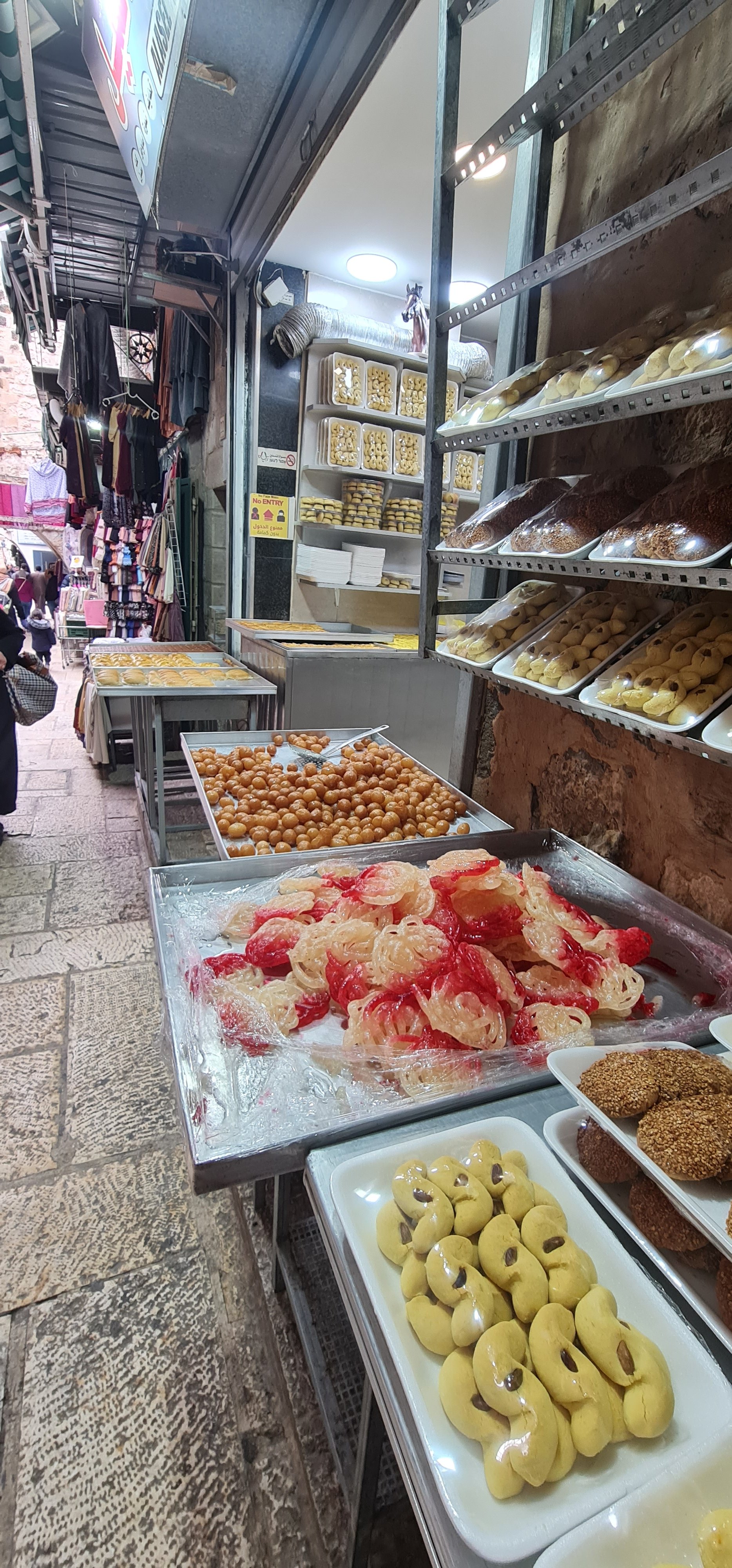
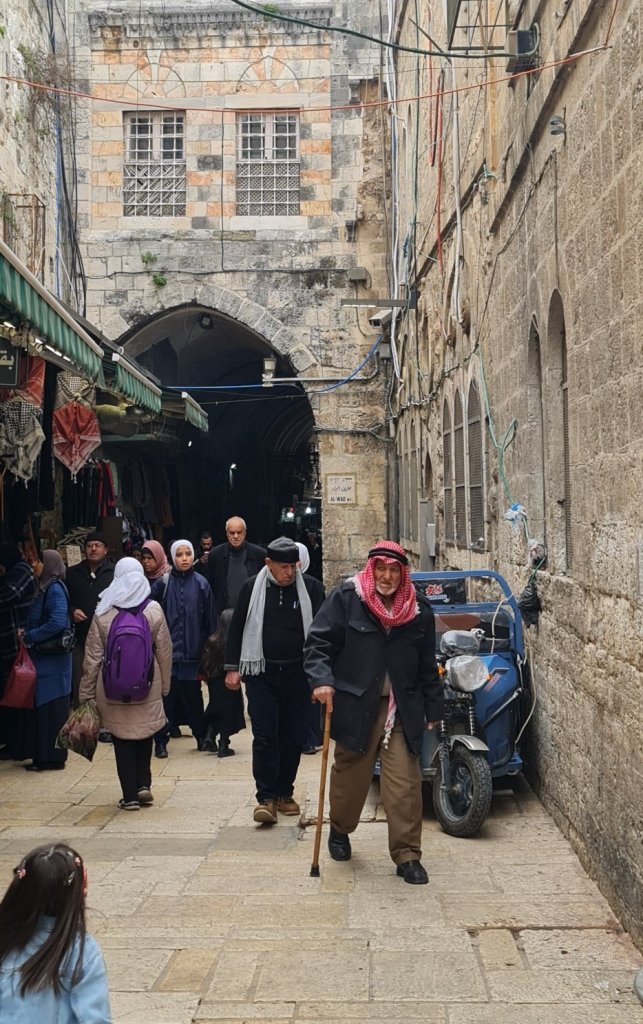
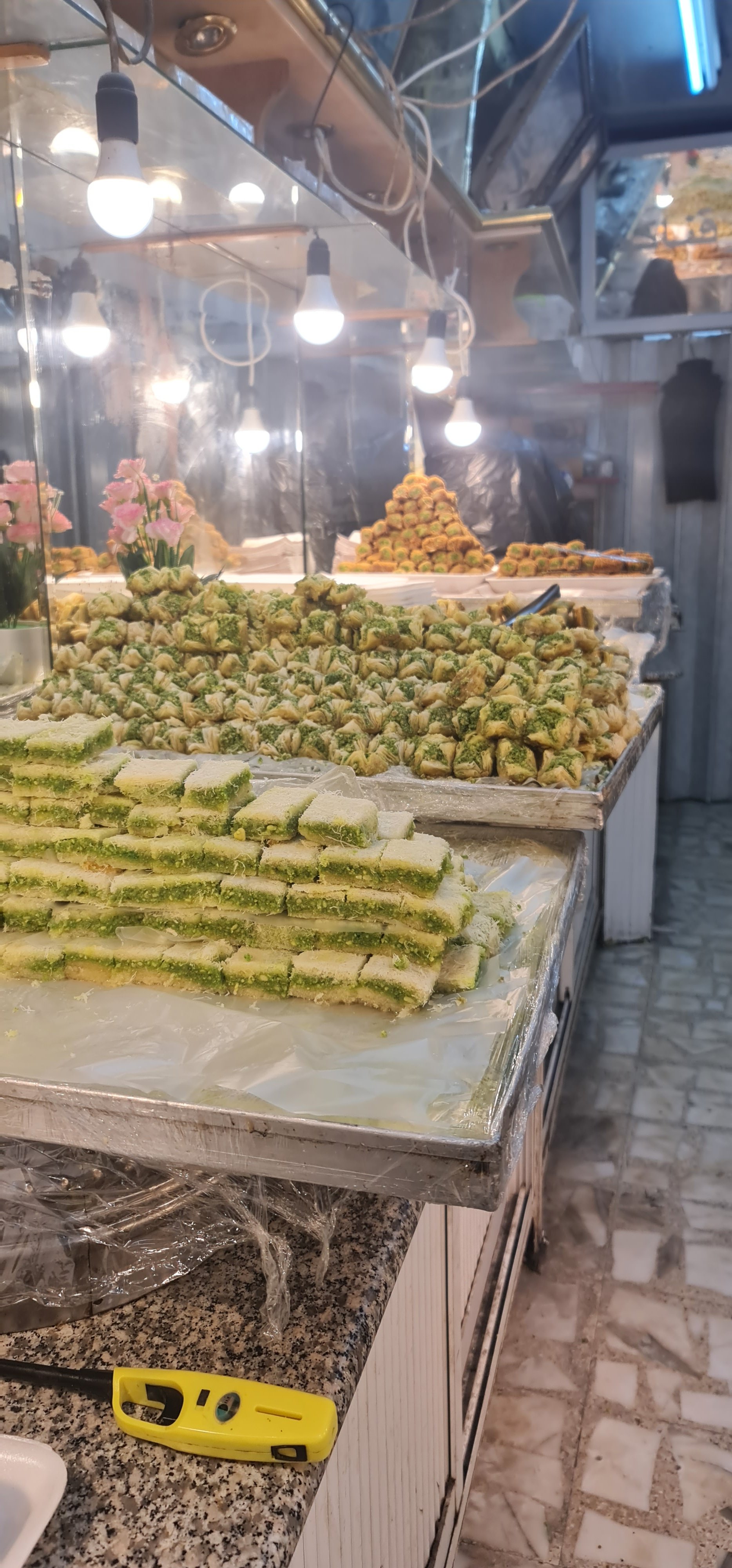
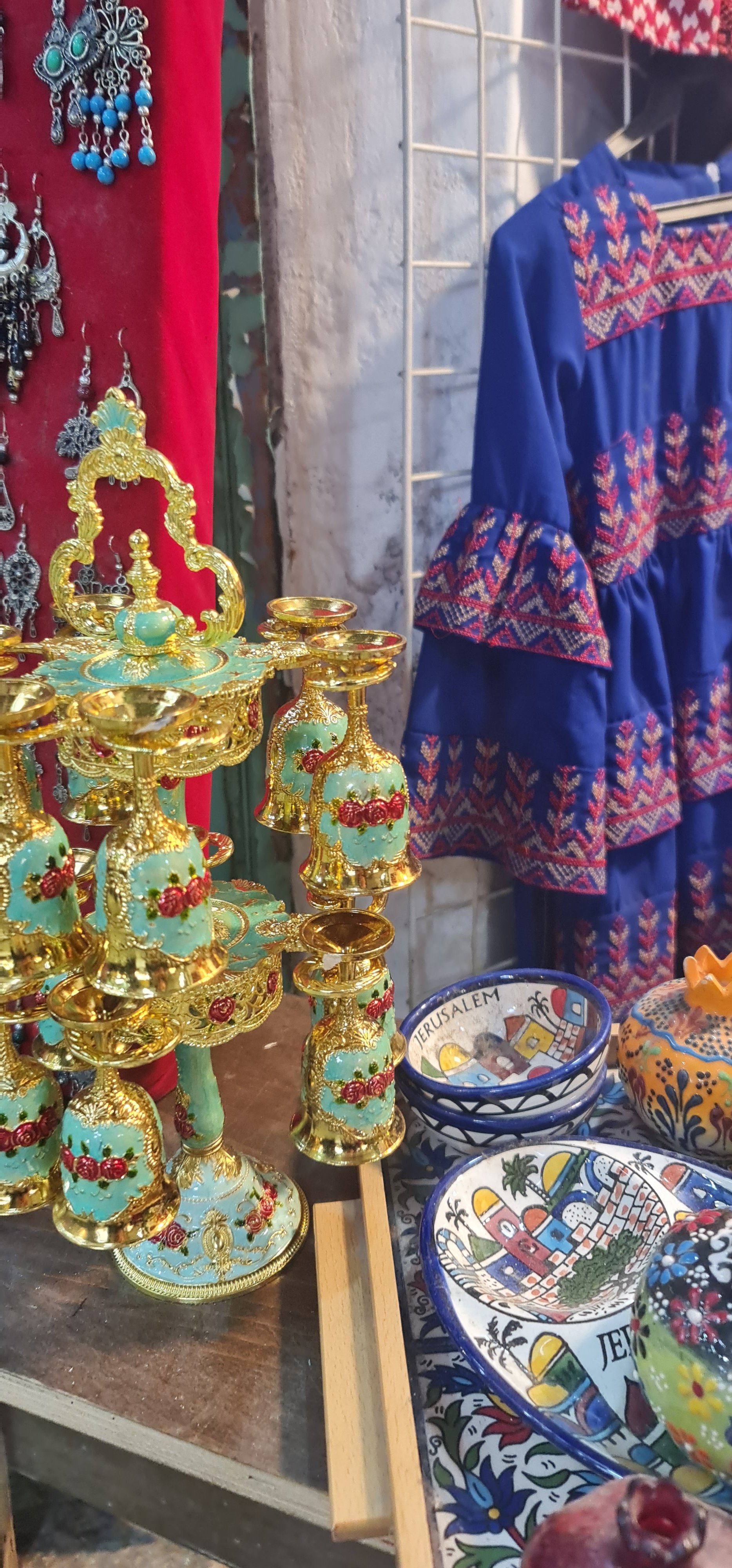
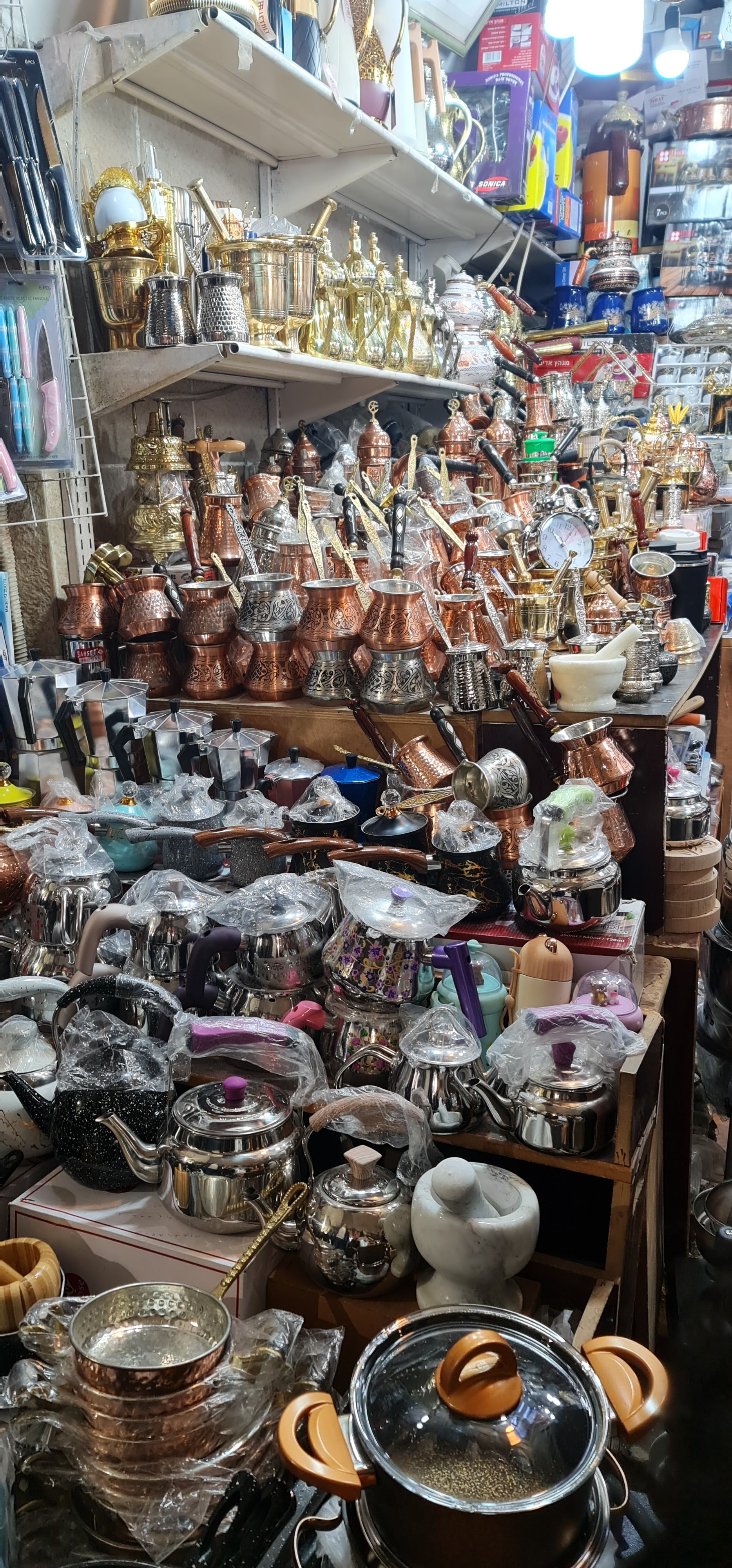
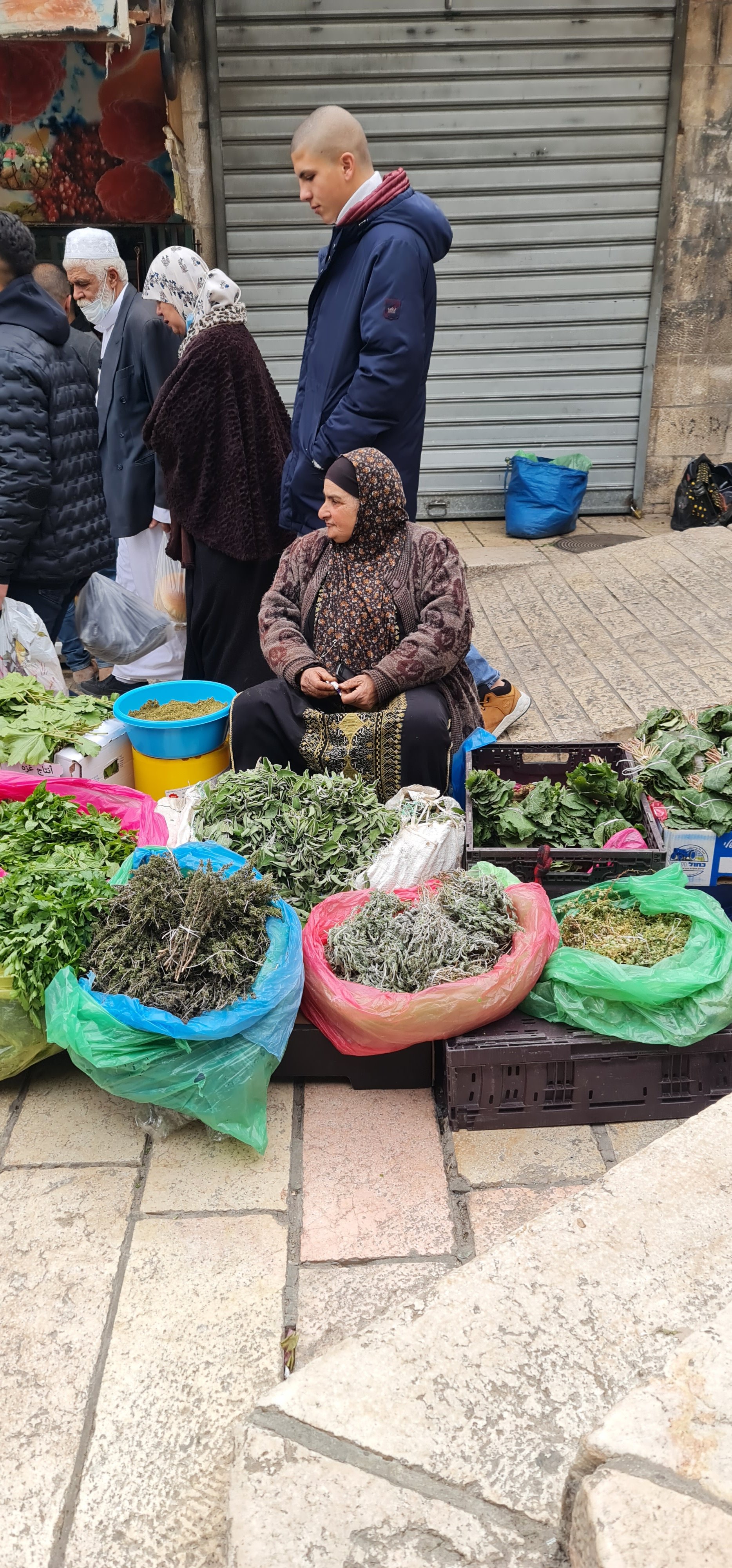
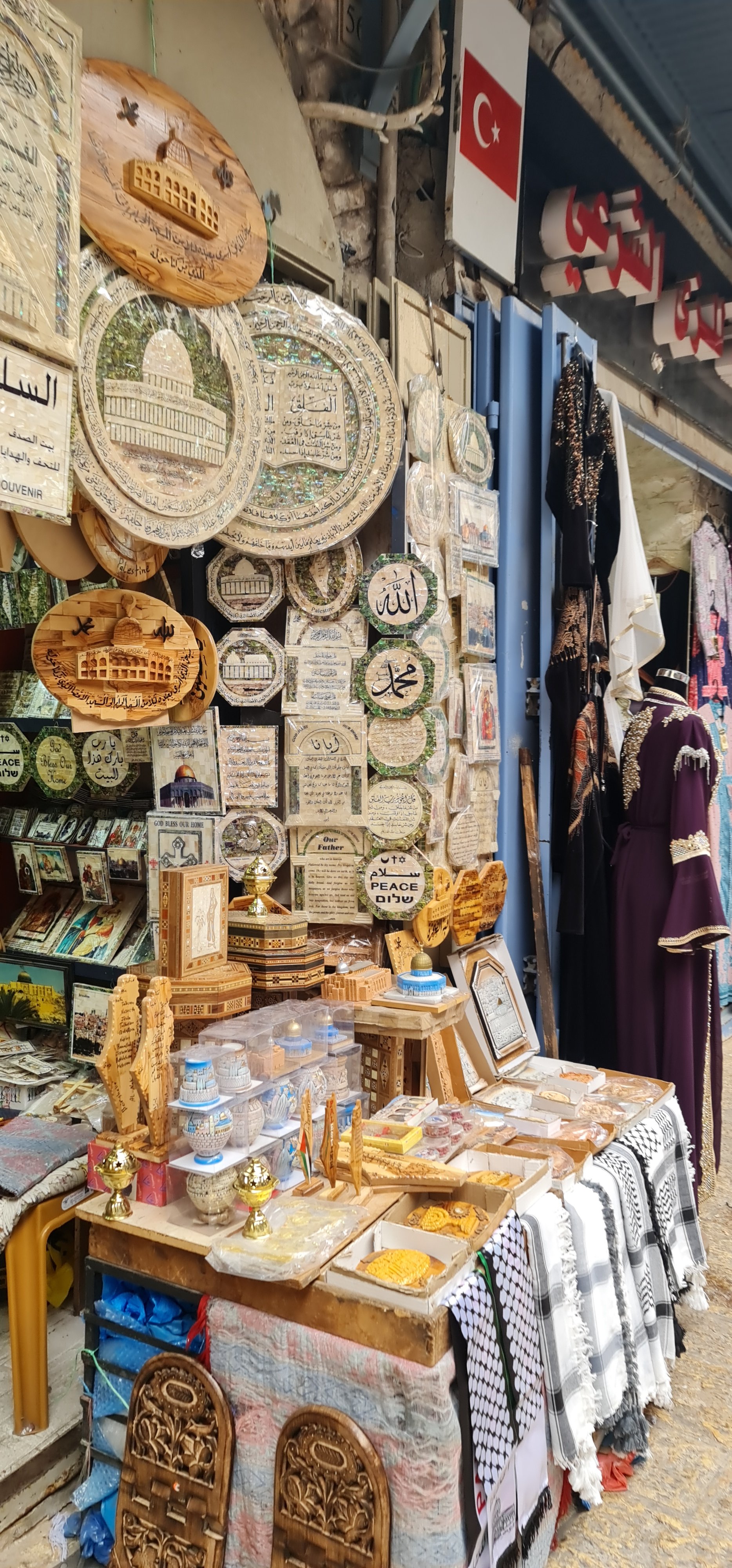
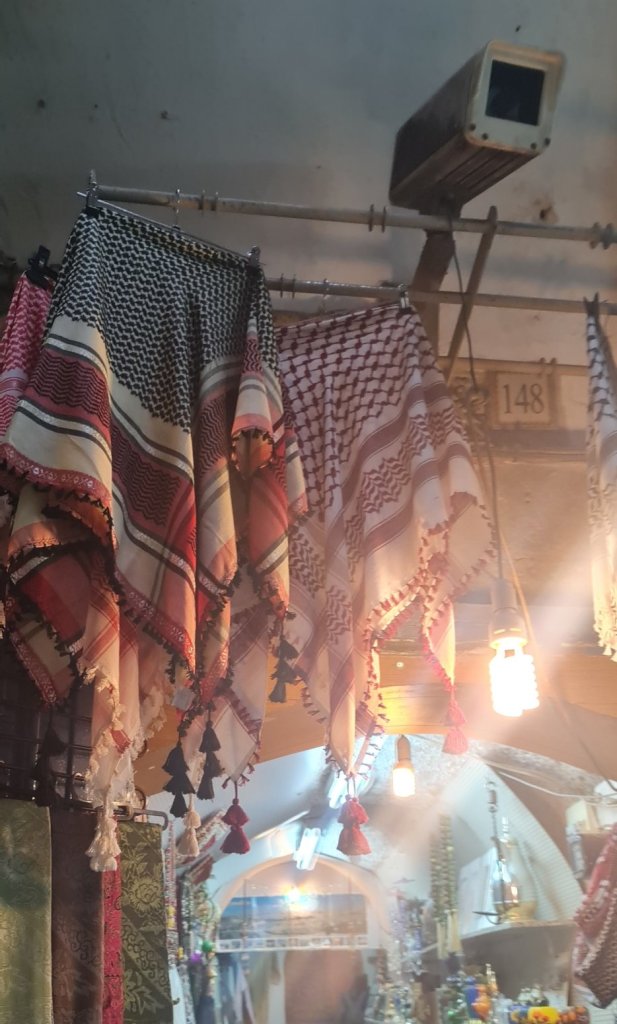
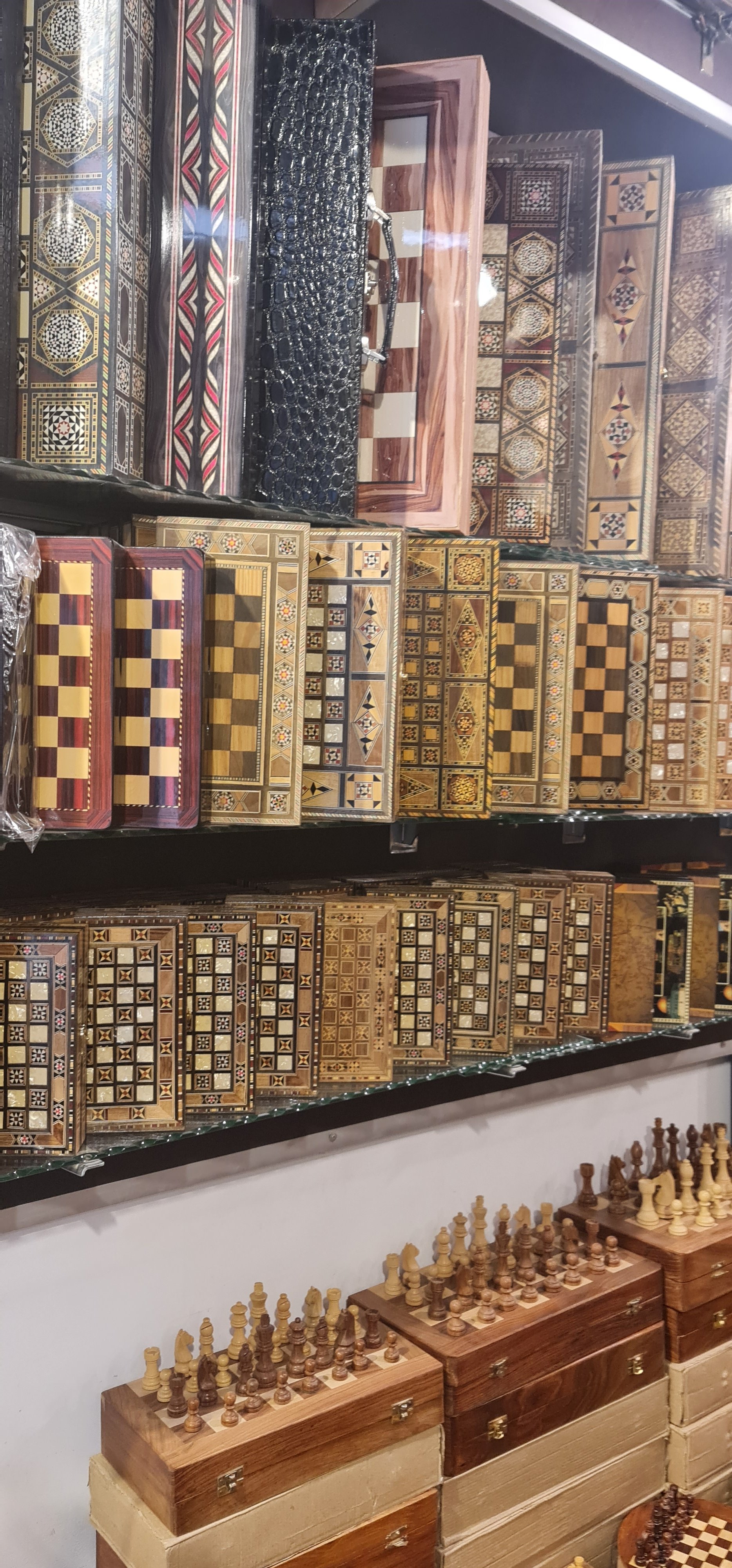
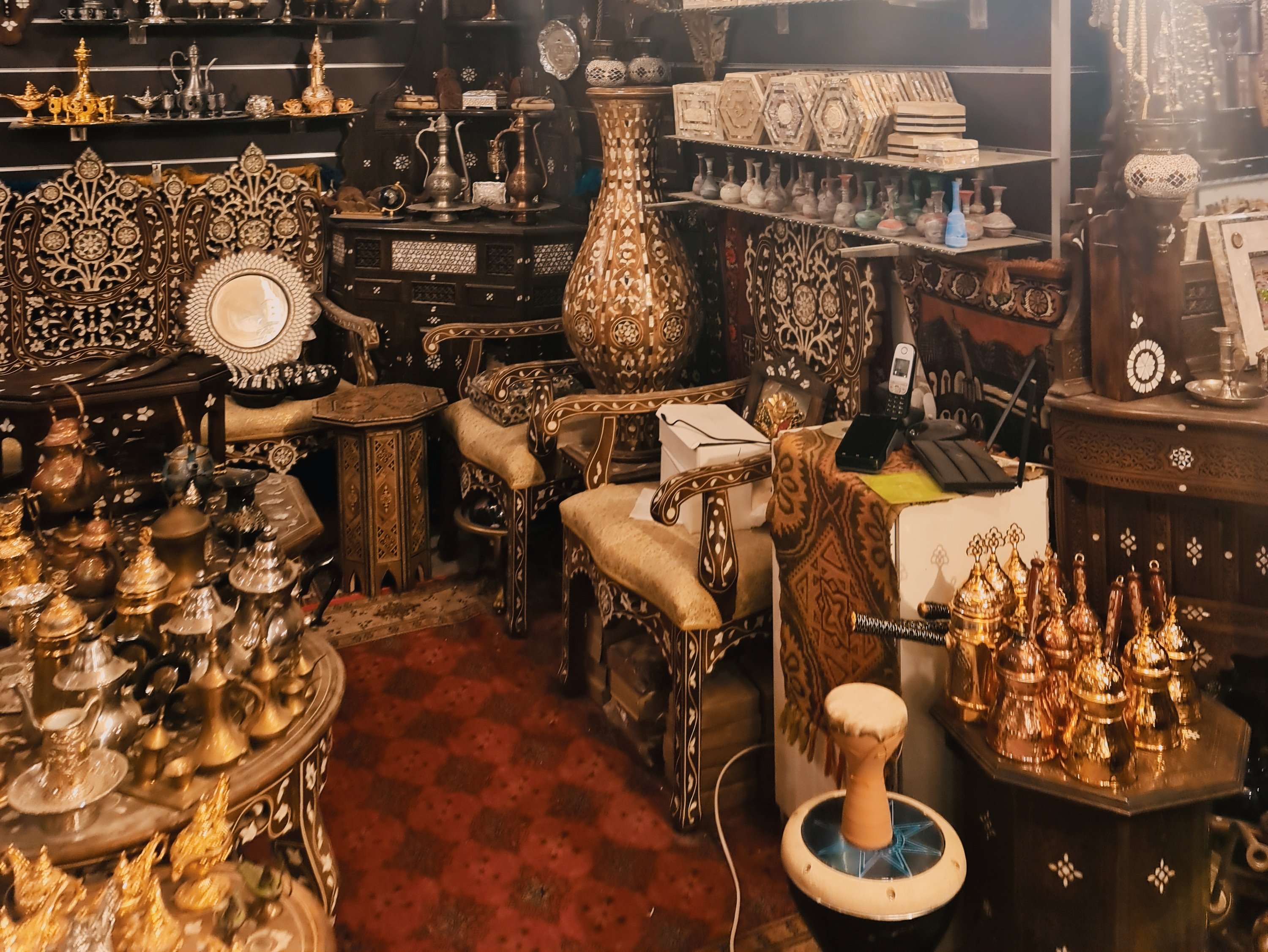
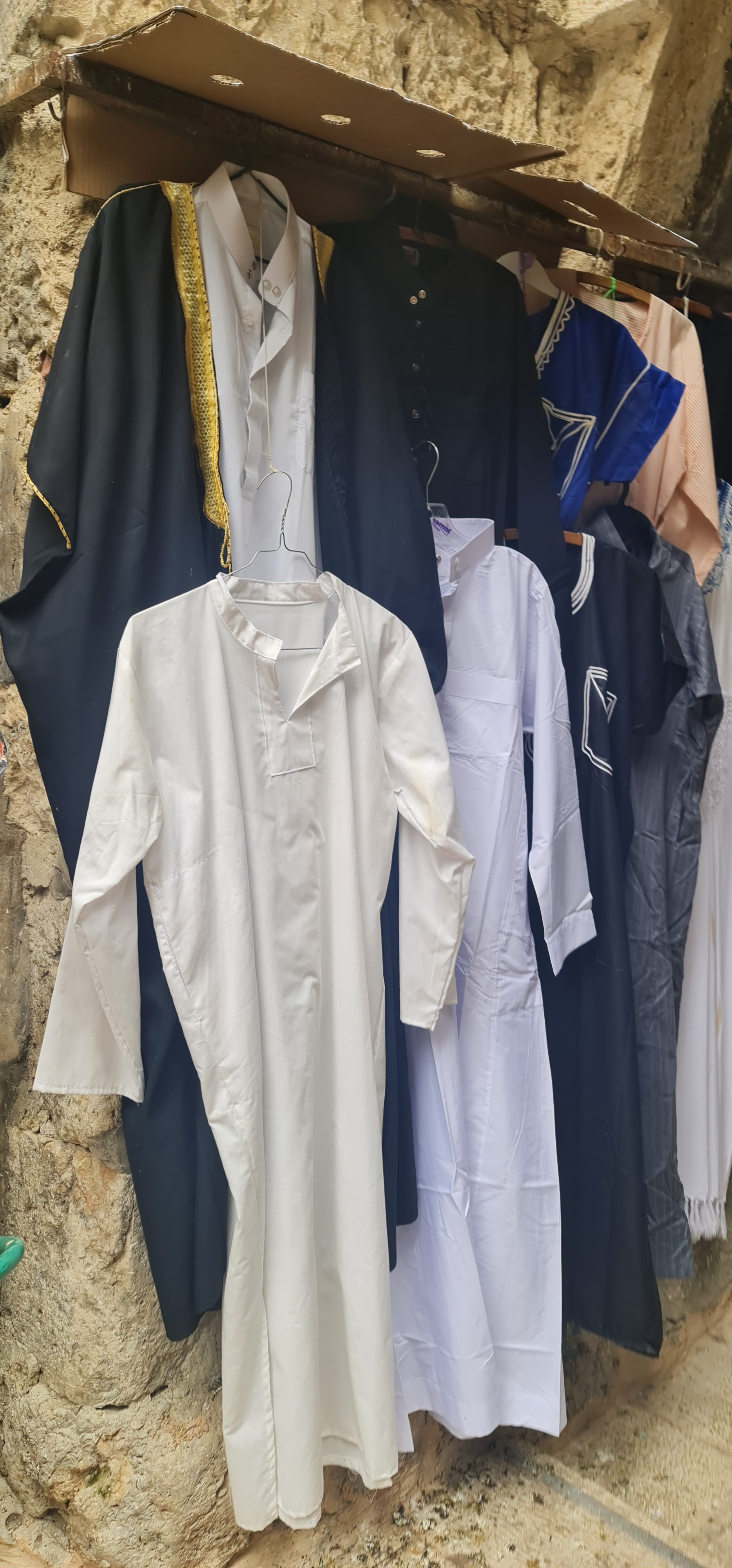
The largest part is the Muslim Quarter, which includes Al-Aqsa. While walking through the narrow streets of the Muslim Quarter, I feel as if I were in a historical bazaar of our Anatolia.
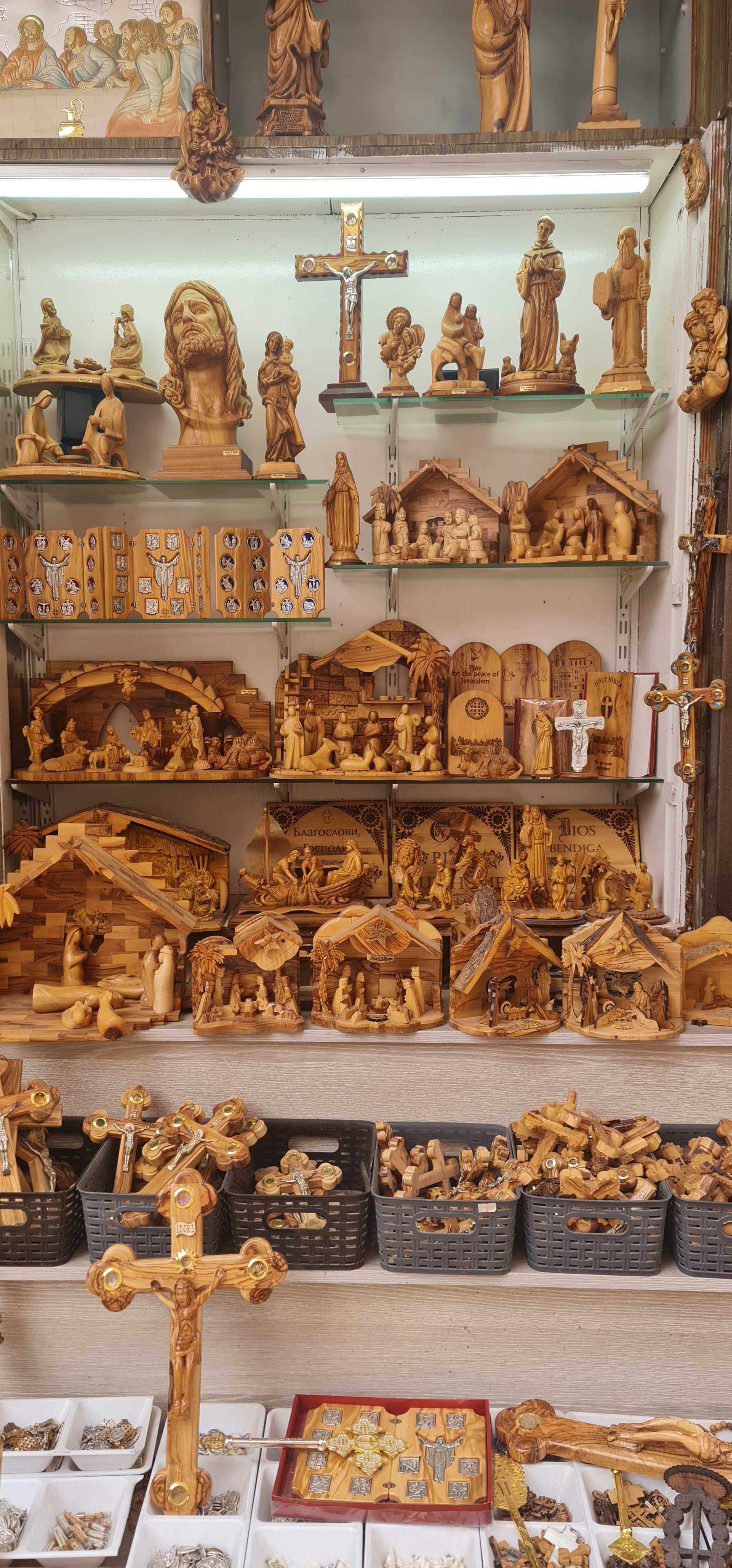
Located in the Christian Quarter of the Old City, the Church of the Holy Sepulcher is the holiest site for Christians on earth.
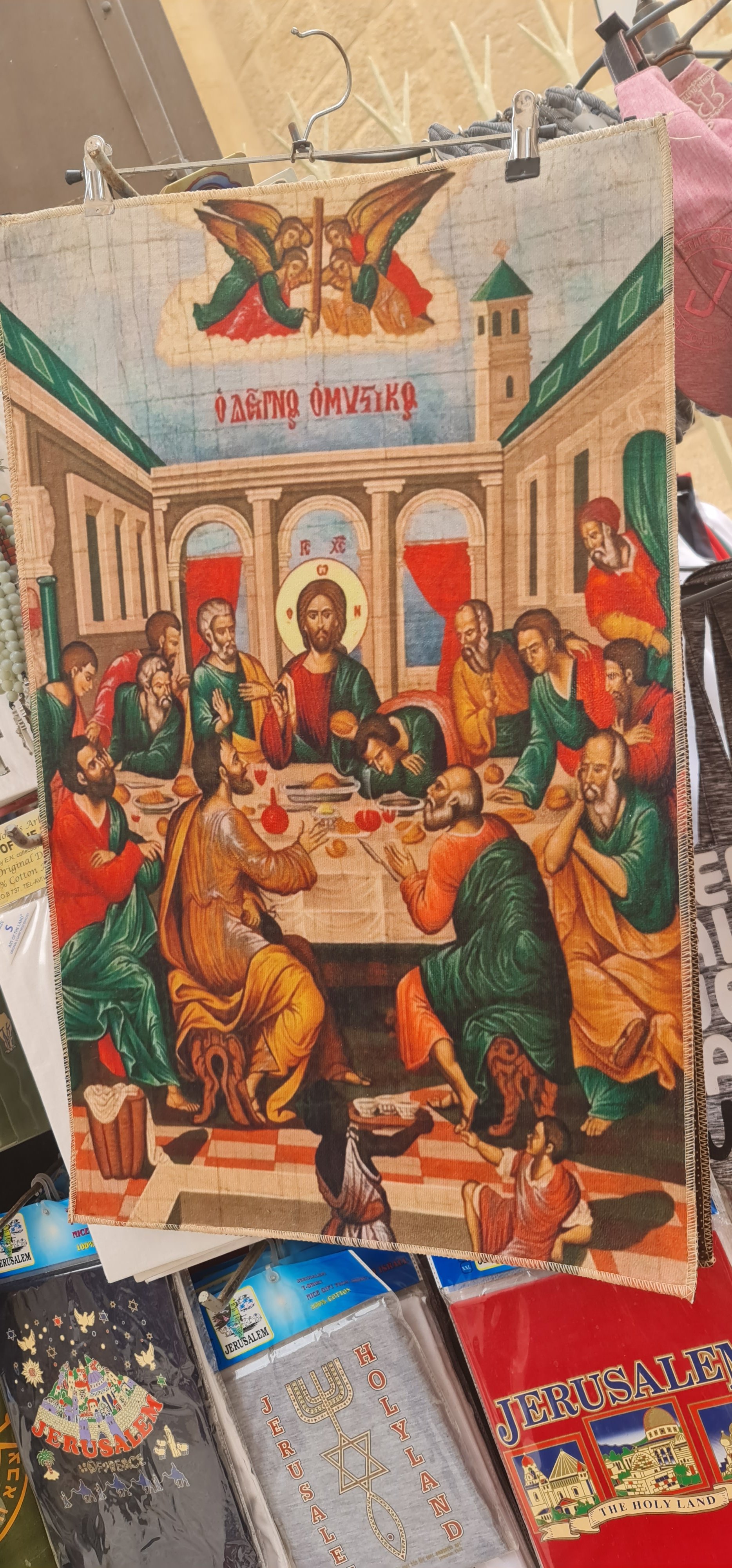
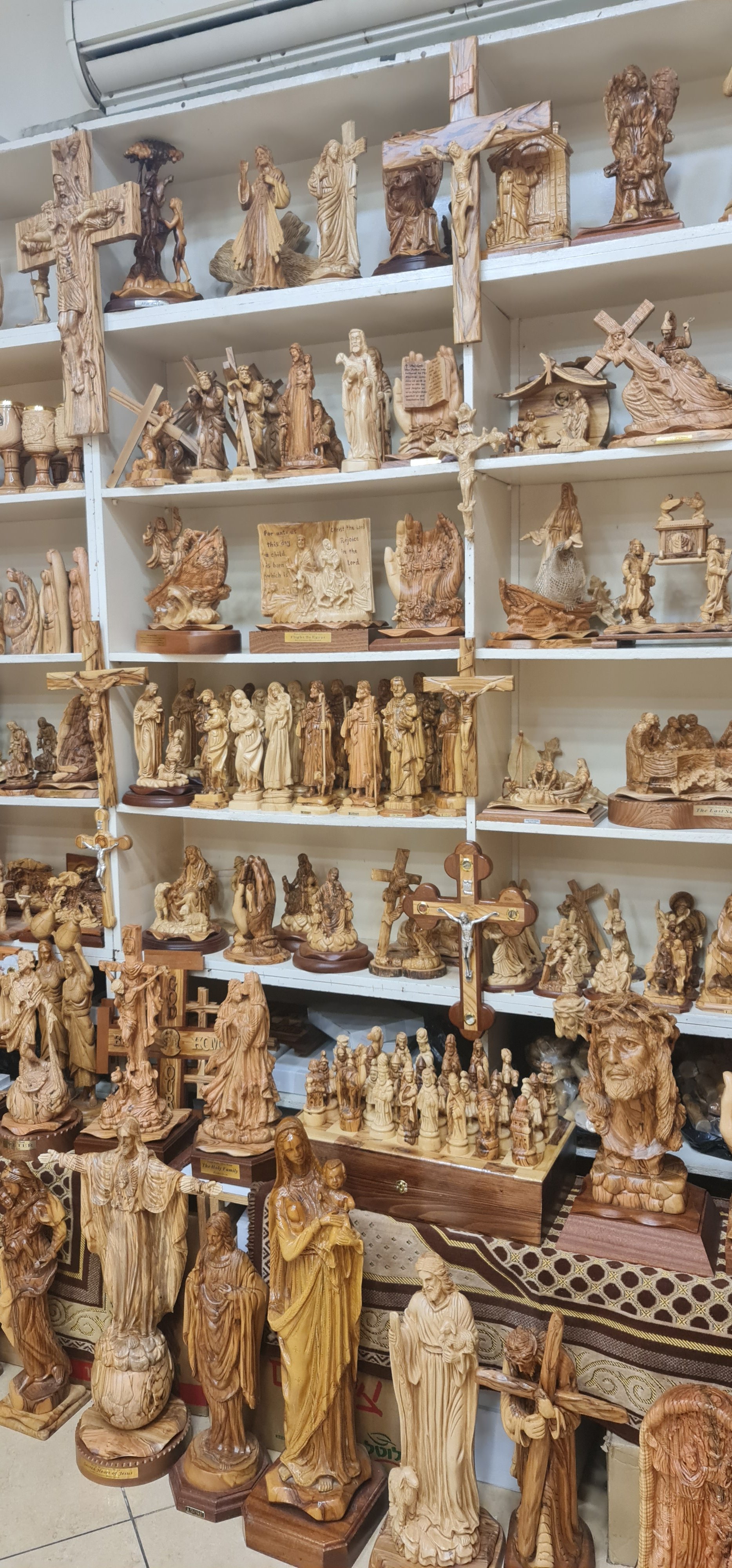
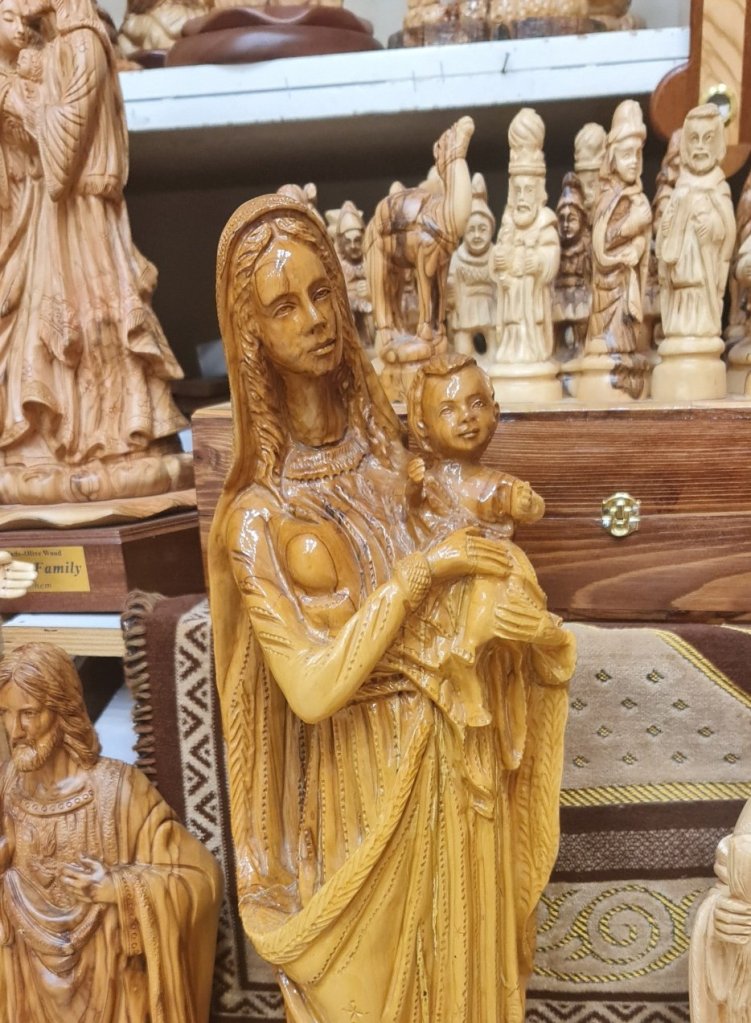
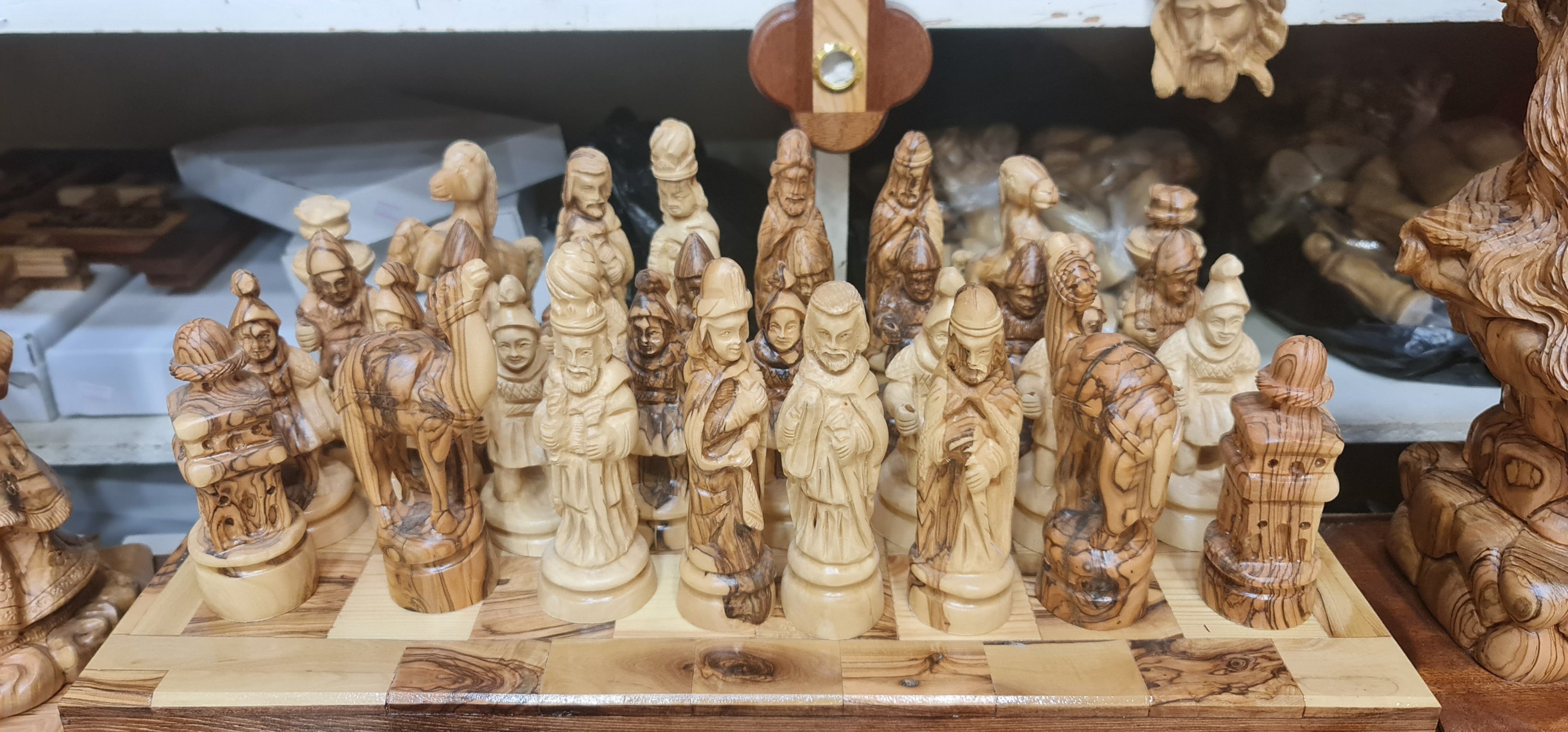
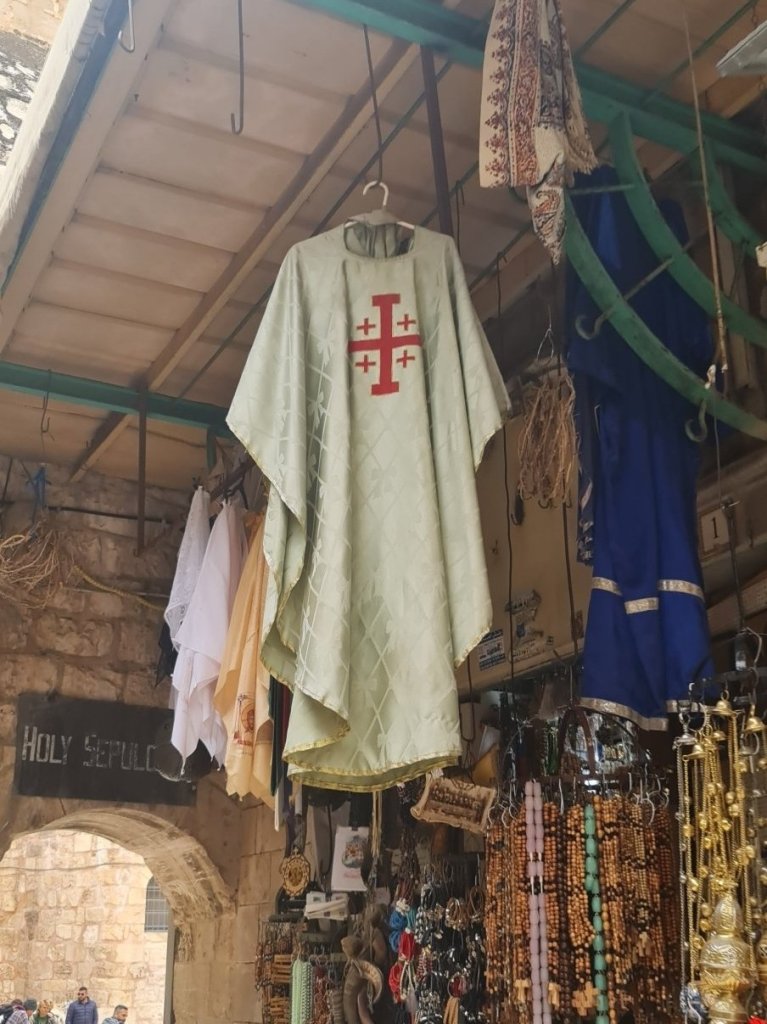
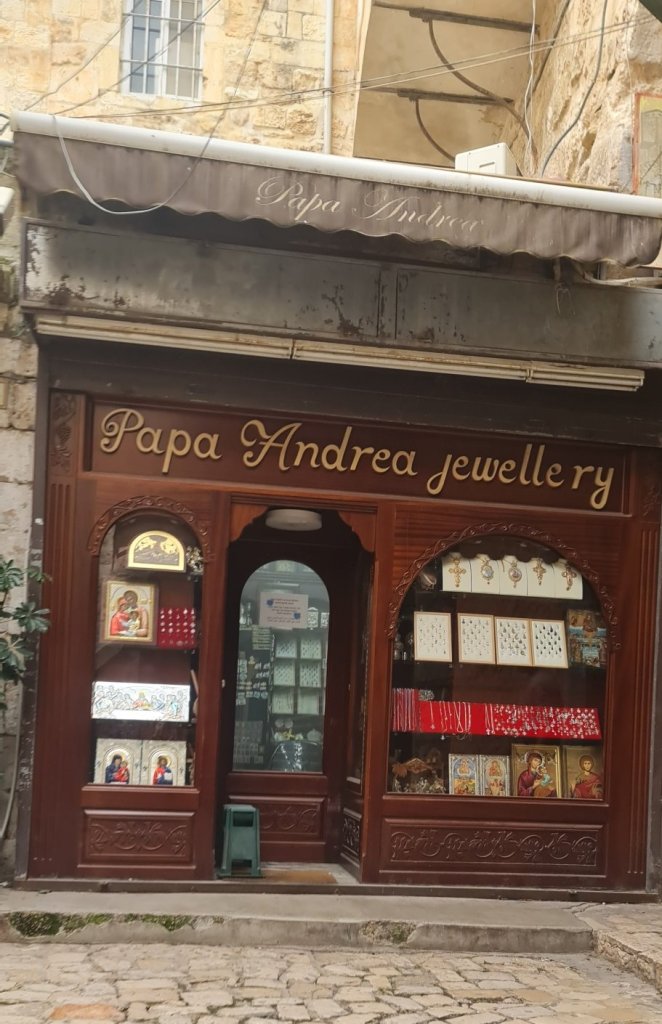
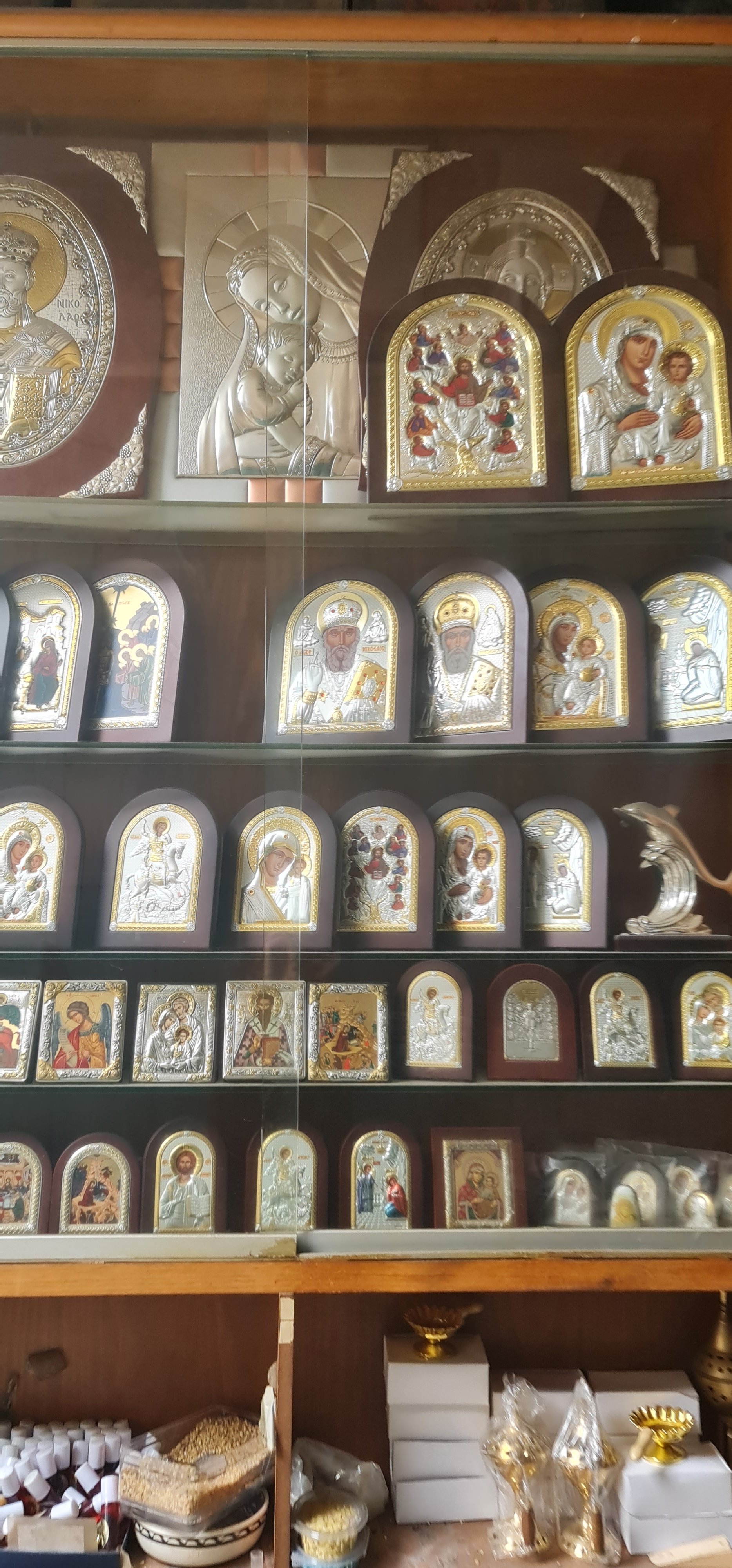
The most important structure of the Jewish Quarter is the Western Wall, which has survived to the present day with the discovery and protection of the Wailing Wall by Yavuz Sultan Selim.
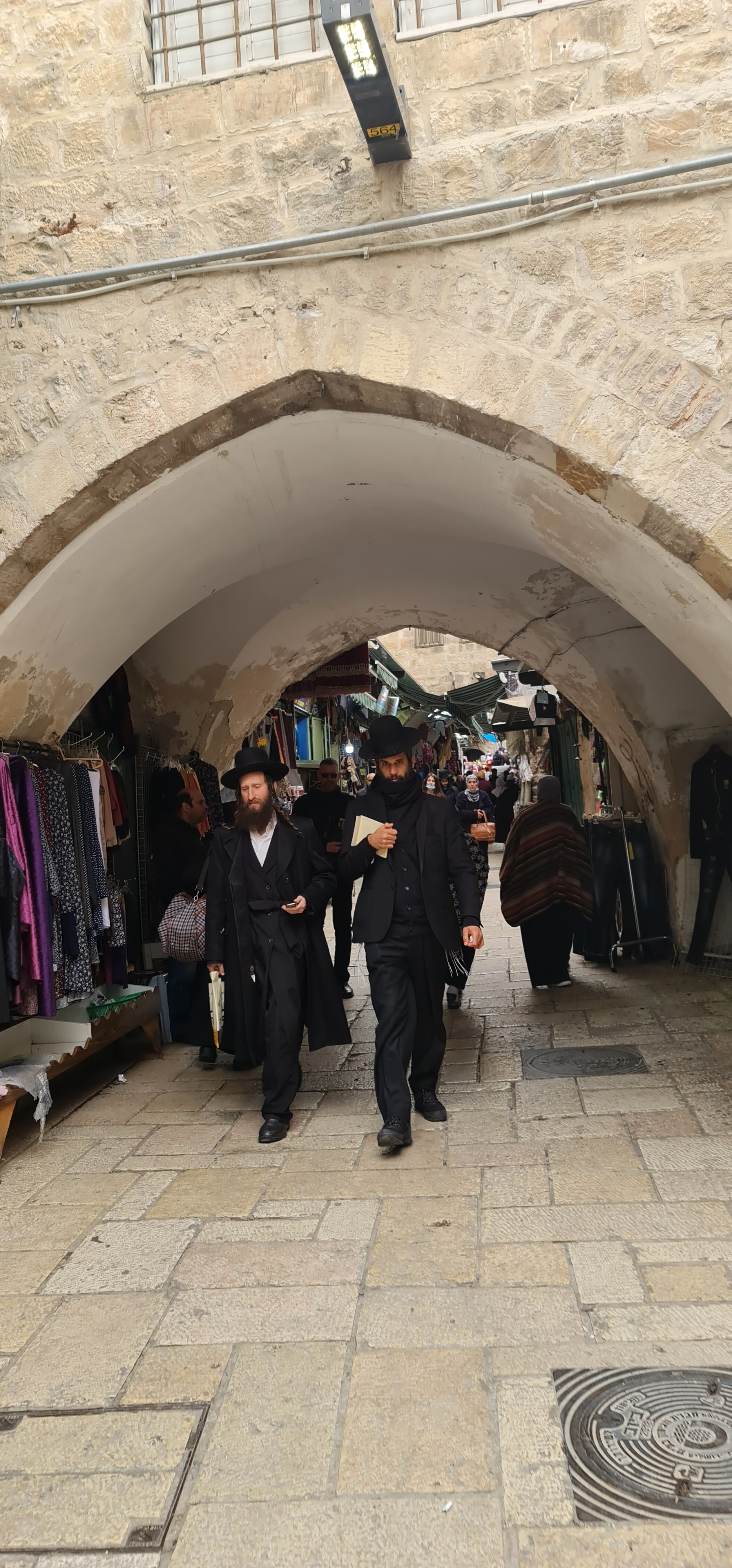
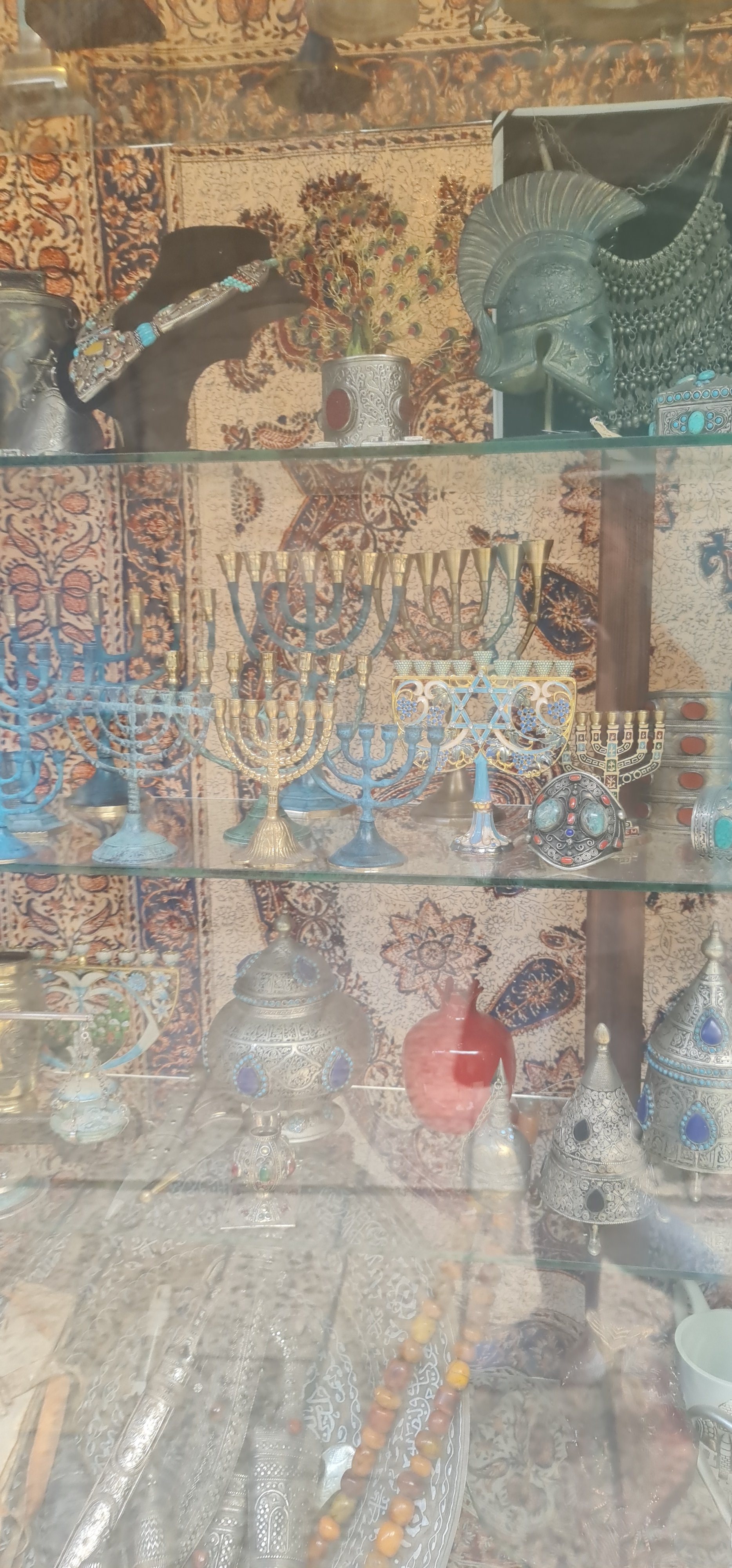
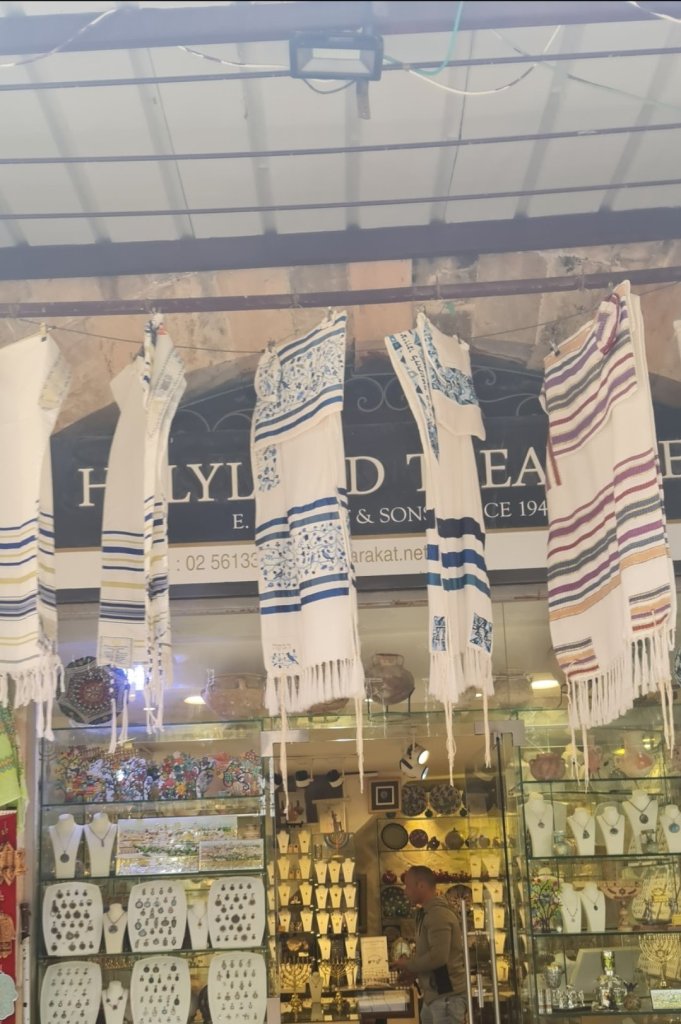
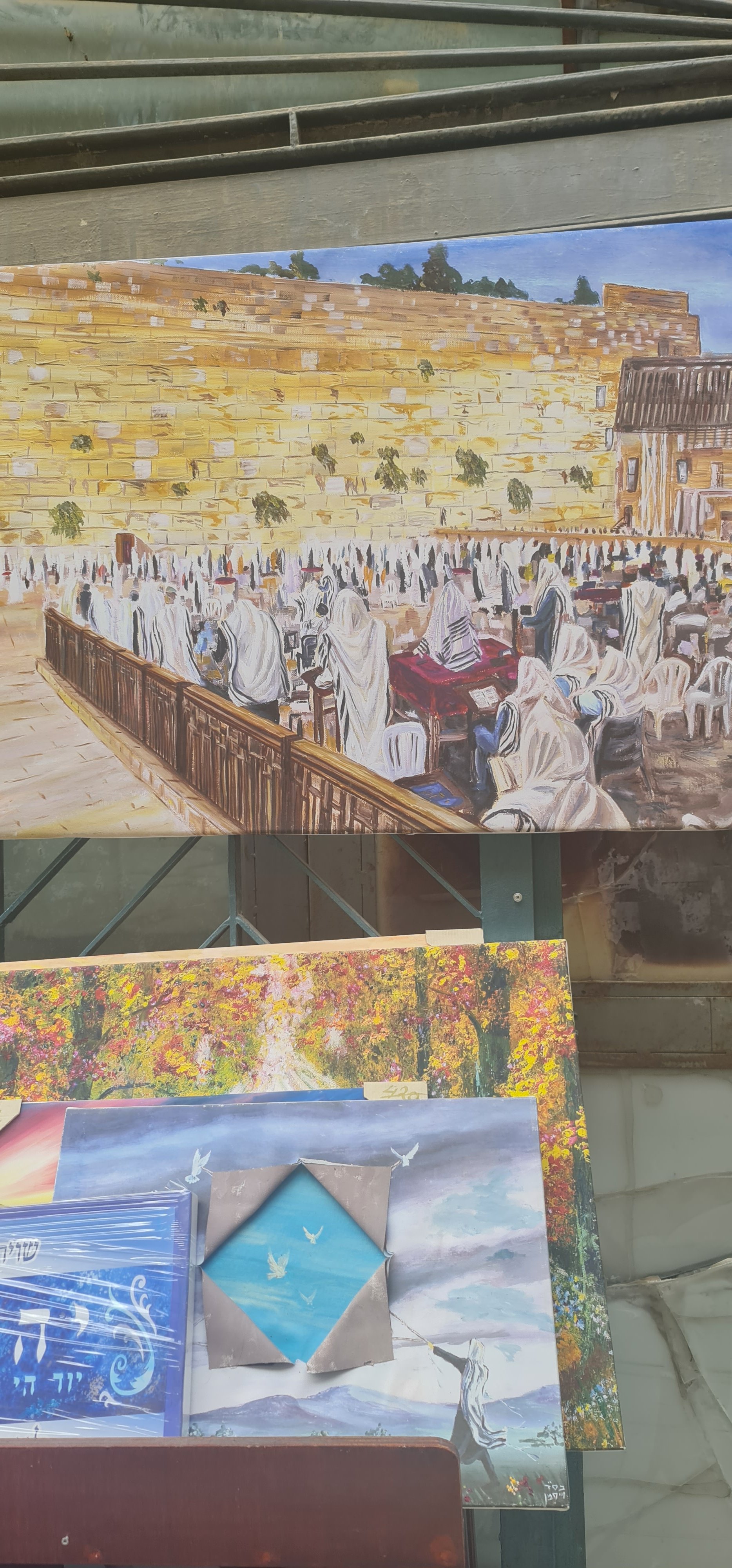
The Armenian section constitutes the smallest section in the Old City.
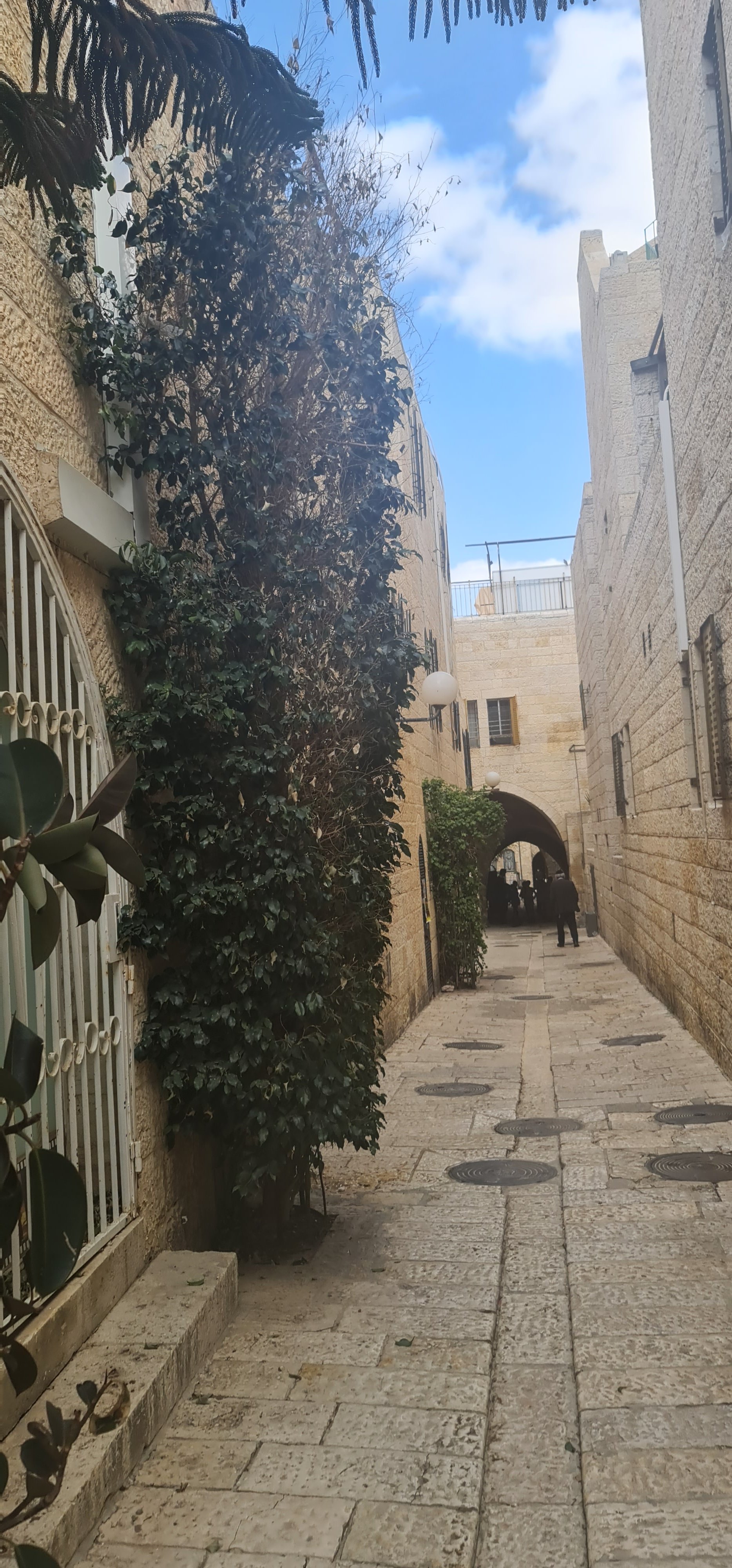
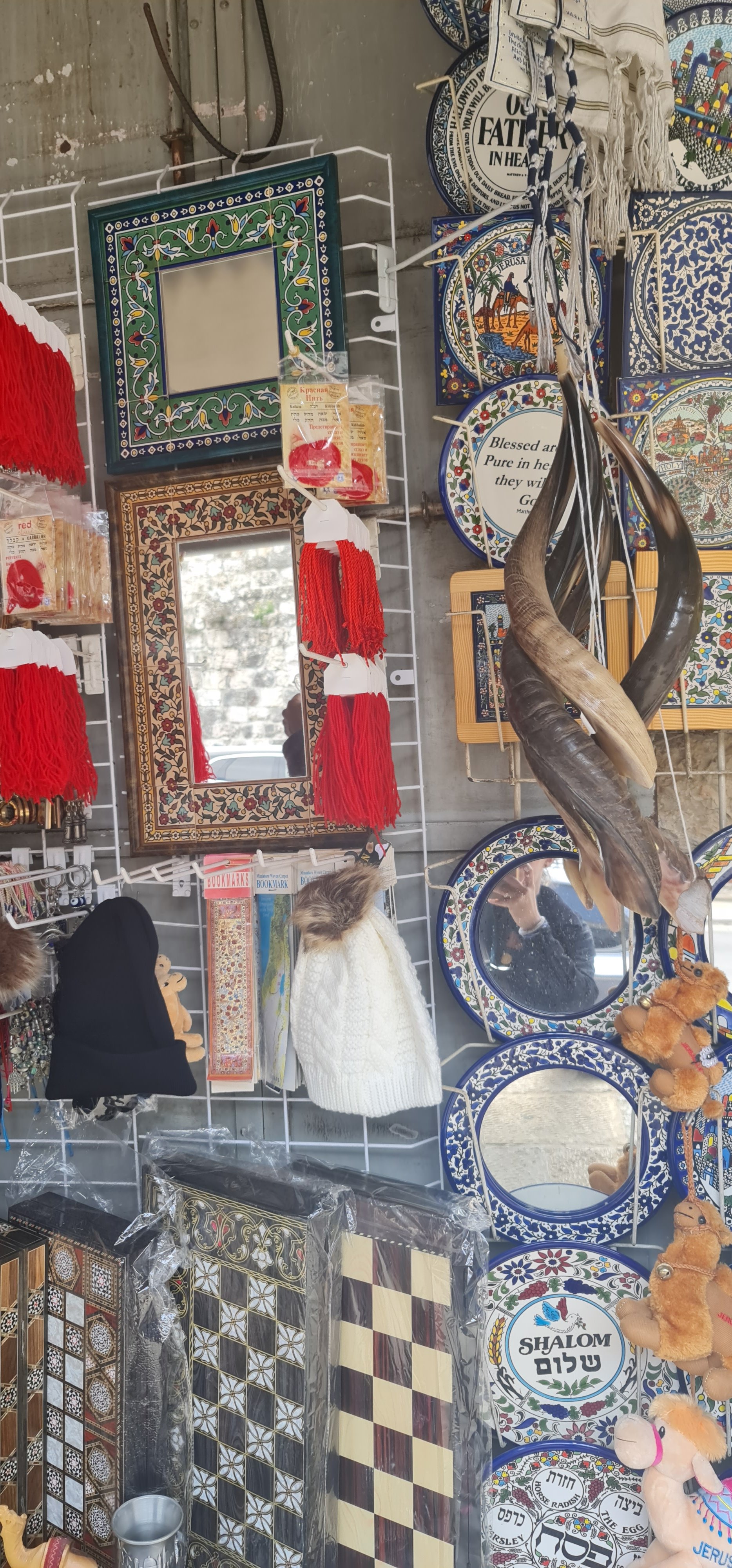
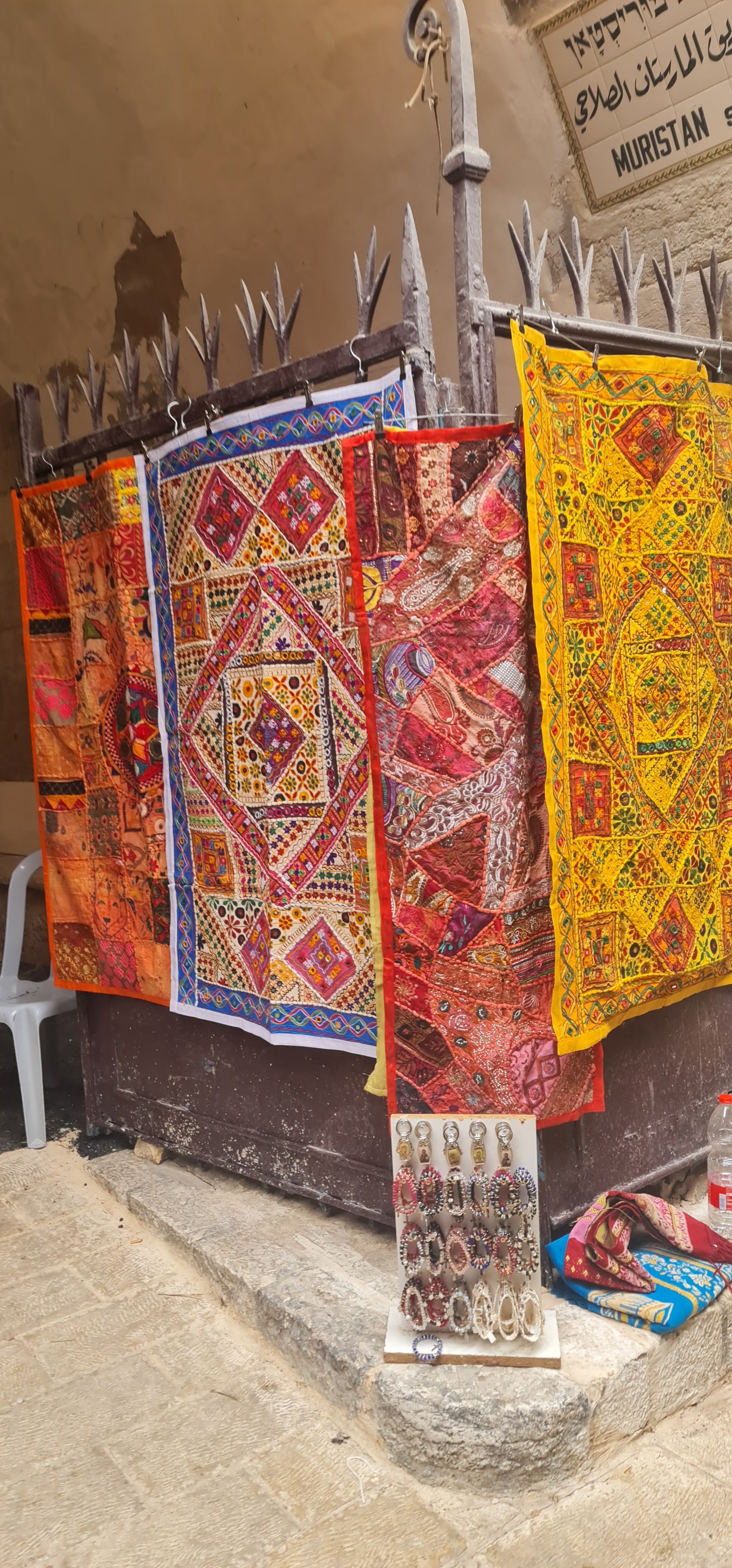
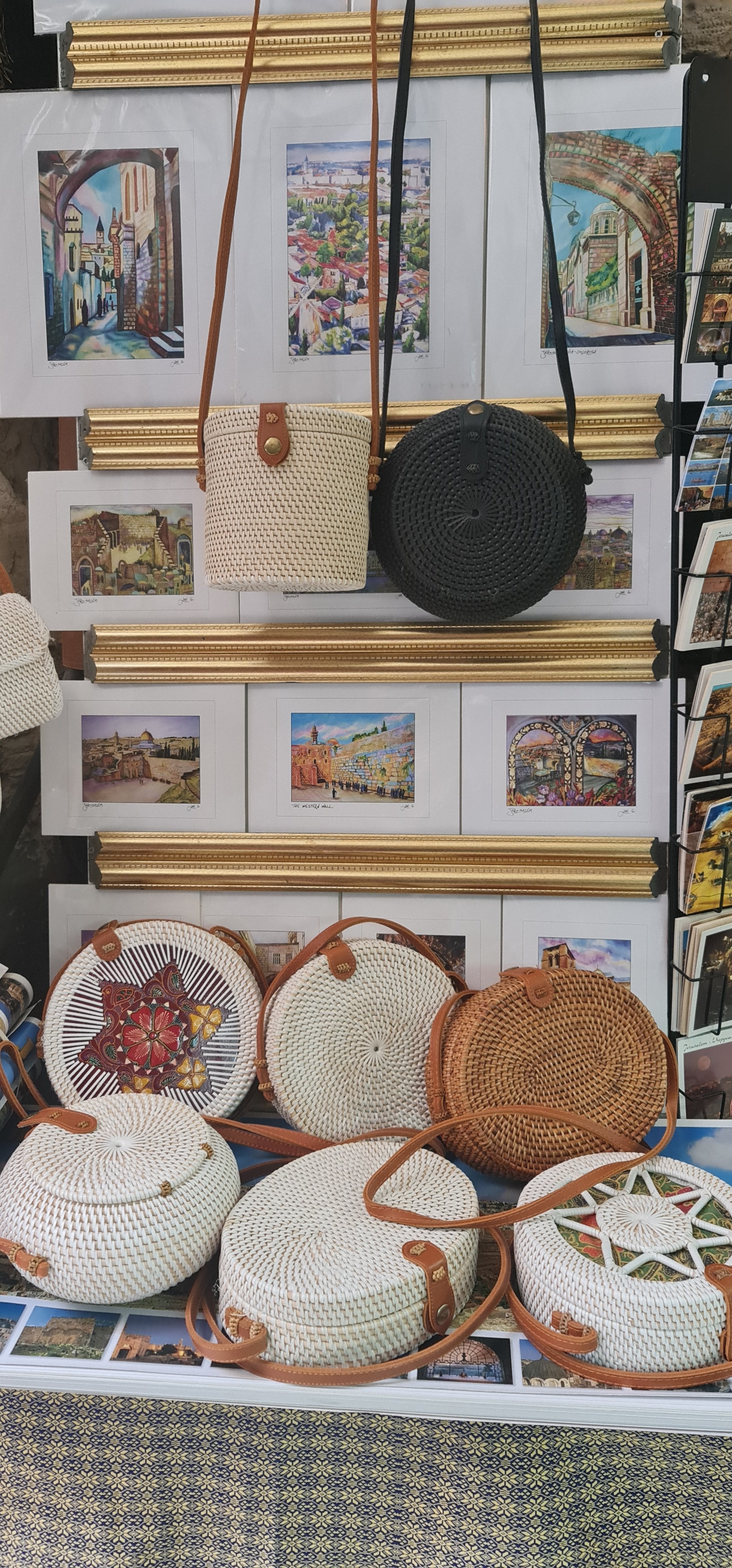
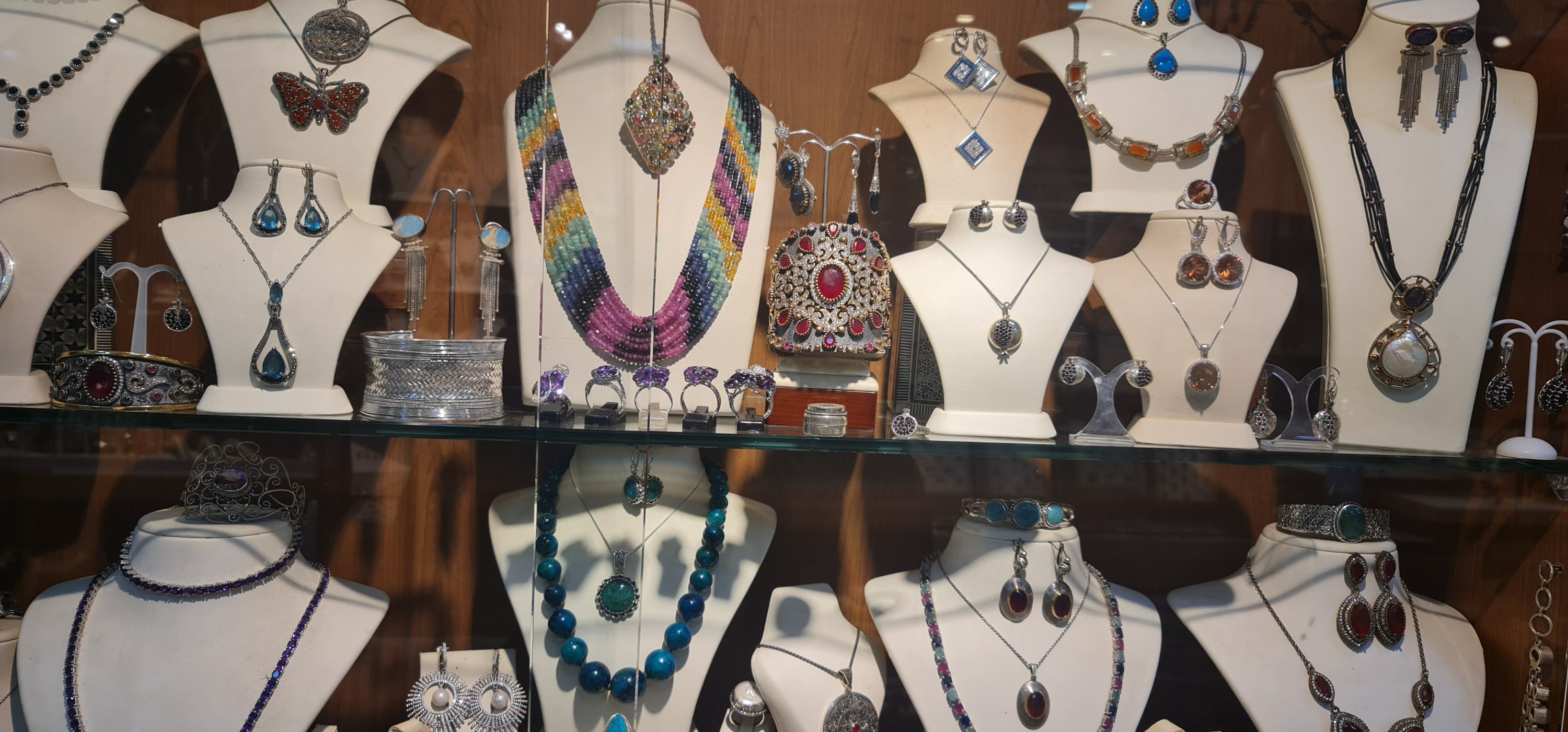
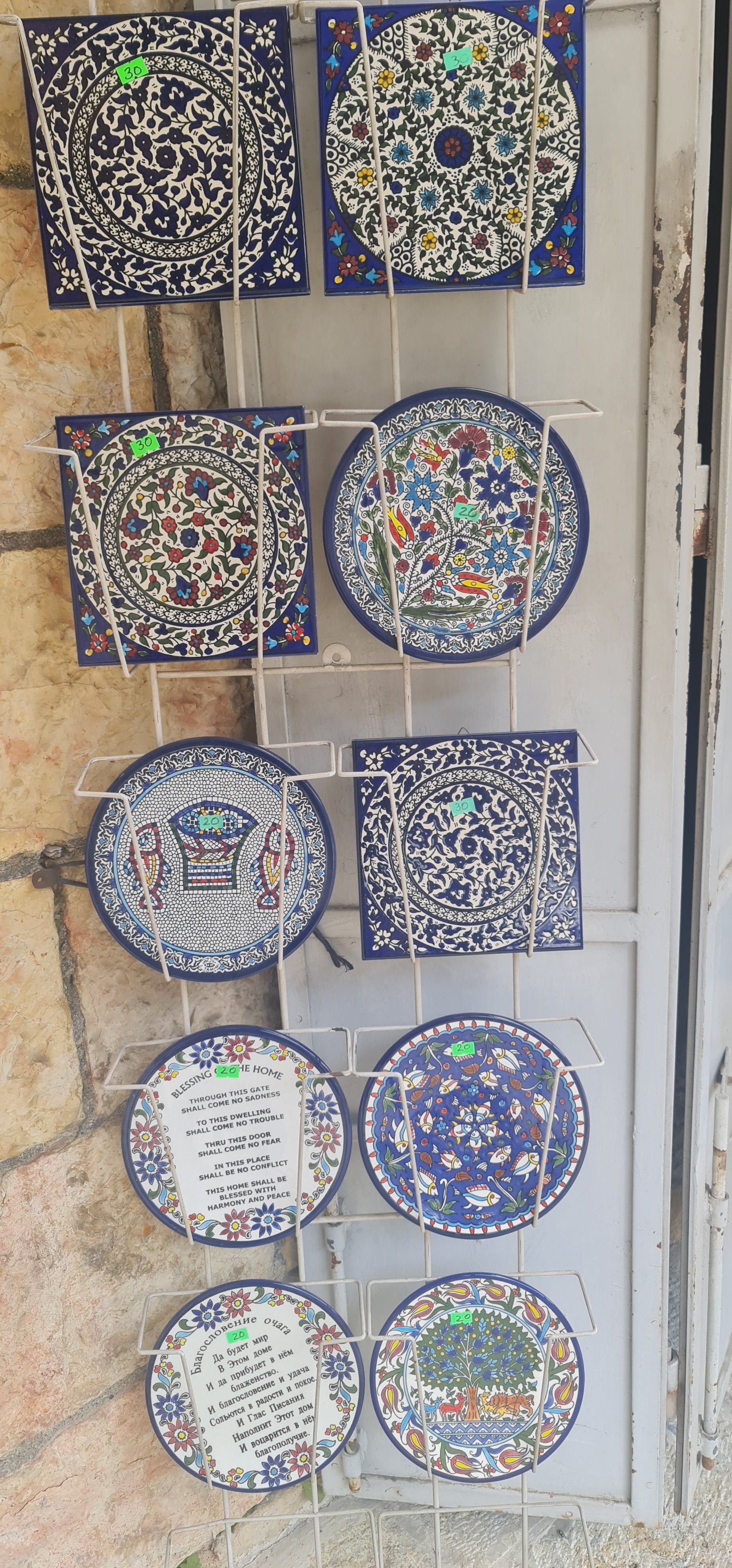
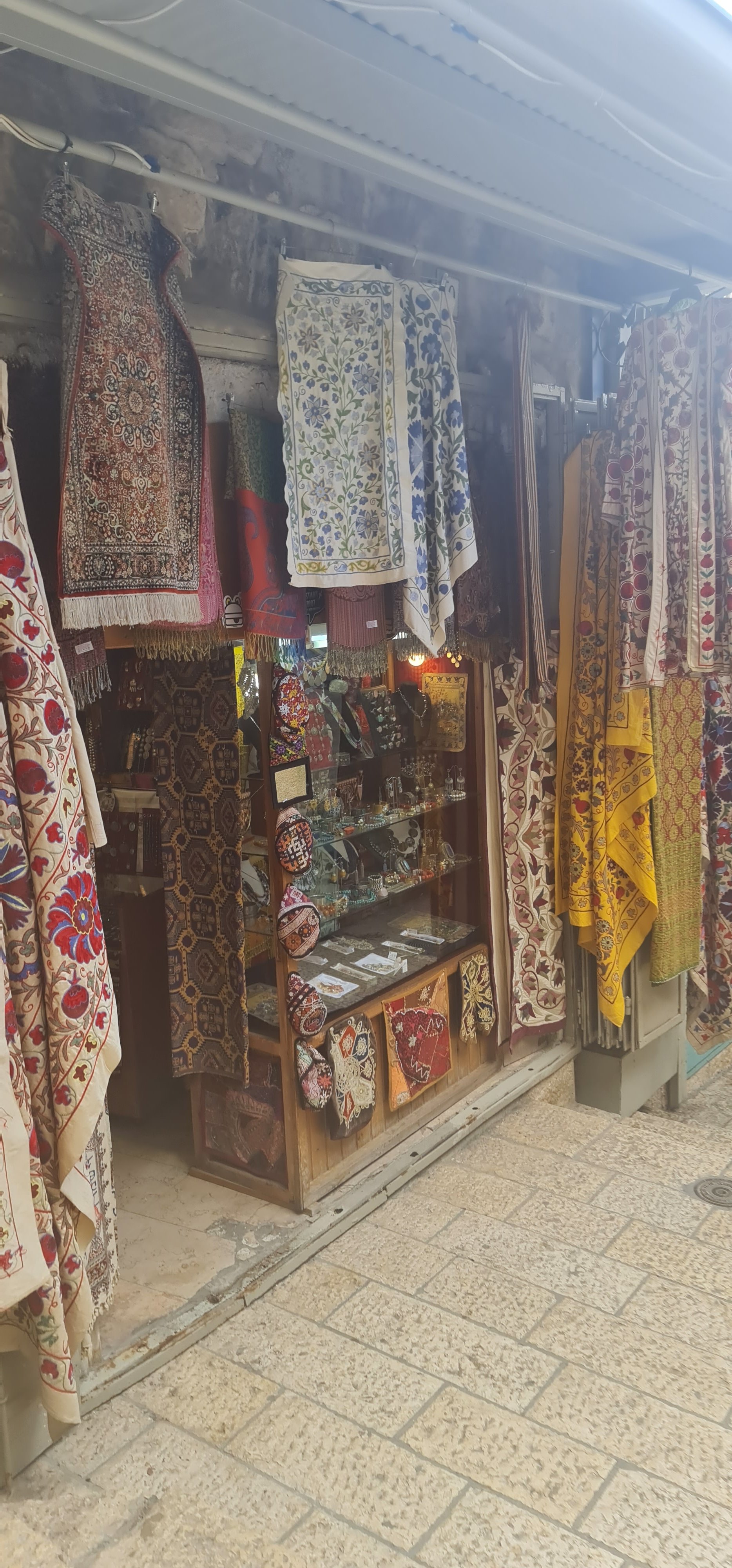
The interior of the city continues the tradition of hundreds of years. The roots of shops, workshops, and craftsmen still operating today go back to ancient times. For example, Evliya Çelebi noted that there are 2046 shops in the city, in addition to this, the city is very lively with soap production centers, mills, bakeries, and craftsmen.
Book recommendation Osmanlı Kudüs’ü (Ottoman Jerusalem) (1700-1757), Abdalqader Steih
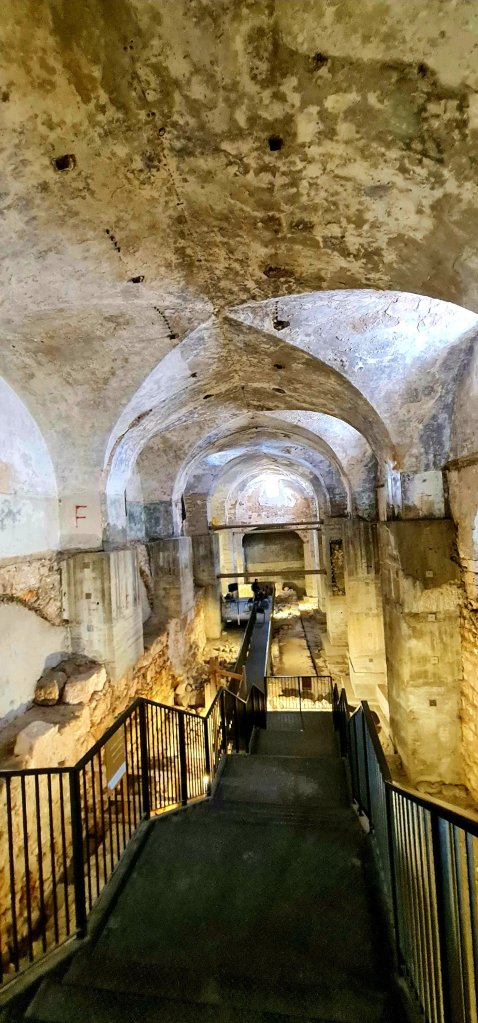
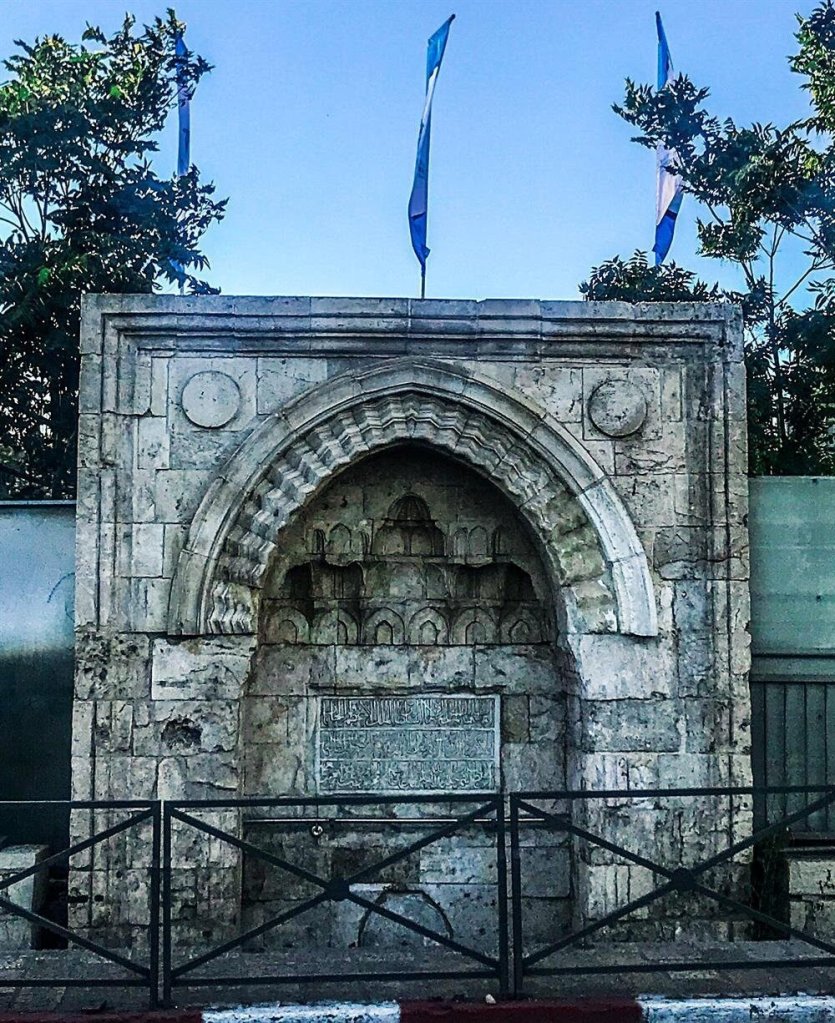
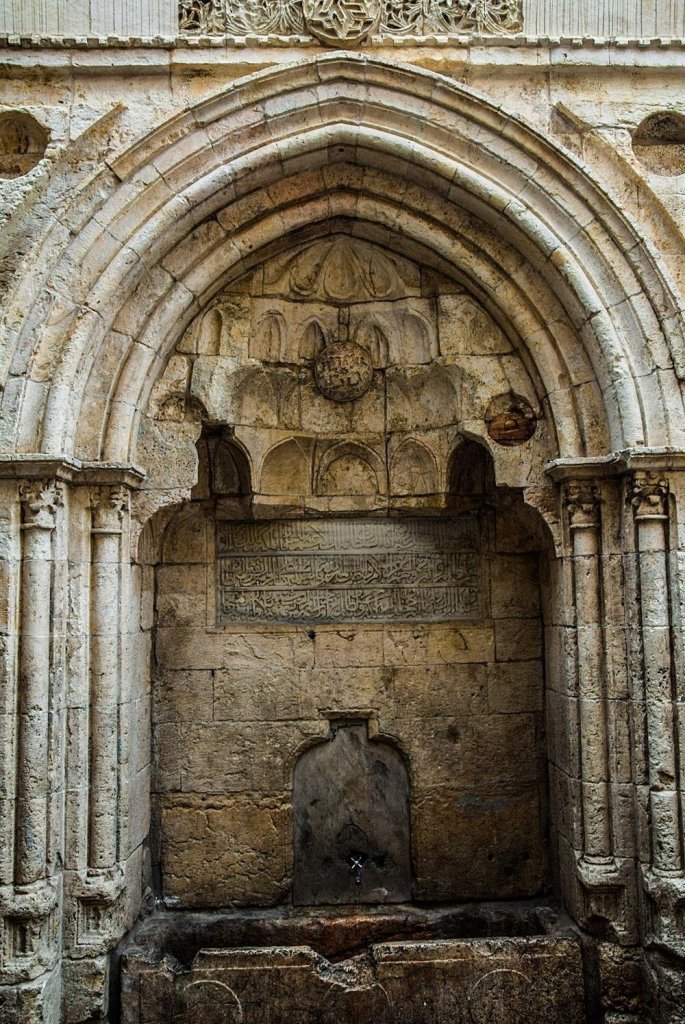
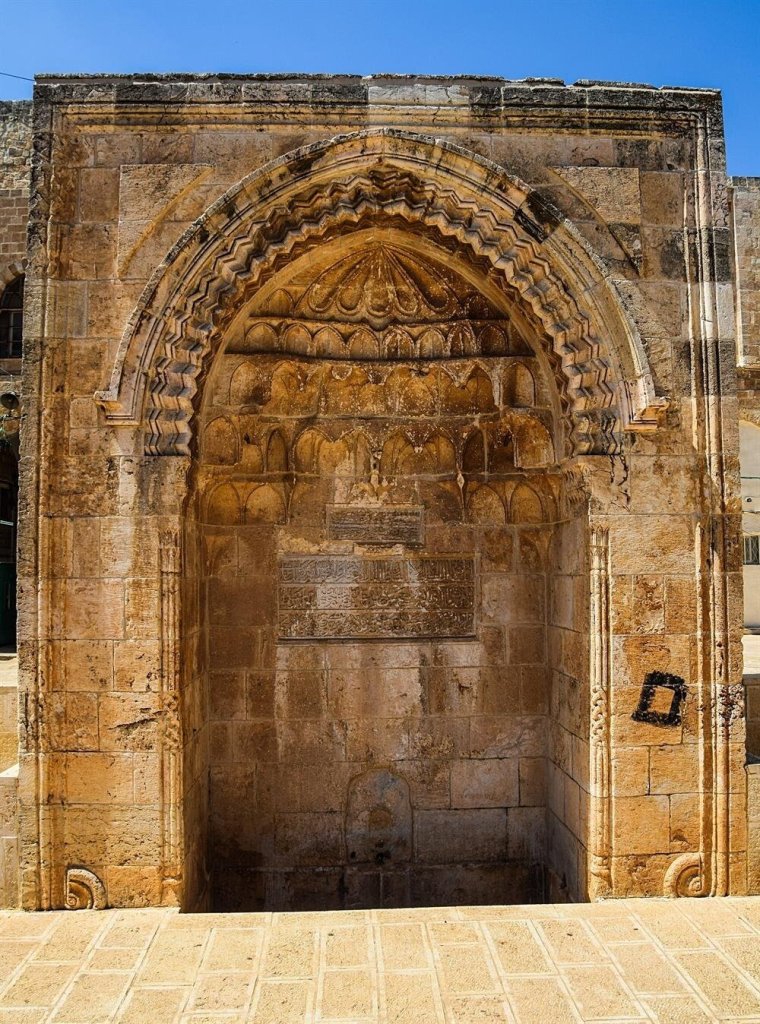
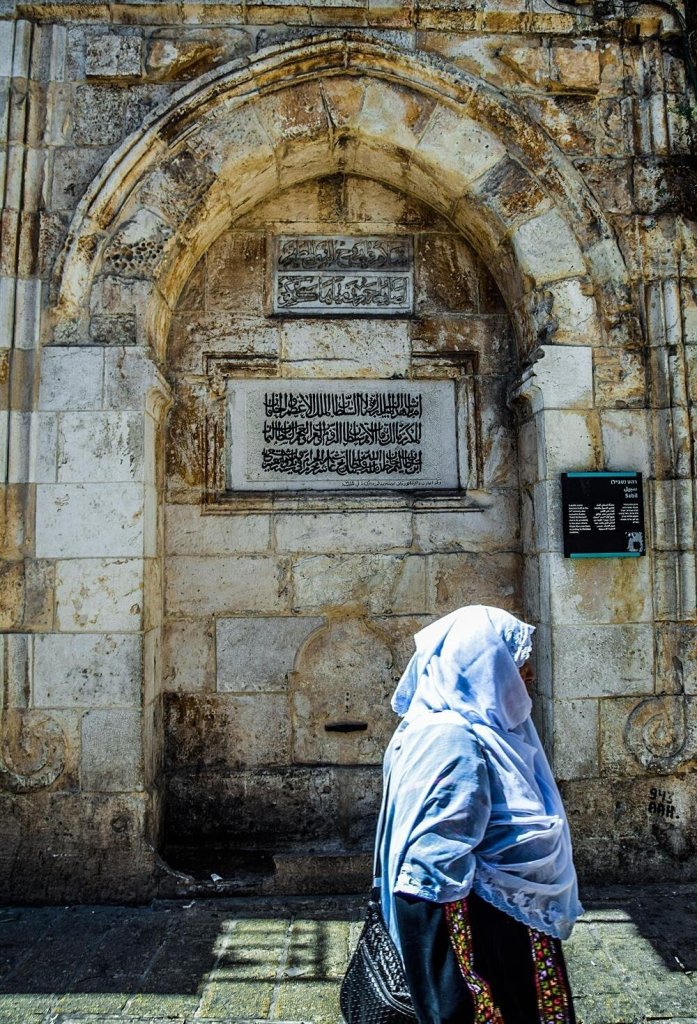
Another structure that draws our attention in the city is the water wells. The biggest reason for this is that the people of Jerusalem have had great difficulty in meeting their drinking water needs. The fact that the city was not near the water sources such as rivers, the situation led the population to use limited and irregular rainwater for essential daily uses. Wells and fountains were built to preserve these waters.
When I think about what I have seen and read, I attribute these three adjectives to Old City. The holy city that carries the beliefs and memories of the monotheistic religions in every corner for hundreds of years. The historical city that hosted prophets, kings, sultans and didn’t succumb to rebellions, disasters, and wars. Lastly, the strong city that compels humankind who can not share the city among themselves to live together after centuries of conflict.
See you next Friday in the Muslim Quarter, at al-Aqsa, and the Dome of the Rock.
 Ortadoğunun Kalbinde
Yorum bırakın