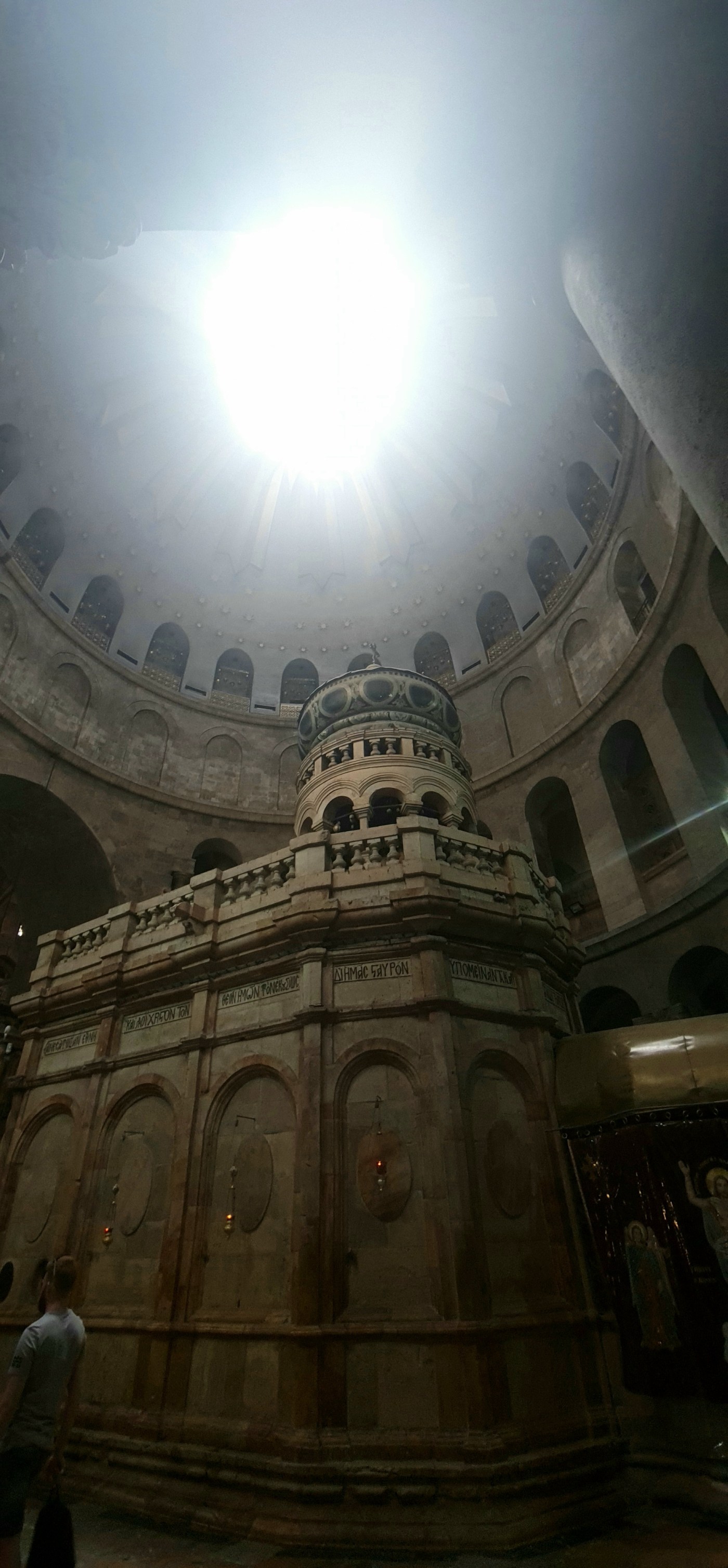
Hello again from the heart of the Middle East. Last week we were at Al-Aqsa, the holiest place of the Muslim Quarter in the Old City of Jerusalem. Today we are in the Christian Quarter. We will two significant places, the Via Dolorosa, where Jesus walked to be crucified, and the Church of the Holy Sepulcher, the last stop of the Via Dolorosa.
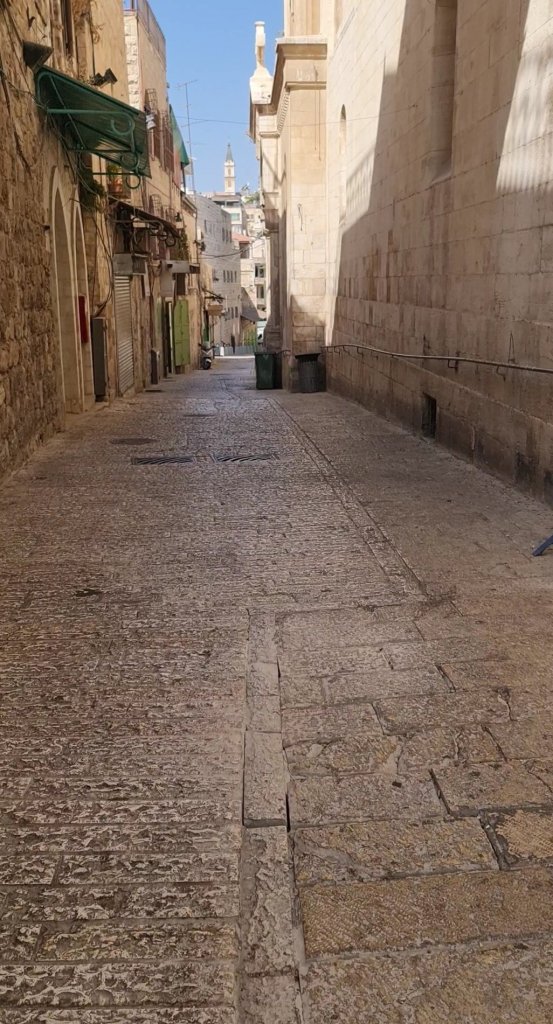
VIA DOLOROSA; this road is approximately 600 meters long with 14 stops. Starting from the lion’s gate of the Old City and ending at the Church of the Holy Sepulcher, this road is the holiest place for Christians on earth.
If you remember, in my “Mount of Olive” post, Jesus told Judas that he had betrayed and knew the pain he would suffer, he went to the Kidron Valley and was captured there. After being captured in the valley, he was taken to the Garden of Gethsemane to say his last prayer. (For more details, you can read my article post “The Mount of Olives” on my page.) After the Garden of Getsemani, he was brought inside the Old City walls. After being sentenced to death here, he walked this path of suffering up to Golgotha Hill with his cross. There are 14 stations in total here. 9 stations are on the way, and the other 5 stations are inside the Church of the Holy Sepulcher, which was built on Golgotha Hill. Today, this road is the pilgrimage route of Christians. They walk on this road, stop at each station and read the relevant parts of the Bible and perform their pilgrimage. Some Christian pilgrims also carry the cross-sized pilgrimage, like Jesus, in order to feel the pain of Jesus in their bodies.
Movie Recommendation; The Passion Of The Christ
While walking on Via Dolorosa, you cannot help but think of the past and the suffering. The structure of the stones and roads makes you feel as if you were walking in those years.
If you are ready, let’s see the stations together…
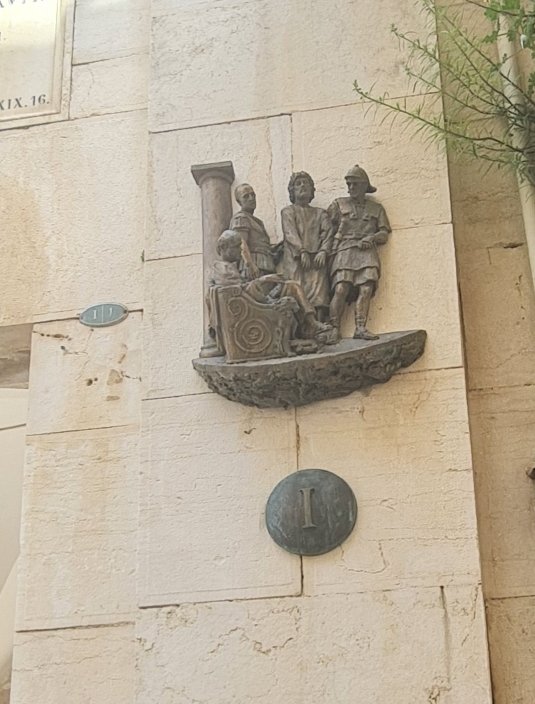
1st Station; The trial of Jesus and the order to die by crucifixion. Ömeriyye Primary School is located in this place where the inner courtyard was located during the Roman Period. Here, Jesus was sentenced to death by Pontus Pilate, the Governor of the Roman Empire’s Province of Judah.
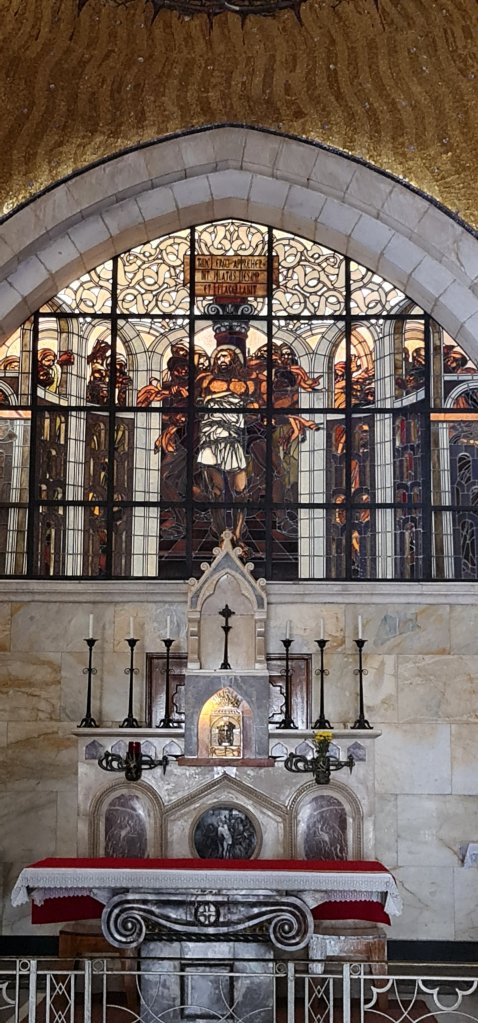
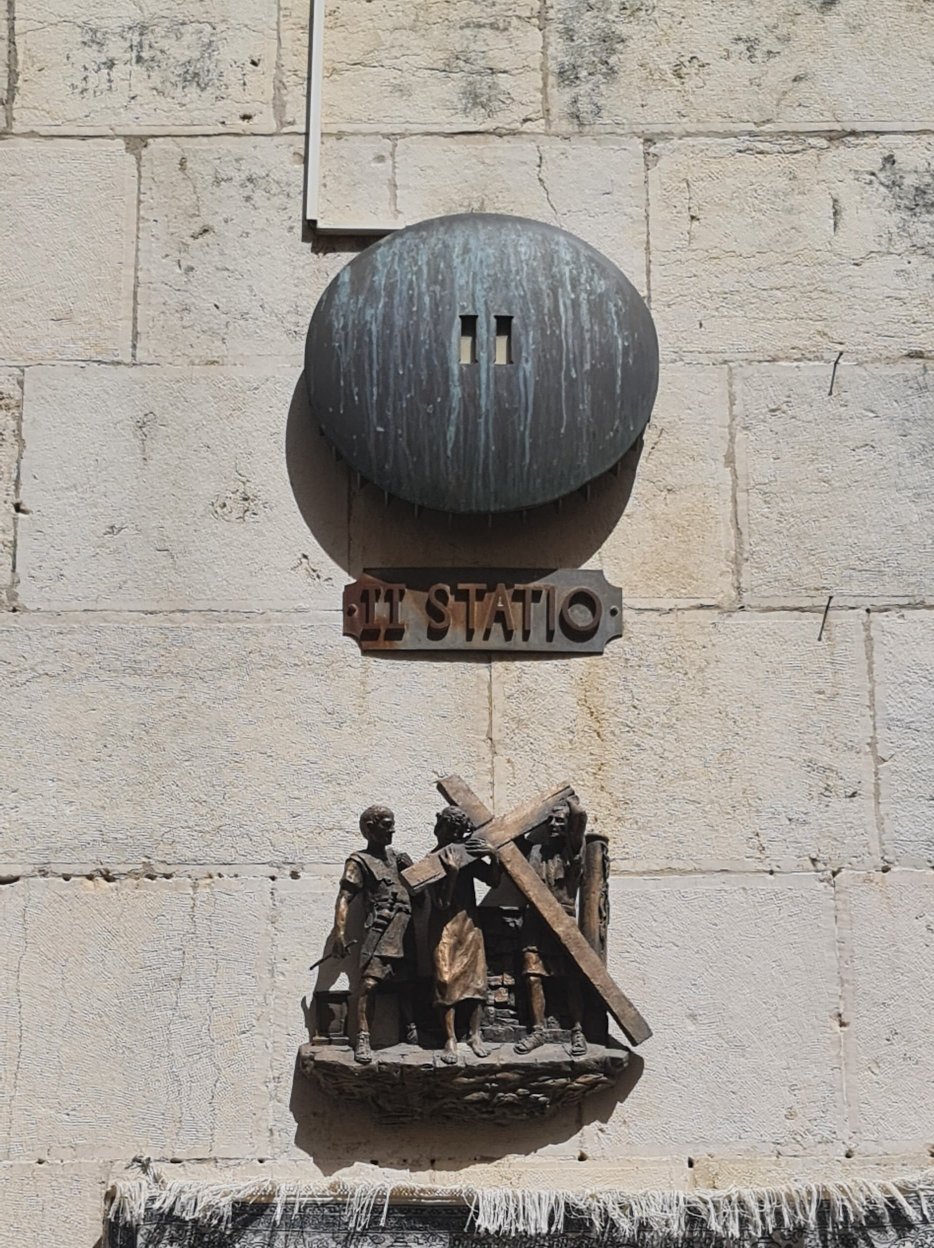
2nd Station; The Flogging Church. It is the place where Roman soldiers flogged Jesus and barbed wire was put on his head after his sentence was announced.
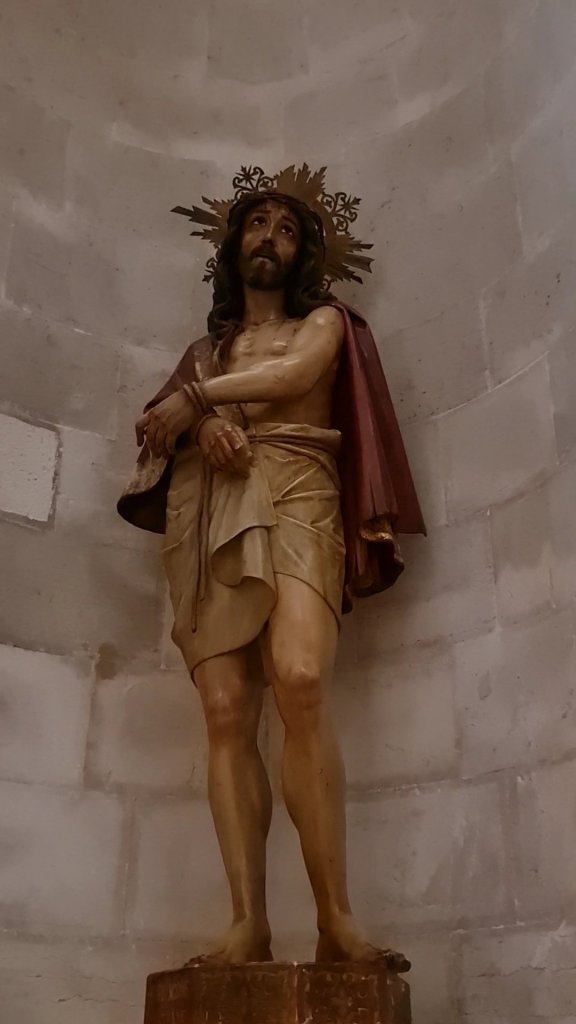
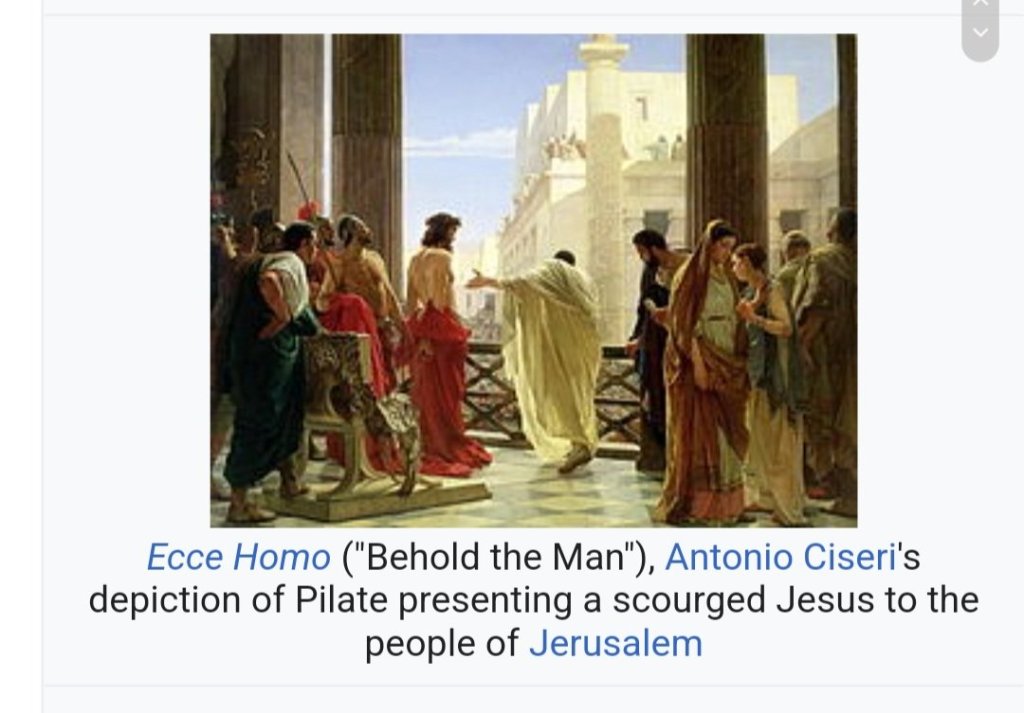
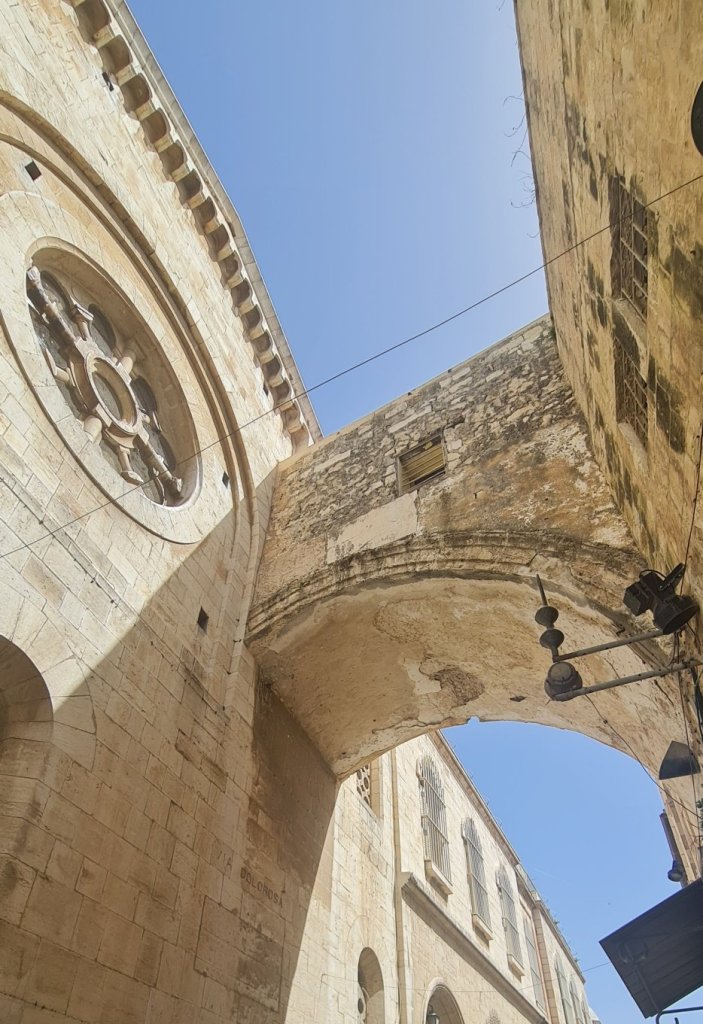
There is an arch called “Ecce Hommo” between the 2nd and the 3rd Station. The importance of this arch for Christians is as follows; “The Roman governor stood on this arch and called out to the people and pointed to Jesus and said “ecce hommo”, “that’s the person”. Here he used this expression to ask the public what do you want me to do to him.”
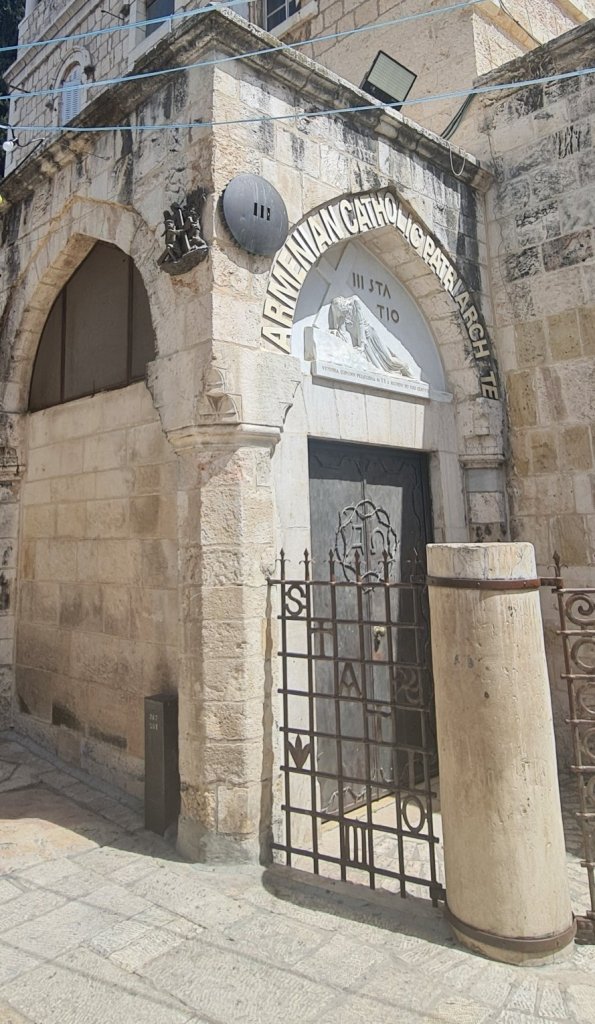
3.Station; While carrying his cross, Jesus fell to the ground. In memory of this event, a small chapel was built by the Armenian Catholic Church in the 15th century.
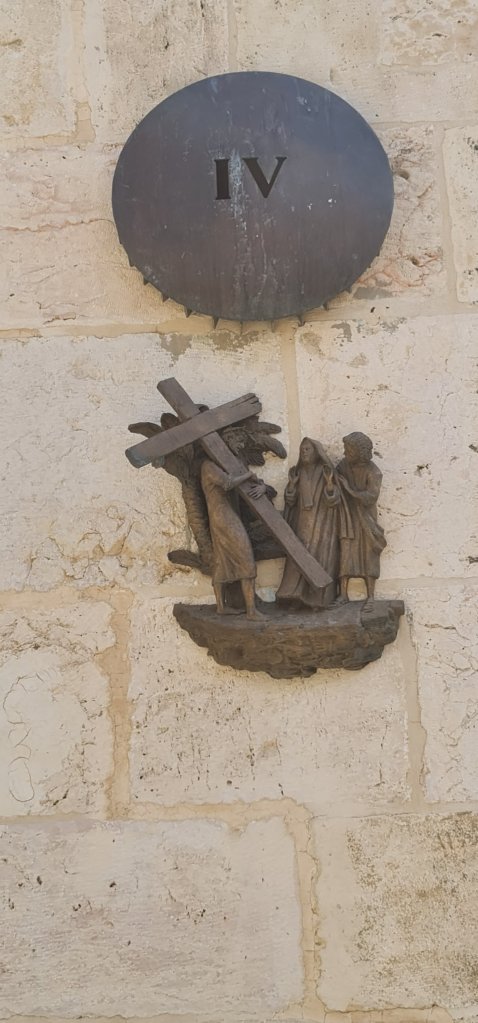
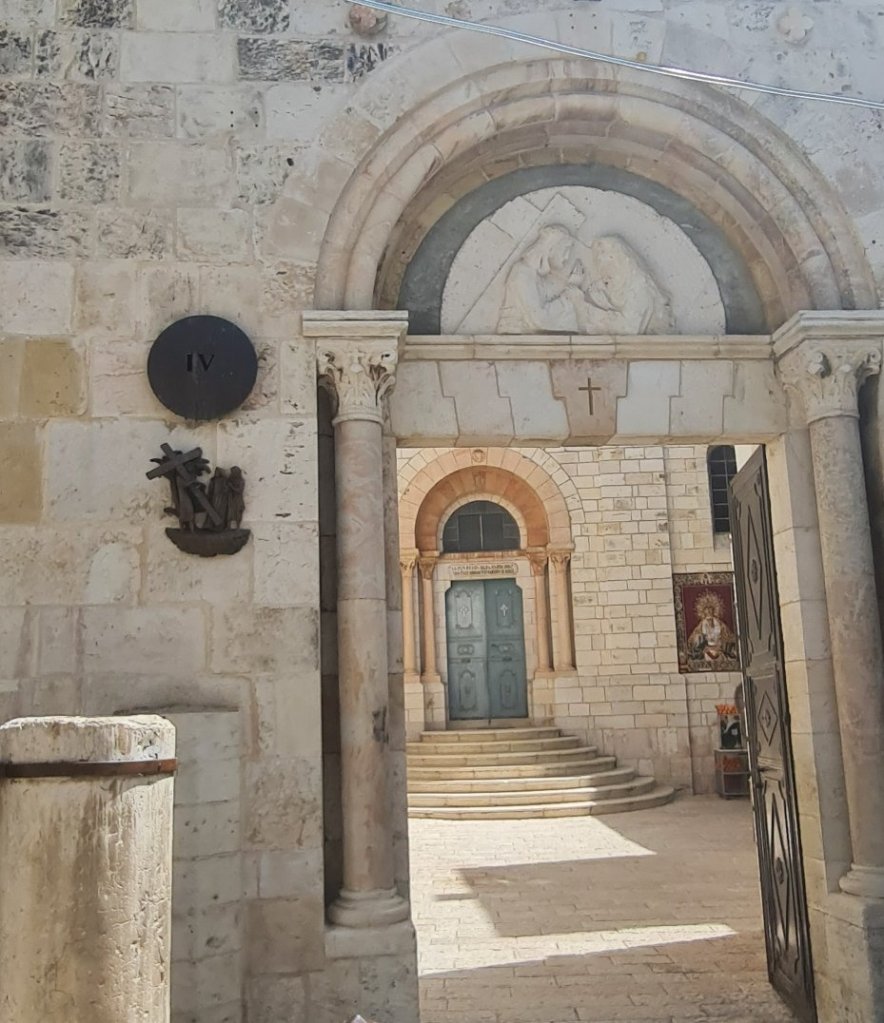
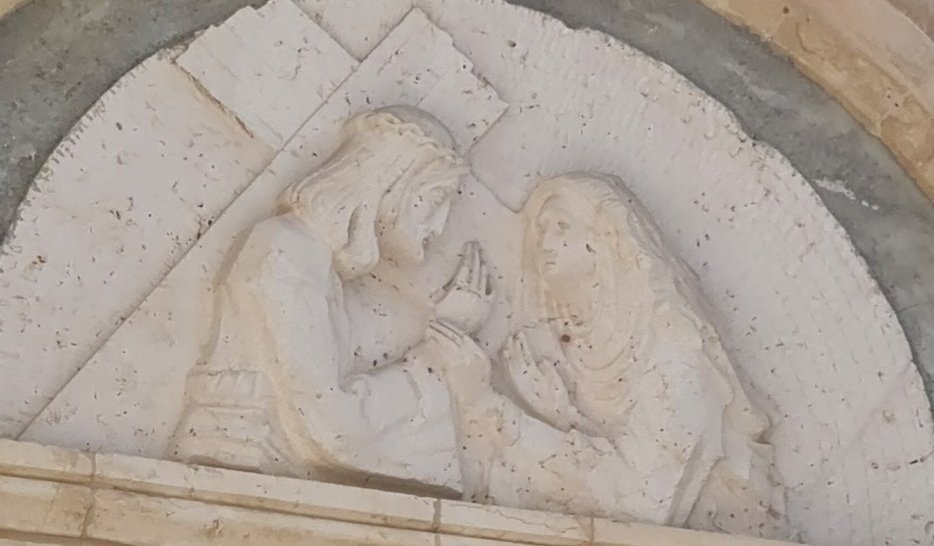
4.Station; Jesus meets his mother. The Virgin Mary was waiting for her son on the street corner to see and share his pain. The Armenian Chapel here symbolizes the place where Mary stood when Jesus passed her while carrying her cross.
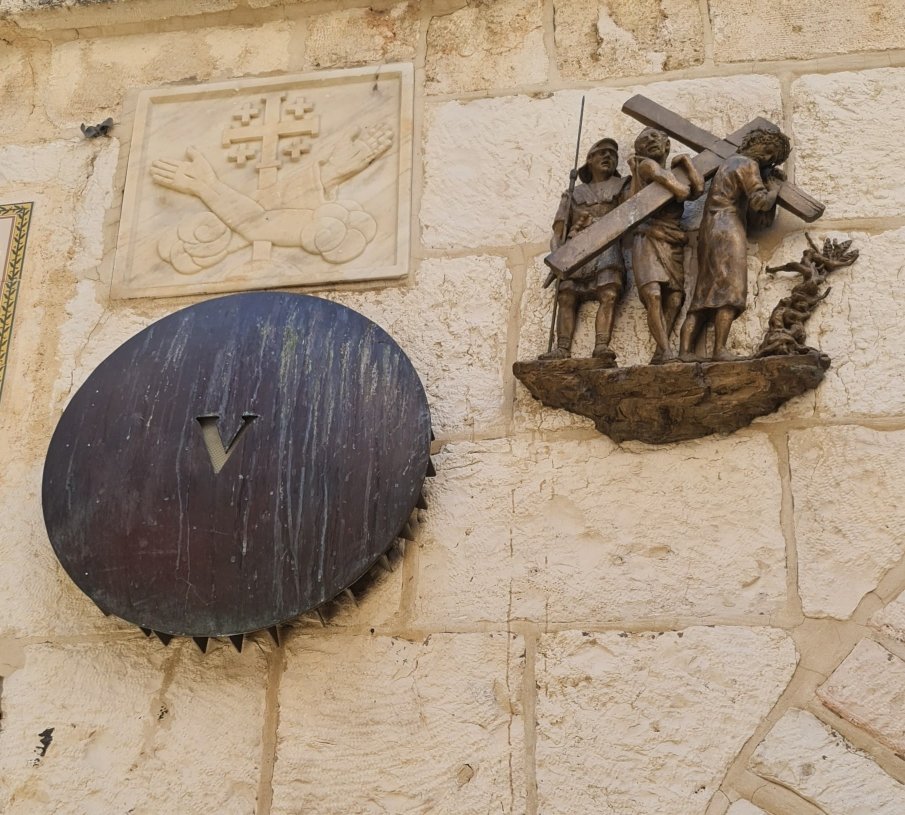
5.Station ; Simon, a pilgrim from North Africa to Jerusalem for the Passover (later declared a Saint), was forced by Roman soldiers to help Jesus carry the cross.
Here, on the wall right next to the church, there is a stone on which Christian pilgrims rub their hands and faces. It is believed that this stone is the one on which the Prophet Jesus rested his hand.
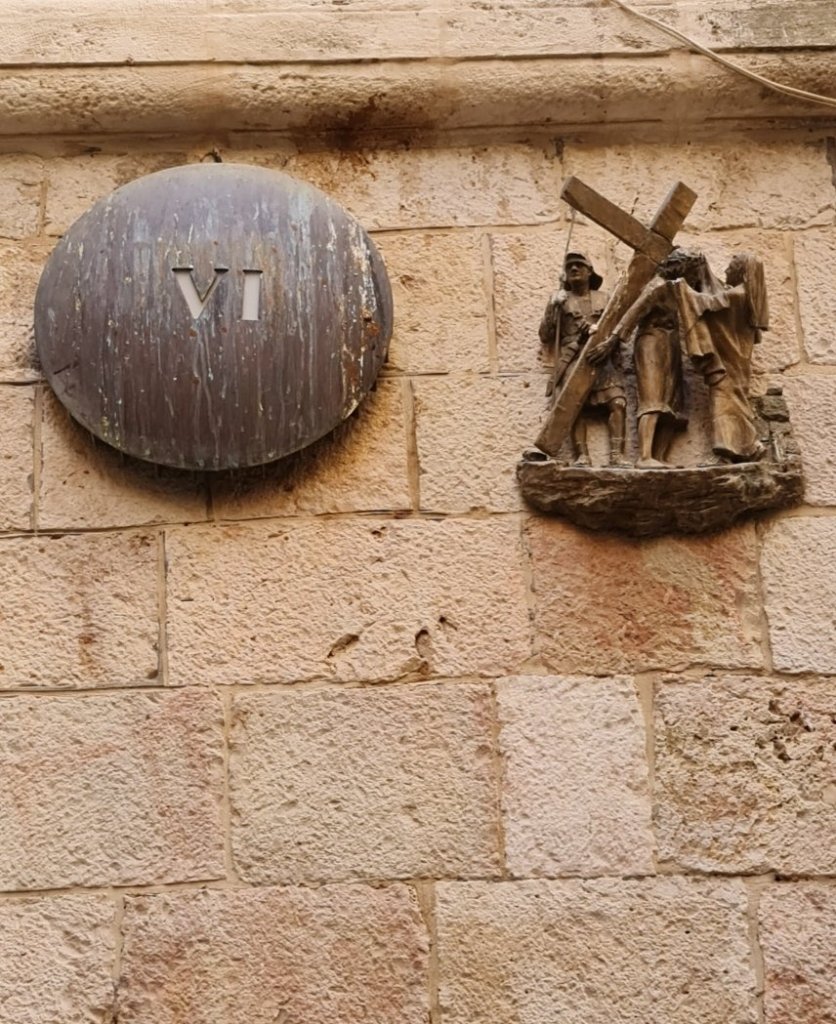
6.Station; Here Veronica is wiping the face of Jesus Christ. According to tradition, Veronica’s house is next to Via Dolorosa. He left his house to meet Jesus and to wipe the sweat and blood from his forehead.
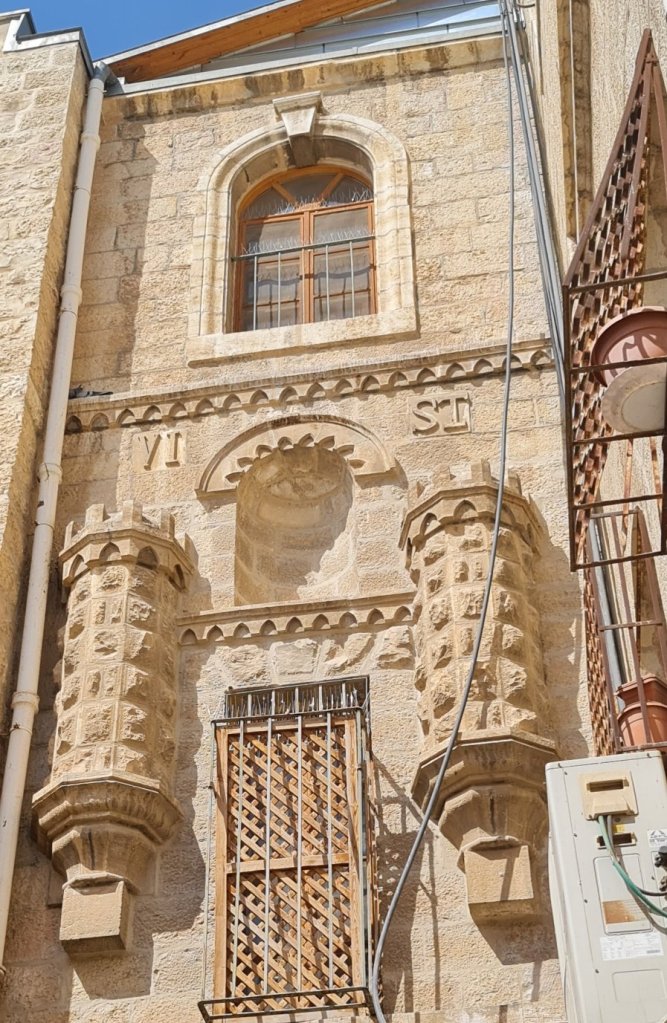
7.Station; Jesus falls to the ground for the second time here. A part of the Roman Cardo column series in the chapel has survived to the present day.
8.Station ; According to Christian belief, in this place, Jesus called out to the women who were crying in pain, “Don’t cry for me, cry for yourself and your children.”
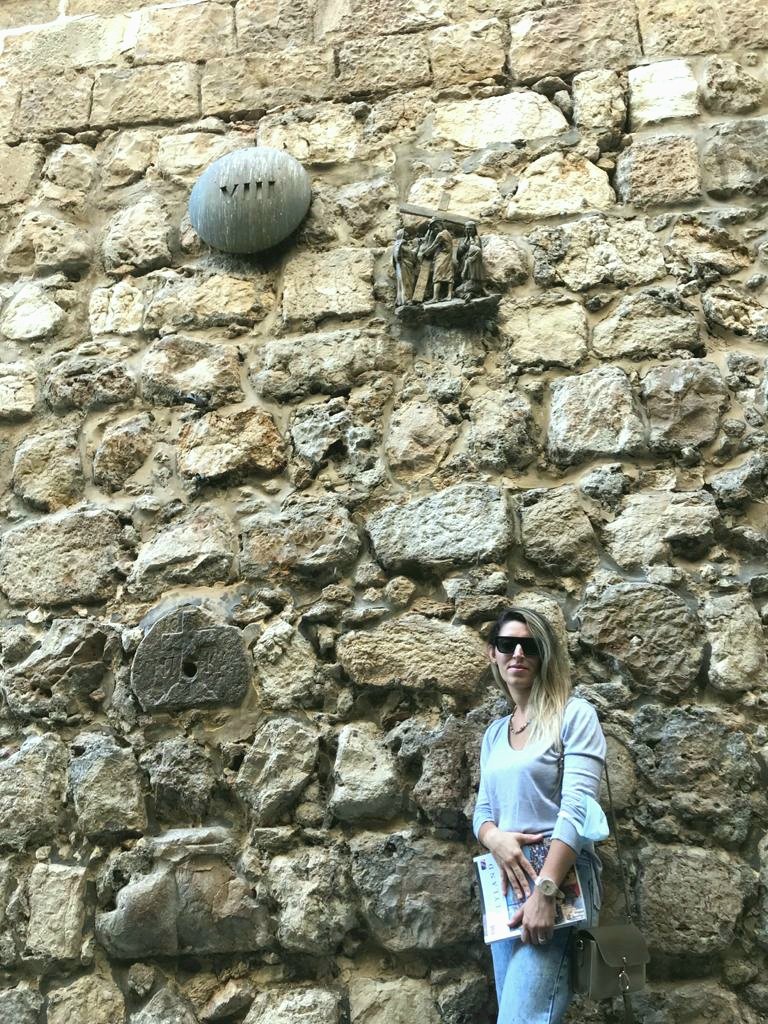
9.Station; Jesus is completely exhausted here and he falls for the third time. This stop is located at the entrance of the Church of the Holy Sepulcher.
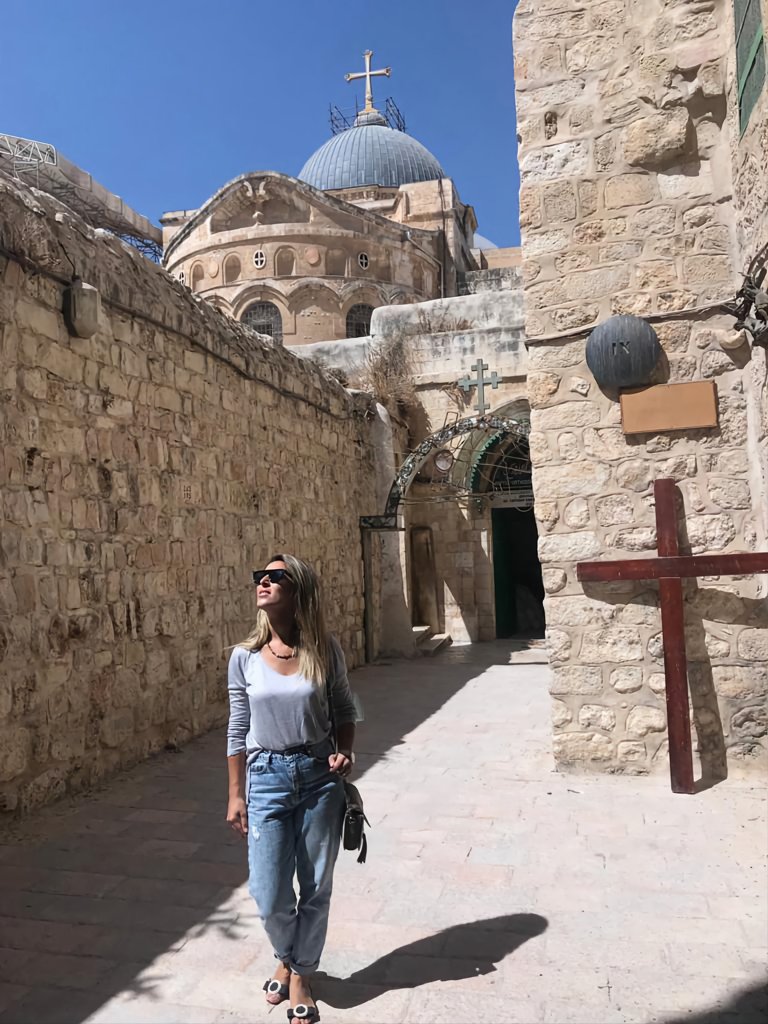
Stations 10-14 are located inside the Church of the Holy Sepulcher.
10th Station ; The bloody clothes of Jesus are taken off.
11.Station ; Jesus is nailed to the cross with his hands and feet.
12th Station; Jesus was crucified and died. There was the cross of the Prophet Jesus on the ground here, so the Greek Orthodox Chapel was built on this rock.
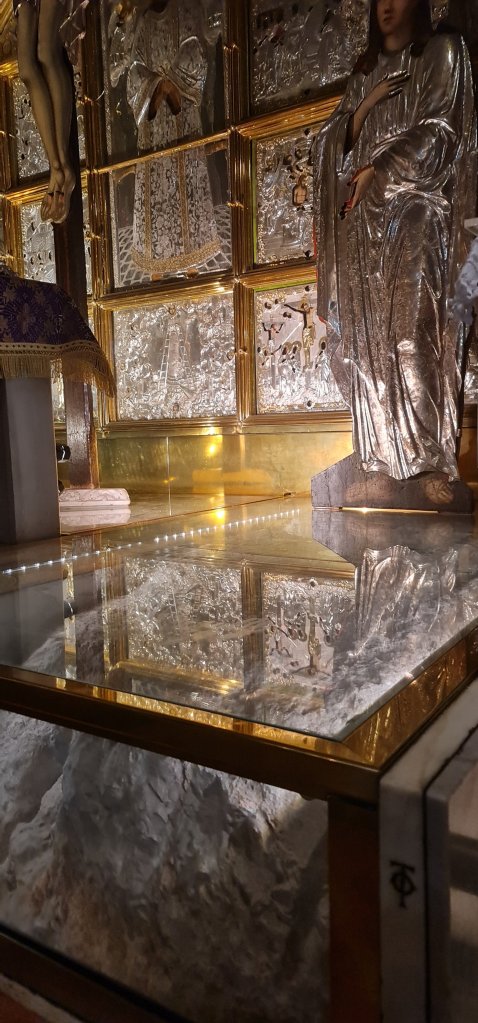
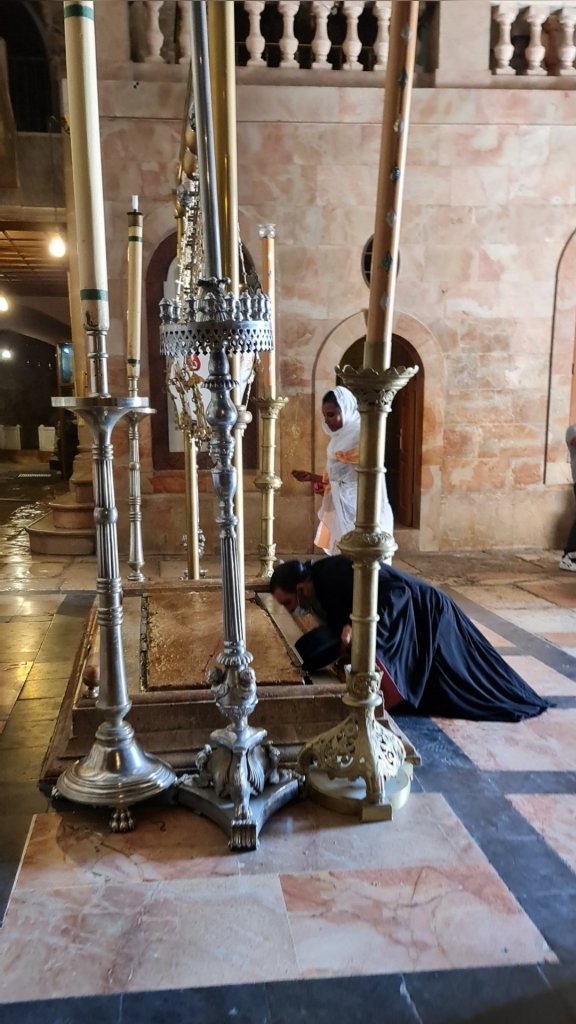
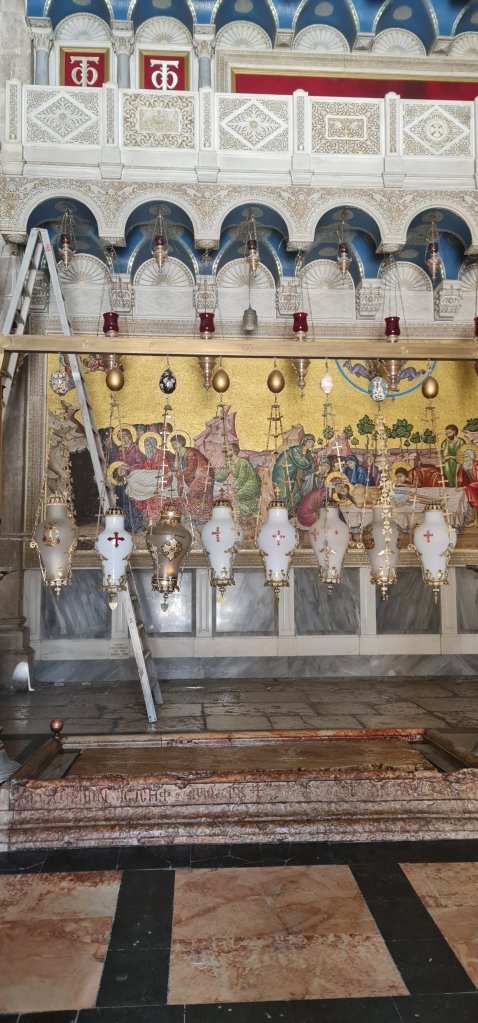
13th Station; The body of Jesus Christ is taken down from the cross here. The ‘Musalla Stone’ Mary laid after lowering the body of Jesus is vital for Christian community. His lifeless body is washed on this stone, so the stone is always kept wet. The Christian pilgrims who come here touch the stone, bend down and kiss it and even cry over it. The lamps symbolize some churches that have a right on the Church. (Greek Orthodox, Franciscan, Syriac Church, Armenian Church)
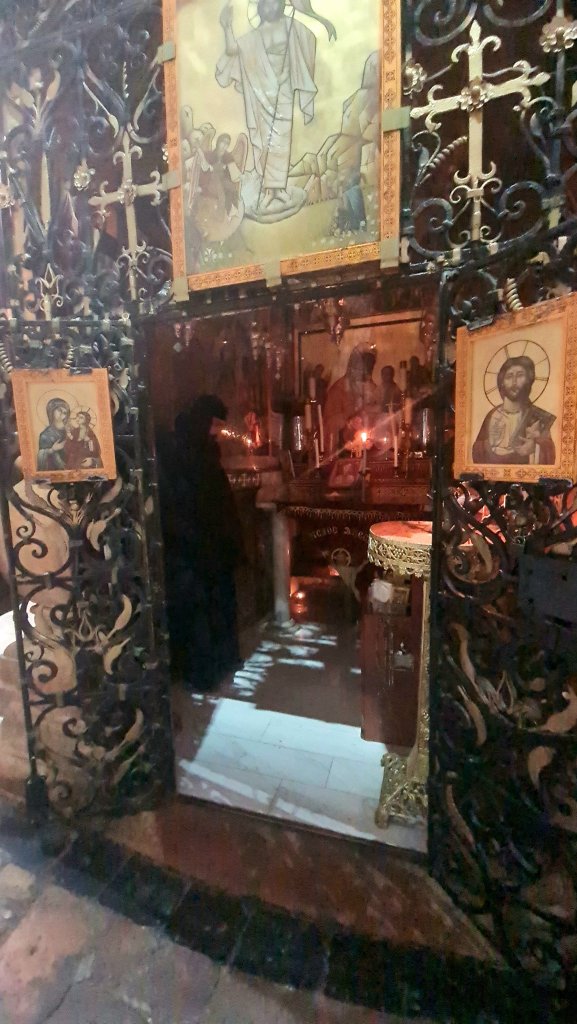
14th Station; Jesus is put in a tomb carved among the rocks at this stop. This place is surrounded by a building built by the Greeks in the 19th century. There is a small elegant room, called the ‘Angel Chapel’. According to the belief; the stone inside the room, ‘Gabriel Stone’, is part of Jesus’ tomb.
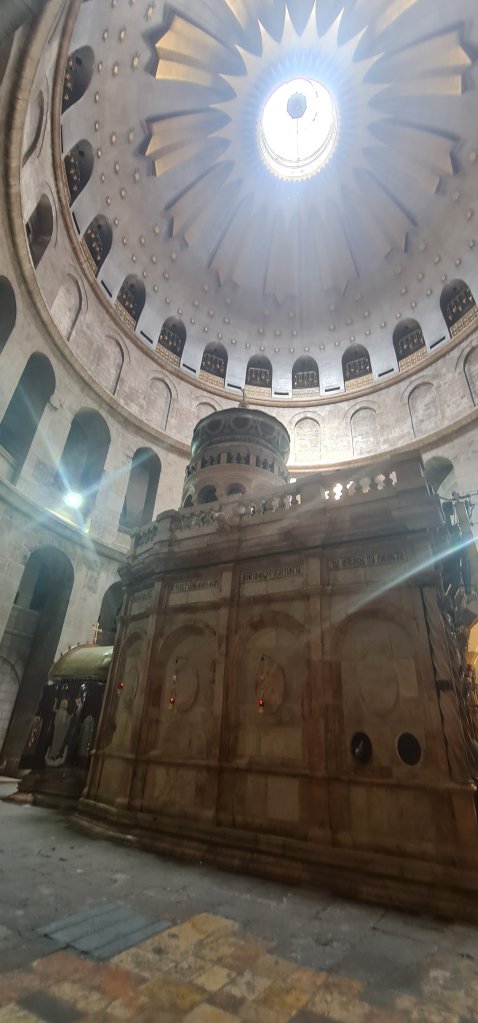
The name of this hill where Jesus was crucified is ‘Golgotha Hill’. Golgotha means skull. At that time, everyone who was sentenced to be crucified died on this hill. St. Helena built this church in memory of Jesus in the 4th century. The piece of rock on which Jesus was crucified within the church has survived until today.
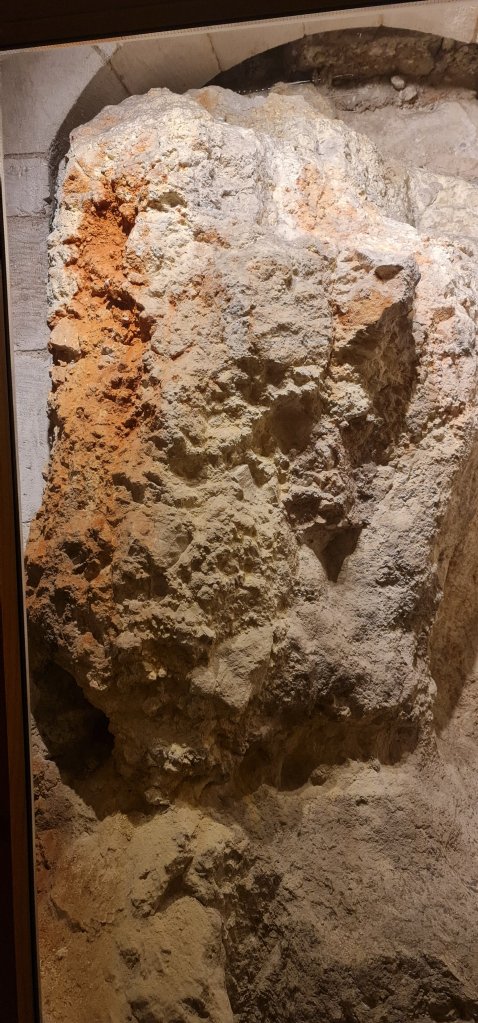
There are sections and administrative centers belonging to some different churches that have rights within the church. (such as the Center of the Greek Orthodox Patriarchate, the Catholic Church, the Syriac Orthodox Church, the Armenian Church, the Franciscan) These churches had many fights among themselves. The issue of who will hold the key to the door of this very holy church has caused great controversy. In the end, Saladin Ayyubi solved his problem by giving the key to a Muslim family. The key has passed from father to son for 850 years. Every evening they close the church and open it in the morning. Today, this authority is the responsibility of the Nusayba and Joudeh Muslim families.
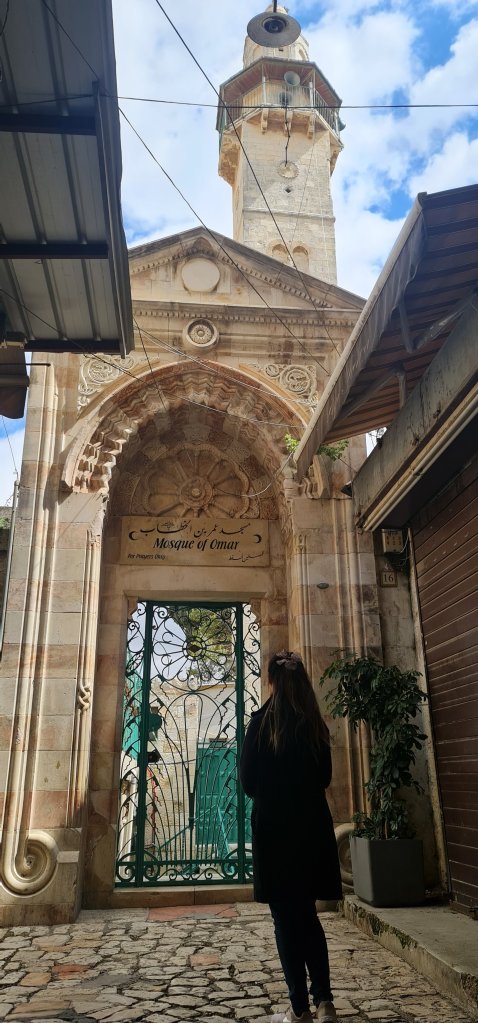
Similar to this key issue where Christians and Muslims come together, there is something else that draws my attention. Right next to the bell tower of the Church of the Holy Sepulcher, a mosque minaret catches my eye, Omar Mosque.
When Omar visited the Church of the Holy Sepulcher, he refused to pray inside of the church -as he respects to Christian Community- despite the insistence of the patriarch. He worships in an open place just next to it. Afterward, this mosque was built here, dedicated to him.
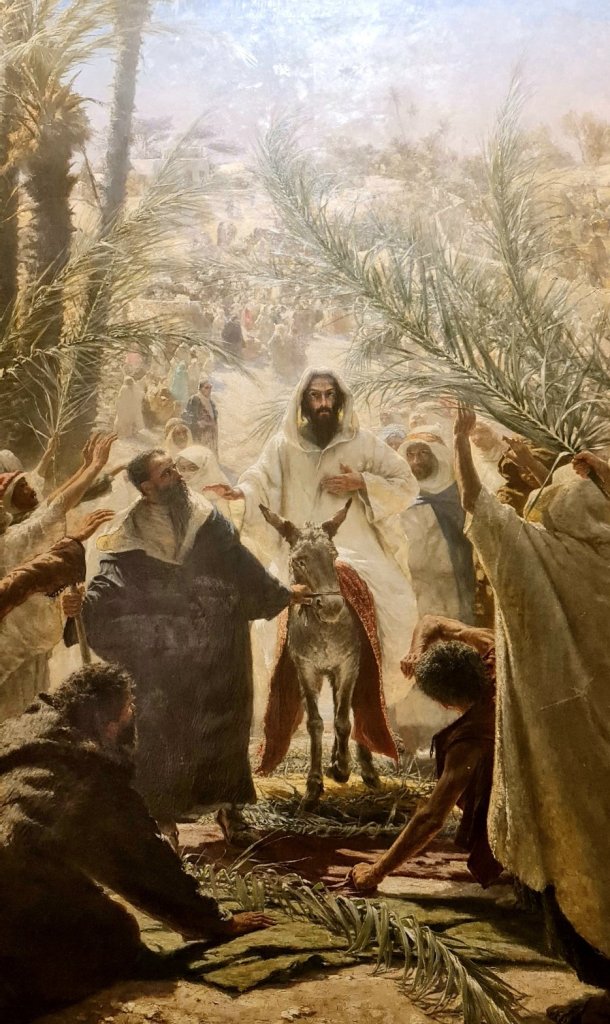
Lastly, there is a Christian tradition I would like to add, “Palm Sunday Rite”. It symbolizes the day Jesus came back to Jerusalem after 40 days spent in the desert (those who read my Jericho post will remember), The people greet him with palm branches in their hands.
As I conclude my post, let me inform you that we will be in the Jewish Section next week. We visited Al-Aqsa last week, today we were at the Via Dolorosa and Church of the Holy Sepulcher, the holiest building for Christians. Next week we will visit the Western Wall, the holiest place for Jews, and the important structures around it. I would like to remind you again that there are only meters between these holy places and witnessing all of them in the same environment and experiencing these feelings together with each religious sect is truly unique.
I hope you feel the same emotions as me on this journey.
From Jerusalem with love…
 Ortadoğunun Kalbinde
Yorum bırakın